
Unlocking the Secrets of Cannabis: A Journey into Its Health Benefits


Cannabis has often been surrounded by myths and misconceptions, but recent research has unveiled its therapeutic potential and diverse benefits for health. In this comprehensive guide, we will explore the basics of cannabis, focusing on its key components, including terpenes, cannabinoids, THC, and CBD. Whether you're a novice or an enthusiast, understanding these elements can pave the way for unlocking cannabis’s potential in improving health and wellness.
What is Cannabis?
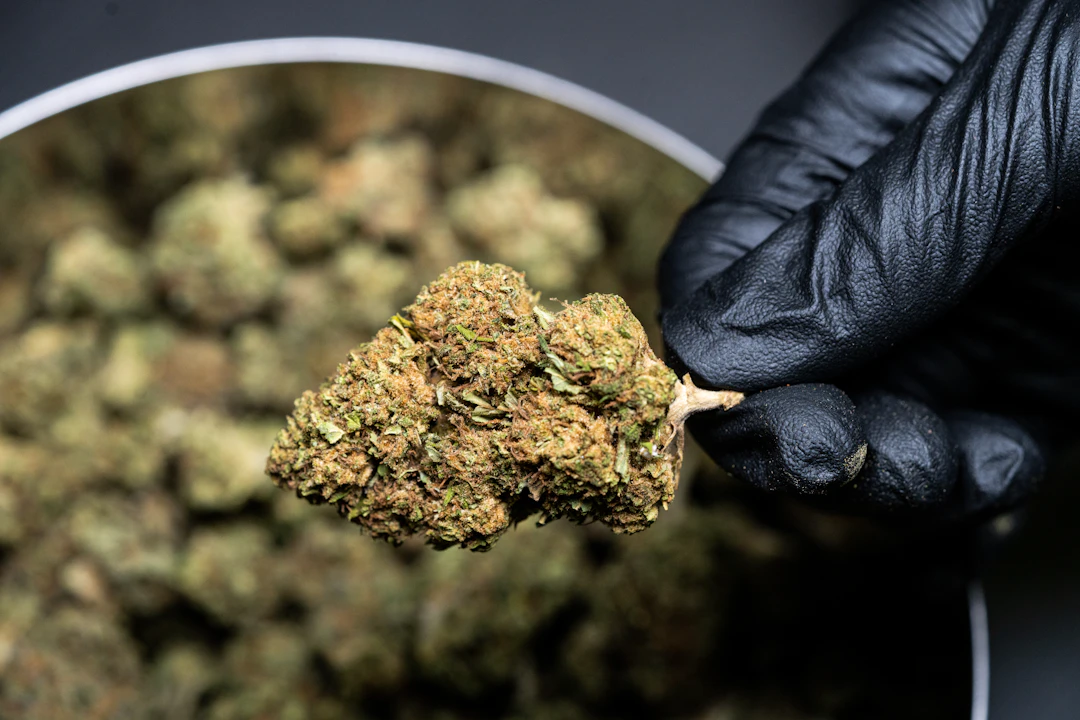
Cannabis, also known as marijuana or hemp, is a plant that has been cultivated for thousands of years for various uses. Its historical applications range from fiber production to medicinal purposes. The plant contains over a hundred compounds known as cannabinoids, which interact with the body’s endocannabinoid system to produce various effects.
The Components of Cannabis
To understand the health benefits of cannabis, it's crucial to comprehend its primary compounds, including cannabinoids and terpenes. Each of these components plays a significant role in how cannabis affects the human body.
Cannabinoids: The Active Chemicals
Cannabinoids are the chemical compounds found in cannabis that bind to cannabinoid receptors in the body. The two most prominent cannabinoids include:
THC (Tetrahydrocannabinol): THC is the psychoactive component of cannabis, responsible for the 'high' sensation. It has various therapeutic effects, arguably the most notable being its ability to reduce pain and nausea.
CBD (Cannabidiol): Unlike THC, CBD is non-psychoactive and has gained tremendous popularity for its potential health benefits. CBD is widely studied for its anti-inflammatory properties and its effectiveness in managing anxiety and stress.
Terpenes: The Aromatic Allies
Terpenes are aromatic compounds found in many plants, including cannabis. They contribute to the plant's scent and flavor and have their own health benefits. Research suggests that terpenes can enhance the effects of cannabinoids, a phenomenon known as the 'entourage effect'. Some common terpenes in cannabis include:
Myrcene: Known for its sedative effects and potential to reduce inflammation.
Limonene: Often associated with uplifting mood and combating stress.
Caryophyllene: Unique as it also acts as a cannabinoid, with potential benefits for pain relief and inflammation.
The Health Benefits of Cannabis
The potential health benefits associated with cannabis are vast and varied. Here’s an outline of some of the most well-documented advantages:
1. Pain Management
For those struggling with chronic pain, cannabis has been a game-changer. Both THC and CBD have analgesic properties that may alleviate pain from conditions such as arthritis, fibromyalgia, and multiple sclerosis. The balancing effects of CBD, combined with the pain-relieving properties of THC, make cannabis a pivotal player's in pain management therapies.
2. Mental Health Support
Mental health awareness is more critical than ever, and cannabis is emerging as a potential tool for managing various conditions. CBD has been noted for its anxiolytic effects, making it useful in treating anxiety disorders. Additionally, some individuals find THC beneficial for conditions like PTSD and depression, emphasizing the need for personalized cannabis plans.
3. Anti-Inflammatory Effects
Chronic inflammation is linked to many health issues, including heart disease and autoimmune disorders. Research has shown that both THC and CBD possess anti-inflammatory properties, making them effective treatment options for conditions such as Crohn's disease and irritable bowel syndrome (IBS).
4. Sleep Aid
If you struggle with insomnia or disrupted sleep patterns, cannabis might be able to help. The relaxing effects of THC, paired with the calming properties of various terpenes, can promote a better night's sleep. Strains higher in myrcene are often preferred by those looking for relaxation and sleep support.
5. Neuroprotective Properties
Emerging research highlights the potential neuroprotective benefits of cannabis, predominantly attributed to CBD. It has shown promise in supporting cognitive function and may play a role in treating neurodegenerative diseases such as Alzheimer's and Parkinson’s disease. Its antioxidant properties contribute to protecting brain cells from damage.
How to Use Cannabis Responsibly
Before venturing into the world of cannabis, it’s essential to understand how to use it responsibly. The method of consumption greatly influences the onset and duration of effects:
Smoking/Vaping: Offers quick onset of effects but may not be suitable for everyone due to respiratory concerns.
Edibles: Provide longer-lasting effects but can take longer to kick in, making it easy to consume too much.
Tinctures: A versatile option that allows precise dosing and can be taken sublingually for faster absorption.
Topicals: Useful for localized pain and skin conditions without the psychoactive effects.
Finding the Right Strain for You
There are countless cannabis strains available, each varying in cannabinoid and terpene profiles. When choosing a strain, consider the following:
Indica vs. Sativa: Indica strains (often higher in myrcene) are typically more relaxing, while Sativa strains (often richer in limonene) may be more energizing.
Hybrid Strains: Balance the effects of both indica and sativa, allowing for more tailored experiences.
Lab Testing: Opt for products that have been tested for potency and contaminants to ensure safety and efficacy.
Consultation with Healthcare Professionals
Before incorporating cannabis into your health routine, always consult with healthcare professionals, particularly if you have underlying health conditions or are taking other medications. They can provide valuable insight into strains, dosages, and potential interactions.
Embarking on Your Cannabis Journey
Understanding the basics of cannabis is the first step in harnessing its myriad benefits for health. From learning about cannabinoids to exploring terpenes, the journey is as exciting as it is enlightening. With increasing legalization and acceptance, the potential of cannabis for improving quality of life is coming to the forefront.
By taking the time to educate yourself about cannabis, you are empowering yourself to make informed choices that can lead to transformative health benefits. So, whether you're seeking pain relief, mental clarity, or an improved sleep experience, the world of cannabis awaits you!
Let the adventure begin as you explore the therapeutic landscape of cannabis and experience the myriad ways it can enhance your health and wellbeing.
FAQs
What is cannabis?
Cannabis, also known as marijuana or hemp, is a plant cultivated for various uses, including medicinal purposes, and contains over a hundred compounds called cannabinoids that interact with the body's endocannabinoid system.
What are the key components of cannabis?
The primary components of cannabis include cannabinoids and terpenes, each playing a significant role in how cannabis affects the human body.
What are the health benefits of cannabis?
Cannabis has a wide range of potential health benefits, including pain management, mental health support, anti-inflammatory effects, sleep aid, and neuroprotective properties.
How should cannabis be used responsibly?
Cannabis should be used responsibly by understanding the method of consumption, such as smoking, edibles, tinctures, and topicals, and being mindful of dosage and effects.
Should I consult a healthcare professional before using cannabis?
Yes, it is important to consult with healthcare professionals before incorporating cannabis into your health routine, especially if you have underlying health conditions or are on other medications.


Comments