
Elevate Your Health: Crafting a Personal Wellness Plan with Cannabis


Overview
Incorporating cannabis into your wellness plan can enhance health by targeting stress, pain, and overall quality of life. Key steps include assessing your wellness goals, understanding cannabis strains and their effects, exploring cannabinoids like THC and CBD, utilizing terpenes for tailored experiences, determining consumption methods, starting with low doses, integrating other wellness practices, and seeking professional guidance. A mindful approach can make cannabis a valuable part of your holistic wellness journey.
Contents
In a world where personal wellness is becoming increasingly prioritized, many individuals are seeking alternative methods for promoting overall health. One such avenue gaining traction is the incorporation of cannabis into personal wellness plans. Whether you're looking to reduce stress, manage pain, or improve your overall quality of life, understanding how cannabinoids and terpenes found in cannabis play a role in your wellness journey is crucial. This guide will provide strategies for creating an effective personal wellness plan that includes the mindful use of cannabis.
Understanding Cannabis: The Basics
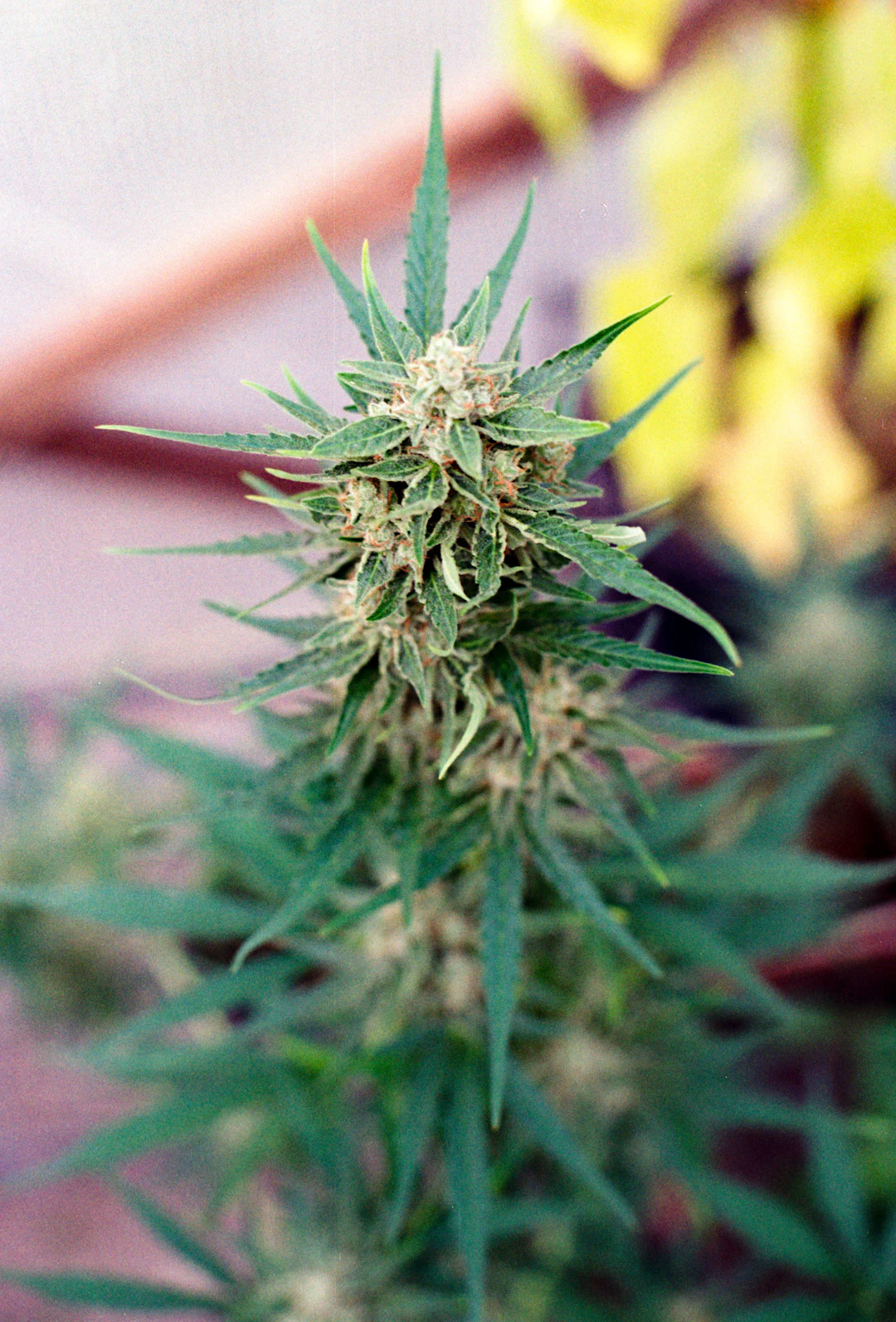
Cannabis is a complex plant that contains over 100 different compounds known as cannabinoids, each with unique effects on the human body. The most well-known cannabinoids are THC (tetrahydrocannabinol) and CBD (cannabidiol). While THC is primarily recognized for its psychoactive effects, CBD offers a myriad of therapeutic benefits without the "high" associated with cannabis.
Additionally, terpenes are aromatic molecules found in cannabis that contribute to its scent and flavor but are also associated with various therapeutic properties. By understanding the interplay between cannabinoids and terpenes, you can tailor your cannabis wellness plan to meet your specific needs.
Step 1: Assess Your Wellness Goals
Creating a personal wellness plan with cannabis starts with an honest assessment of your health and wellness goals. Consider the following questions:
What are your primary health concerns (e.g., anxiety, chronic pain, insomnia)?
Are you looking for relief from specific symptoms or a holistic improvement in well-being?
How do you currently approach wellness (e.g., medication, therapy, lifestyle changes)?
Document your thoughts in a wellness journal. This will not only clarify your intentions but also serve as a reference to track your progress as you incorporate cannabis into your routine.
Step 2: Educate Yourself on Cannabis Strains
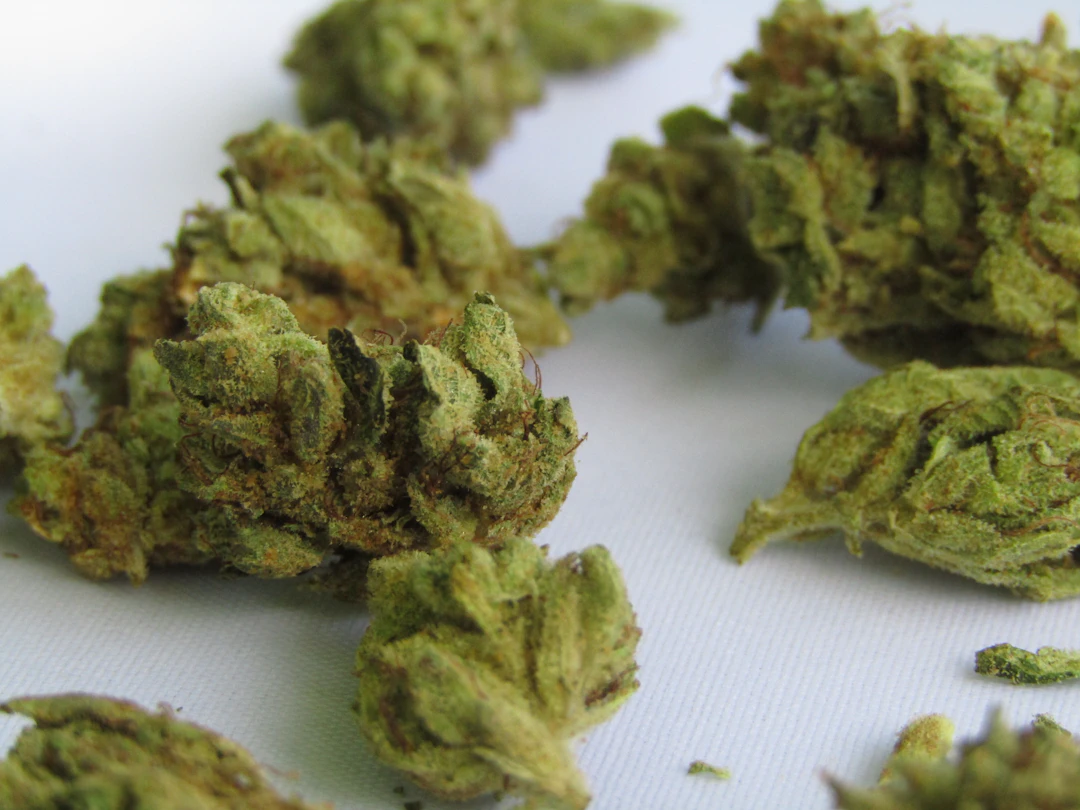
Cannabis comes in various strains that can be broadly classified into three categories: Indica, Sativa, and hybrid. Each strain can produce different effects, thus influencing your wellness experience. Here’s a brief overview:
Indica: Typically known for its relaxing effects, Indica strains may be beneficial for those dealing with anxiety or sleep issues due to their sedative properties.
Sativa: Often energizing and uplifting, Sativa strains can be great during the day for those looking to boost creativity or alleviate depression.
Hybrid: These strains combine characteristics of both Indica and Sativa, providing a balanced approach depending on the specific strain's genetics.
Understanding the differences between strains and selecting one that aligns with your wellness goals is key to maximizing the benefits of cannabis.
Step 3: Understand Cannabinoids and Their Benefits
Both THC and CBD offer unique health benefits:
THC: Known primarily for its psychoactive properties, THC has been shown to reduce pain, stimulate appetite, and alleviate nausea. It's often recommended for those dealing with chronic pain conditions.
CBD: This non-psychoactive cannabinoid is lauded for its potential to reduce anxiety, inflammation, and seizures while promoting general wellness. It works particularly well for those who desire the benefits of cannabis without the high associated with THC.
Choosing a strain based on its cannabinoid profile can significantly impact your personal wellness plan. Whether you want the calming effects of CBD or the euphoric relief provided by THC, understanding these compounds is crucial for making informed decisions.
Step 4: Explore Terpenes for Tailored Experiences
As mentioned earlier, terpenes are aromatic compounds that contribute to the scent and flavor of cannabis and can play a significant role in enhancing your wellness experience. Here are a few notable terpenes and their potential benefits:
Limonene: Often found in citrus fruits, this terpene is associated with elevated mood and stress relief.
Myrcene: Known for its sedative properties, myrcene is linked to pain relief and relaxation, making it ideal for nighttime use.
Pinene: This terpene is believed to enhance focus, memory, and alertness while also potentially reducing inflammation.
By choosing strains that feature specific terpenes, you can create a more tailored and effective wellness experience that complements your cannabinoid choices.
Step 5: Determine Your Method of Consumption
The way you consume cannabis can impact the effectiveness of your wellness plan. Here are some common methods, along with their benefits:
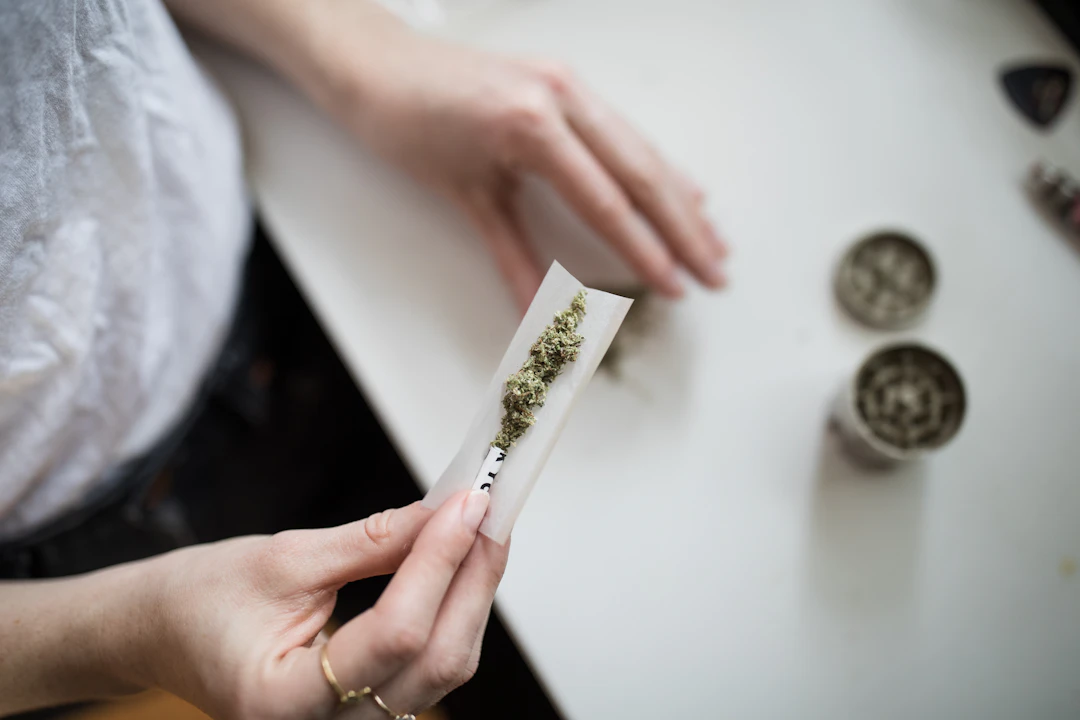
Inhalation: Vaping or smoking cannabis allows for quick onset of effects, ideal for rapid relief from sudden symptoms.
Edibles: Consuming cannabis-infused food and beverages may provide longer-lasting effects, perfect for sustained relief for conditions like chronic pain or anxiety.
Tinctures: These alcohol-based extracts can be taken sublingually for a fast-acting option without the need for inhalation.
Topicals: Cannabis-infused creams and balms offer localized relief for pain and inflammation, making them suitable for targeted areas.
Your individual preferences, lifestyle, and specific wellness goals should dictate your chosen method of consumption. Experimenting with various options will help you discover what feels best for you.
Step 6: Start with Low Doses
When integrating cannabis into your personal wellness plan, it’s essential to start with low doses, especially if you are new to cannabis or exploring new strains. Understanding your tolerance levels is crucial to avoid potential adverse effects:
Begin with low concentrations of THC and CBD.
Observe how your body reacts over time before gradually increasing the dosage.
Maintain a wellness journal to record your experiences, noting the strain, method of consumption, and effects.
As you learn how cannabis impacts you personally, you can adjust your plan to ensure that you’re receiving the most beneficial experience tailored to your needs.
Step 7: Incorporate Cannabis with Other Wellness Practices
Pairing cannabis with traditional wellness practices can enhance its benefits. Consider integrating the following practices into your plan:
Meditation: Cannabis can sometimes amplify the meditative experience, promoting relaxation and mindfulness.
Yoga: Many individuals find that cannabis helps enhance their yoga sessions by reducing tension and pain.
Healthy Nutrition: Prioritize a balanced diet to maximize the benefits of cannabis and support overall health.
Exploring complementary practices will not only enrich your personal wellness journey but also create a holistic experience focused on improving your quality of life.
Step 8: Seek Guidance from Professionals
While self-education is vital, consulting with professionals knowledgeable about cannabis is equally important. Healthcare providers, herbalists, or cannabis specialists can help you:
Understand potential interactions with existing medications.
Design a plan tailored to your specific health conditions.
Monitor your progress and adjust your approach as needed.
Engaging with qualified professionals will provide an enhanced layer of safety and support to your cannabis wellness journey.
Charting Your Path Forward
Incorporating cannabis into your personal wellness plan is an empowering way to take control of your health and well-being. By understanding the interactions of cannabinoids, terpenes, and various consumption methods, you can tailor a plan that meets your unique needs. Remember to evaluate your wellness goals regularly, educate yourself, and work closely with healthcare professionals to navigate this journey responsibly. With a thoughtful and informed approach, cannabis can be a valuable ally in your quest for holistic wellness.
FAQs
What is the purpose of creating a personal wellness plan with cannabis?
The purpose is to promote overall health by incorporating cannabis to address specific health concerns like stress, pain, or improving quality of life.
What are the main cannabinoids found in cannabis?
The main cannabinoids are THC (tetrahydrocannabinol), known for its psychoactive effects, and CBD (cannabidiol), which offers therapeutic benefits without a high.
How should I start crafting my wellness plan with cannabis?
Start by assessing your wellness goals, documenting your health concerns, and considering how you currently approach wellness.
What are the different methods of consuming cannabis?
Common methods include inhalation (vaping or smoking), edibles, tinctures, and topicals, each offering different benefits and effects.
Why is it important to consult professionals when incorporating cannabis into my wellness plan?
Consulting professionals can help you understand potential medication interactions, design a tailored plan, and monitor your progress safely.
Comments