
Understanding the Risks and Side Effects of Cannabis Use


Overview
Cannabis has diverse benefits and risks, with key compounds THC and CBD affecting users differently. THC offers pain relief but may cause anxiety, while CBD is generally safe with potential therapeutic effects. Users should be aware of short-term and long-term side effects, including dependency and mental health risks. Understanding terpenes, dosage, and consumption methods is crucial for safe use. Legal status varies, and ongoing research is vital for informed decisions about cannabis use.
Contents
Cannabis, a plant long admired for its versatile properties, continues to be an essential topic of conversation both in the medical community and among the general populace. As the cannabis industry expands and public perception shifts, it’s crucial to understand not only the potential benefits but also the associated risks and side effects tied to cannabis use.
The Basics of Cannabis
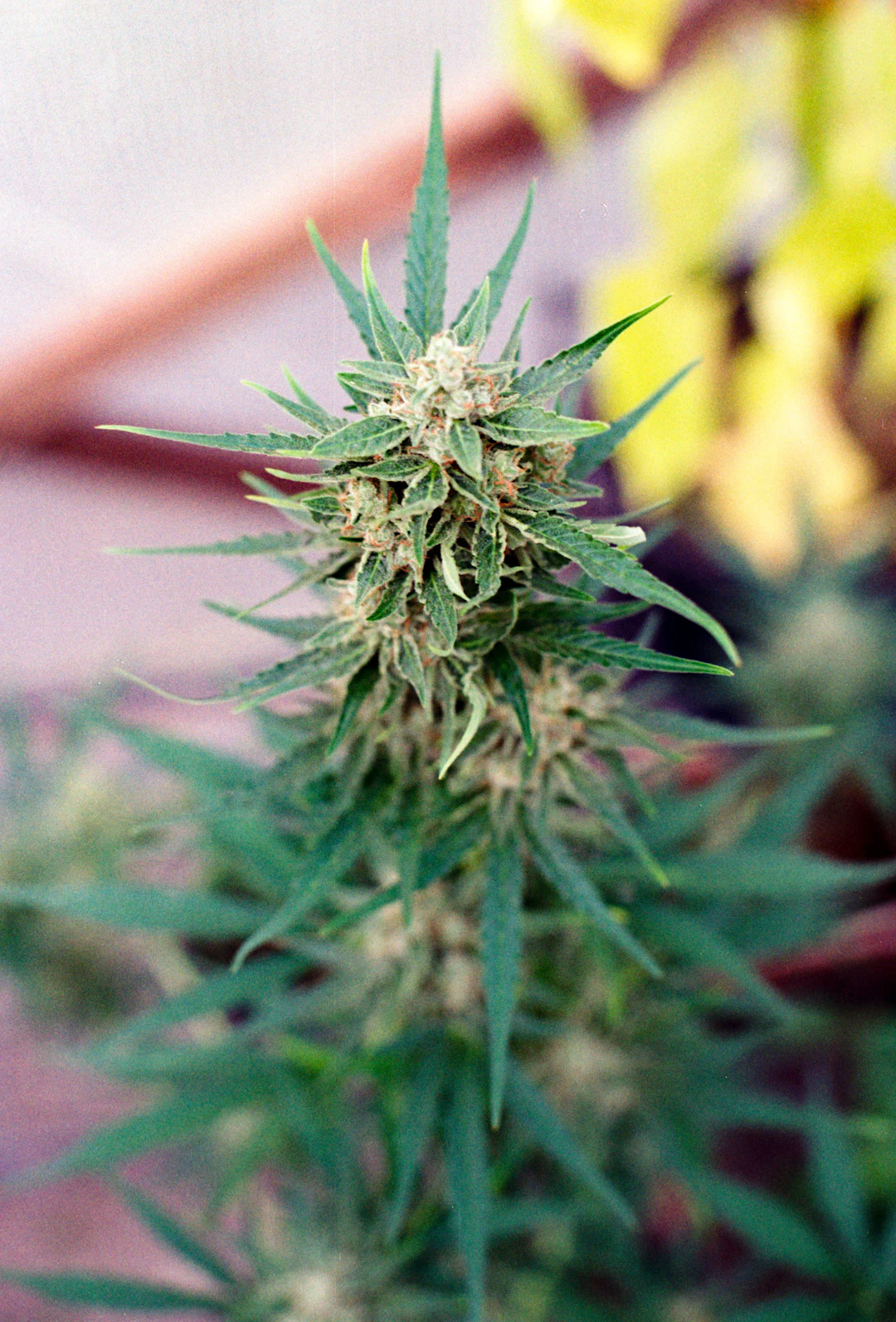
Cannabis is rich in diverse compounds known as cannabinoids, with two prominent types: THC (tetrahydrocannabinol) and CBD (cannabidiol). While THC is primarily responsible for the psychoactive effects commonly associated with cannabis, CBD has emerged as a favored compound for those seeking therapeutic benefits without a high. Additionally, cannabis contains various terpenes—aromatic compounds that contribute not only to the plant’s scent but also to its potential health benefits.
Understanding Cannabinoids
Cannabinoids interact with the human endocannabinoid system, which plays a pivotal role in regulating numerous physiological processes ranging from mood and memory to appetite and sleep. However, the effects of cannabinoids can vary significantly across individuals. The balance between THC and CBD in a specific strain can lead to different experiences for different users.
THC: The Psychoactive Compound
Potential Benefits: THC can help alleviate pain, improve appetite, and reduce nausea.
Associated Risks: On the flip side, THC can lead to anxiety, paranoia, and other cognitive impairments, particularly when consumed in large quantities.
CBD: The Non-Psychoactive Alternative
Potential Benefits: CBD has gained popularity for its anti-inflammatory, analgesic, and anti-anxiety properties.
Associated Risks: Generally considered safe, CBD can still cause side effects like dry mouth and fatigue in some users.
Exploring Common Side Effects of Cannabis
While many users experience positive effects, cannabis use can lead to a range of side effects, most notably based on the strain, dosage, and method of consumption.
Short-Term Side Effects
Increased Heart Rate: One of the more immediate effects of THC is an elevated heart rate, which can be particularly concerning for individuals with pre-existing cardiovascular conditions.
Cognitive Impairment: Short-term memory functionality may be disrupted, leading users to forget recent events or struggle with learning new information.
Paranoia and Anxiety: High doses of THC can trigger feelings of paranoia or increased anxiety, especially in new users.
Long-Term Side Effects
Dependency: Regular use of cannabis can lead to dependency issues, characterized by withdrawal symptoms when not using it.
Respiratory Issues: Smoking cannabis can result in respiratory problems over time, mirroring some issues faced by tobacco users.
Psychological Effects: Long-term use, particularly in adolescents, has been linked to the development of mental health disorders, including depression and schizophrenia.
Cannabis Use and Mental Health
There is an ongoing debate concerning cannabis use and its correlation with mental health issues. While some studies suggest therapeutic effects for conditions such as PTSD and anxiety, others raise concerns about its potential to trigger or exacerbate underlying mental health conditions.
Risk Factors to Consider
Identifying individuals at risk for negative mental health effects can be challenging. Factors such as genetics, personal history, and the age of first use can all influence outcomes. It’s often advised for those with a family history of mental health disorders to approach cannabis use with caution.
The Role of Terpenes in Cannabis
In addition to cannabinoids, terpenes play a significant role in the effects of cannabis. These compounds are responsible for various aromas—think the earthy scent of a well-cured strain or the citrus-like notes of another. But beyond their pleasant smells, terpenes possess therapeutic properties that can impact user experience.
Common Terpenes and Their Effects
Myrcene: Known for its sedative effects, myrcene is common in indica strains.
Limonene: This terpene is often associated with uplifting effects and can also aid in stress relief.
Caryophyllene: Unique for its potential to interact with cannabinoid receptors, this terpene may also aid in pain relief.
The combination of terpenes and cannabinoids can create what is known as the "entourage effect," where the various compounds work synergistically to enhance the overall effects of cannabis.
Dosage and Administration
Understanding the method of consumption and the appropriate dosage is crucial when considering cannabis use. Users can consume cannabis in various forms, including smoking, edibles, tinctures, and topicals. Each method offers distinct experiences and side effects.
Smoking vs. Edibles
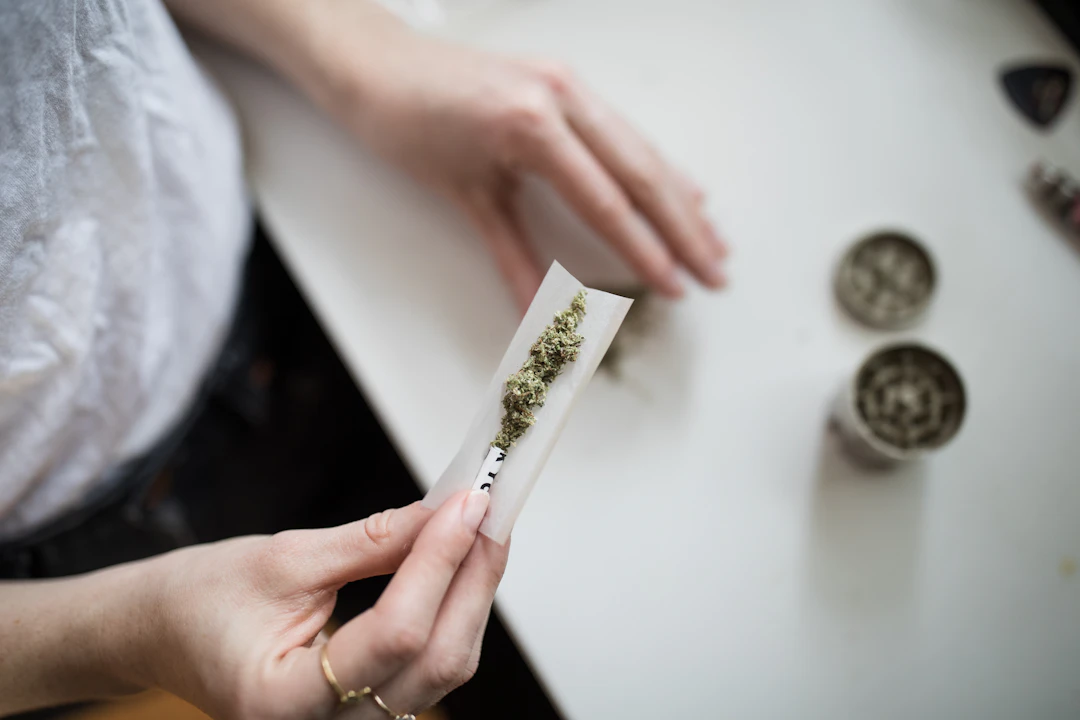
Smoking: Provides immediate effects but can contribute to respiratory issues when done excessively.
Edibles: Users may experience delayed effects, leading some to consume more than intended, which can enhance negative side effects.
It's essential for users to start with a low dose and gradually increase it to gauge their tolerance and mitigate unwanted side effects.
Personal Stories and Experiences
The conversation around cannabis is further illuminated through personal narratives. Real stories of transformative experiences highlight both the positive attributes and potential pitfalls of cannabis use. User insights can significantly contribute to the broader understanding of cannabis and its effects.
Navigating the Legal Landscape
The legal status of cannabis varies widely across regions. Understanding local regulations is essential for safe and lawful use. Furthermore, it’s crucial to differentiate between medical and recreational use, as the rules governing consumption, possession limits, and dispensaries can diverge significantly.
The Future of Cannabis Research
As the stigma around cannabis fades, research continues to expand, unveiling new potentials and risks associated with cannabis use. Understanding the implications of emerging studies helps both consumers and healthcare providers make informed choices regarding the use of cannabis for wellness. To delve deeper into the ongoing research, check out The Future Of Cannabis Research.
Final Thoughts on Cannabis Safety
In summary, while cannabis offers numerous benefits and therapeutic potentials, it is accompanied by risks that users must navigate carefully. The effects of cannabinoids and terpenes can significantly vary by individual, requiring personal research and mindful consumption practices. The key to safely integrating cannabis into one’s routine lies in education, understanding personal health conditions, legal regulations, and dosage moderation. Knowledge is power, and as we advance in our understanding of cannabis, we can make decisions that best serve our health and well-being.
FAQs
What are the primary compounds in cannabis?
The primary compounds in cannabis are cannabinoids, with two prominent types being THC (tetrahydrocannabinol) and CBD (cannabidiol). THC is known for its psychoactive effects, while CBD is favored for therapeutic benefits without a high.
What are the common short-term side effects of cannabis use?
Common short-term side effects of cannabis use include increased heart rate, cognitive impairment, and feelings of paranoia and anxiety, especially at high doses.
How can cannabis use affect mental health?
Cannabis use can have varying effects on mental health. While some studies suggest it may help with conditions like PTSD and anxiety, others indicate it could trigger or exacerbate underlying mental health disorders.
What is the 'entourage effect' in cannabis?
The 'entourage effect' refers to how the combination of cannabinoids and terpenes in cannabis work synergistically to enhance the overall effects of the plant.
What should users consider when determining cannabis dosage?
Users should consider starting with a low dose and gradually increasing it based on their tolerance. The method of consumption (such as smoking versus edibles) also influences effects and side effects.

Я заметил такую тему. Сейчас почти у всех казино сайты выглядят просто конфетка 😄 Бонусы огромные, акции, всё красиво расписано. Но когда начинаешь читать рейтинг казино то уже не так радужно. У кого-то с выводом были моменты, у кого-то бонусы оказались с кучей условий. Я теперь особо не ведусь на красивые обещания, сначала смотрю что люди пишут. Лучше потратить 10 минут на проверку, чем потом сидеть и разбираться.