
The Effects of Cannabis on Mental Health: A Comprehensive Review

Overview
Cannabis has gained recognition for its potential mental health benefits, particularly through its key compounds THC and CBD. THC can enhance mood and relieve pain but may also cause anxiety and paranoia in some users. In contrast, CBD offers calming effects without psychoactivity, potentially alleviating anxiety, depression, and PTSD symptoms. The impact of cannabis on mental health varies by individual due to factors like mental health history and genetics. As research continues, safe usage practices, such as starting with low doses and consulting professionals, are essential for those considering cannabis for mental wellness.
Contents
The conversation surrounding cannabis has transformed dramatically over the past few decades. Once stigmatized and shrouded in mystery, cannabis is now heralded for its medicinal properties and complex compounds. As more individuals turn to this plant for relief from various mental health disorders, understanding how cannabis interacts with our mental well-being becomes paramount. In this comprehensive review, we will explore the effects of cannabis on mental health, focusing on key components such as cannabinoids, terpenes, THC, and CBD.
The Growing Interest in Cannabis for Mental Health
With an increasing number of states legalizing cannabis for medicinal and recreational use, researchers are delving into its impact on mental health. The two primary cannabinoids that receive attention are THC (tetrahydrocannabinol) and CBD (cannabidiol). Each of these cannabinoids interacts differently with our body’s endocannabinoid system, influencing various psychological processes.
Understanding Cannabinoids and Their Role
Cannabinoids are the chemical compounds found in cannabis that bind to cannabinoid receptors in our brain and body. The most well-known cannabinoids are THC and CBD. Their interactions can have drastically different effects on mental health:
THC: Known for its psychoactive effects, THC can enhance mood and stimulate appetite, but it can also induce anxiety and paranoia in some individuals, especially in high doses.
CBD: Unlike THC, CBD does not have psychoactive effects. It is often celebrated for its potential calming effects, which may benefit individuals experiencing anxiety, depression, or post-traumatic stress disorder (PTSD).
How THC Affects Mental Health
THC is the primary psychoactive component of cannabis and is responsible for the "high" sensation often associated with its use. Research indicates that THC can affect mental health in a variety of ways:
Positive Effects of THC
For patients suffering from debilitating conditions, THC can provide significant relief:
Enhanced Mood: Many users report an increase in euphoria and overall happiness after consuming THC, making it a potential temporary solution for mood disorders.
Pain Relief: Chronic pain is often intertwined with mental health conditions. By alleviating pain, THC can indirectly improve one’s mood.
Improved Sleep: THC can also assist those suffering from insomnia, as it may help users fall asleep faster and stay asleep longer.
Negative Effects of THC
However, it's important to note that THC can also exacerbate certain mental health issues:
Anxiety and Paranoia: Some individuals may experience heightened anxiety or paranoid feelings during or after consumption, particularly if they are predisposed to anxiety disorders.
Psychosis Risks: There is a correlation between high THC use and the onset of psychotic disorders in vulnerable individuals, suggesting that more research is needed to understand this relationship fully.
The Calming Effect of CBD
On the opposite spectrum is CBD, heralded for its therapeutic properties without the psychoactive effects of THC. Here’s how CBD appears to positively influence mental health:
The Benefits of CBD
Anxiety Reduction: Studies indicate that CBD can reduce anxiety by interacting with serotonin receptors in the brain. It may be particularly useful for individuals with generalized anxiety or social anxiety disorder.
Depression Relief: Some studies suggest that CBD has antidepressant-like effects, which may be linked to its ability to regulate mood-related neurotransmitters.
Support for PTSD: Research is ongoing into CBD’s effectiveness for reducing symptoms of PTSD, including flashbacks and anxiety.
The Safety Profile of CBD
Unlike THC, CBD is generally considered safe, with few reported side effects. This makes it an attractive option for mental health treatment. However, users must ensure they are purchasing their products from reputable sources to avoid possible contaminants or inconsistencies in dosage.
The Role of Terpenes in Cannabis
Beyond cannabinoids, terpenes significantly contribute to cannabis’s overall effects. Terpenes are aromatic compounds found in many plants, including cannabis, and they play a vital role in shaping the plant's therapeutic effects. Research suggests that terpenes may enhance or modify how cannabinoids affect the body, leading to what is commonly known as the "entourage effect."
Common Terpenes and Their Potential Effects
Limonene: Often associated with citrus, limonene is thought to elevate mood and reduce stress.
Myrcene: This terpene may promote relaxation and has sedative effects, which could benefit those with insomnia.
Pinene: Known for its pine-like scent, pinene may counteract some of THC’s negative effects, such as memory impairment and anxiety.
The Intersection of Cannabis, Mental Health, and Individual Differences
It’s imperative to understand that individual responses to cannabis can vary, influenced by factors such as:
Your Mental Health History: Individuals with a history of mental health disorders may react differently to cannabis, particularly THC.
Genetics: Our genetic makeup influences how we process cannabinoids, with some individuals experiencing heightened sensitivity to THC or CBD.
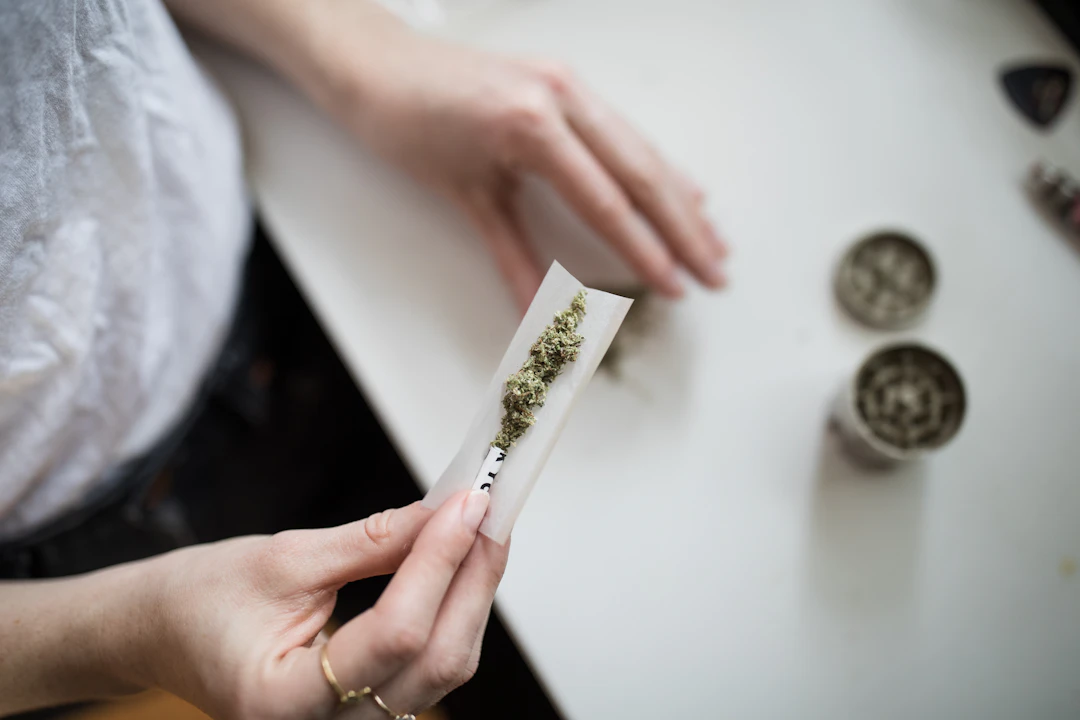
Dosage and Delivery Method: The method of consumption (smoking, oils, edibles) can affect how cannabis interacts with your mental health.
Practical Tips for Using Cannabis for Mental Health
If you’re considering cannabis as a treatment option for mental health, here are some practical tips to ensure a safe and beneficial experience:
Start Low and Go Slow: Begin with a low dose and gradually increase, especially with THC-rich products, to avoid unwanted side effects.
Consult with a Professional: Speak with a healthcare provider experienced in cannabis use to tailor treatment to your specific needs.
Monitor Effects: Keep a journal of your experiences to identify which strains, dosages, and methods work best for you.
The Future of Cannabis Research in Mental Health
As legalization spreads and acceptance grows, cannabis research continues to expand. Future studies will delve deeper into the relationship between cannabis, cannabinoids, and mental health. Areas ripe for exploration include:
The Long-term Effects of Regular Use: Understanding the potential risks and benefits of regular cannabis consumption on mental health.
Comparative Studies: Research that compares the effectiveness of cannabis with traditional psychiatric medications.
Understanding Unique Patient Needs: Developing tailored treatment plans based on individual genetic and psychological profiles.
Looking Ahead: Cannabis as a Tool for Mental Wellness
Cannabis holds promise for many seeking relief from mental health challenges, but it is not a one-size-fits-all remedy. As you navigate the landscape of cannabis for mental health, remember that everyone’s journey is different. Its efficacy largely depends on individual circumstances, including your mental health background, the type of cannabis consumed, and even your body chemistry.
Always prioritize safety and mindfulness in your approach, and stay informed about emerging research to make the best choices for your mental well-being. In the ever-evolving conversation around cannabis, knowledge is power, and with respect and understanding, cannabis can potentially become a valuable ally in the pursuit of mental wellness.
FAQs
What are the main cannabinoids discussed in relation to mental health?
The main cannabinoids discussed are THC (tetrahydrocannabinol) and CBD (cannabidiol), each having different effects on mental health.
How does THC affect mental health?
THC can enhance mood and provide pain relief but may also induce anxiety and paranoia in some individuals.
What are the potential benefits of CBD for mental health?
CBD may help reduce anxiety, relieve symptoms of depression, and support those with PTSD, without the psychoactive effects of THC.
What role do terpenes play in cannabis?
Terpenes are aromatic compounds that contribute to cannabis's therapeutic effects and may enhance or modify how cannabinoids affect the body.
What practical tips can help when using cannabis for mental health?
Start with a low dose, consult a healthcare provider, and monitor your effects to find what works best for you.
Comments