
Embracing Compassion: Exploring the Role of Cannabis in Palliative Care


Overview
Palliative care enhances the quality of life for patients with serious illnesses, and cannabis, particularly its cannabinoids like THC and CBD, can provide significant symptom relief. Key benefits include pain management, appetite stimulation, reduced nausea, and relief from anxiety and depression. Terpenes in cannabis also play a crucial role in enhancing its effects. Choosing the right strain and consulting healthcare providers are essential for effective use. As research continues, cannabis is increasingly recognized as a valuable tool in compassionate palliative care.
Contents
Introduction to Palliative Care and Cannabis
Palliative care is a holistic approach aimed at enhancing the quality of life for patients facing serious illnesses. This field ensures that individuals experience relief from pain and other distressing symptoms, while also addressing their emotional, social, and spiritual needs. A growing body of research suggests that cannabis can be an invaluable ally in palliative care, providing symptom relief and improving the overall well-being of patients. This article delves into the various aspects of cannabis use in palliative care, including the role of cannabinoids, terpenes, THC, and CBD.
The Science Behind Cannabis
Cannabis contains over a hundred different chemical compounds known as cannabinoids. These compounds interact with the body's endocannabinoid system (ECS), which plays a vital role in regulating various physiological processes such as pain, mood, and immune response. Two of the most studied cannabinoids are THC (tetrahydrocannabinol) and CBD (cannabidiol). Understanding how these cannabinoids work is essential for exploring their potential benefits in palliative care.
Understanding THC and CBD
THC: The psychoactive component of cannabis, THC is known for its ability to alleviate pain, stimulate appetite, and induce a sense of euphoria. For patients undergoing palliative treatment, the mood-enhancing effects can significantly improve quality of life.
CBD: Unlike THC, CBD does not have psychoactive effects, making it an attractive option for patients seeking relief without the high. CBD has been shown to reduce anxiety, inflammation, and pain, making it a promising candidate in palliative care.
The Benefits of Cannabis in Palliative Care
Integrating cannabis into palliative care can yield various benefits, helping to provide relief from debilitating symptoms caused by serious illnesses. Below are some of the most significant advantages:
1. Pain Management
Chronic pain is one of the most common challenges faced by patients in palliative care. The analgesic properties of THC have been widely recognized in medical studies. By binding to cannabinoid receptors, THC can help modulate pain perception, allowing patients to find relief from both acute and chronic pain conditions.
2. Appetite Stimulation
Many patients undergoing treatment for serious illnesses experience a decrease in appetite, leading to weight loss and malnutrition. The appetite-stimulating effects of THC can be particularly beneficial, helping patients to regain interest in food and maintain nutritional intake, crucial for their overall health.
3. Reduced Nausea and Vomiting
Nausea and vomiting are common side effects of many medical treatments, such as chemotherapy. Cannabis has antiemetic properties that may help alleviate these symptoms. Both THC and CBD have shown promise in reducing chemotherapy-induced nausea, providing vital support for cancer patients in palliative care.
4. Anxiety and Depression Relief
Facing a life-threatening illness can lead to increased levels of anxiety and depression. Studies have demonstrated that CBD possesses anxiolytic properties, providing patients with a sense of calm and improving overall mental well-being. Integrating cannabis as part of a holistic approach can foster emotional stability in patients.
5. Improved Sleep Quality
Pain, anxiety, and other symptoms can interfere with sleep quality for patients in palliative care. Cannabis may help improve sleep patterns due to its sedative effects, particularly with THC. By promoting a more restful sleep, patients can experience enhanced recovery and better quality of life.
Terpenes: The Unsung Heroes of Cannabis
Terpenes, the aromatic compounds found in cannabis and other plants, play a significant role in enhancing the therapeutic effects of cannabinoids. Each strain of cannabis contains a unique profile of terpenes, which can influence not only the flavor and aroma but also the overall effects experienced by the user. Understanding how terpenes work can further enhance the use of cannabis in palliative care.
Common Terpenes and Their Benefits
Myrcene: Known for its sedative effects, myrcene can help improve sleep quality and relaxation.
Caryophyllene: This terpene has anti-inflammatory properties and may help alleviate pain, making it an excellent choice for patients suffering from chronic pain.
Limonene: With its uplifting scent, limonene has mood-enhancing properties and can help combat anxiety and depression.
Pinene: Known for its potential to improve focus and memory, pinene may help combat the cognitive side effects of certain medical treatments.
Choosing the Right Cannabis Strain
With the increasing acceptance of cannabis in the medical community, patients and caregivers face the challenge of selecting the right strains to meet specific needs. Each strain contains varying levels of THC, CBD, and terpenes, influencing the overall effects. Here are some tips for choosing the best strains for palliative care:
1. Consult with Healthcare Providers
Before incorporating cannabis into a palliative care plan, it is vital to consult with healthcare professionals knowledgeable about cannabis therapies. They can help tailor the treatment plan based on individual symptoms and medical history.
2. Start Low and Go Slow
For first-time users, it's advisable to start with low doses of cannabis and gradually increase until desired effects are achieved. This approach helps minimize adverse effects while finding the right balance.
3. Consider Different Consumption Methods
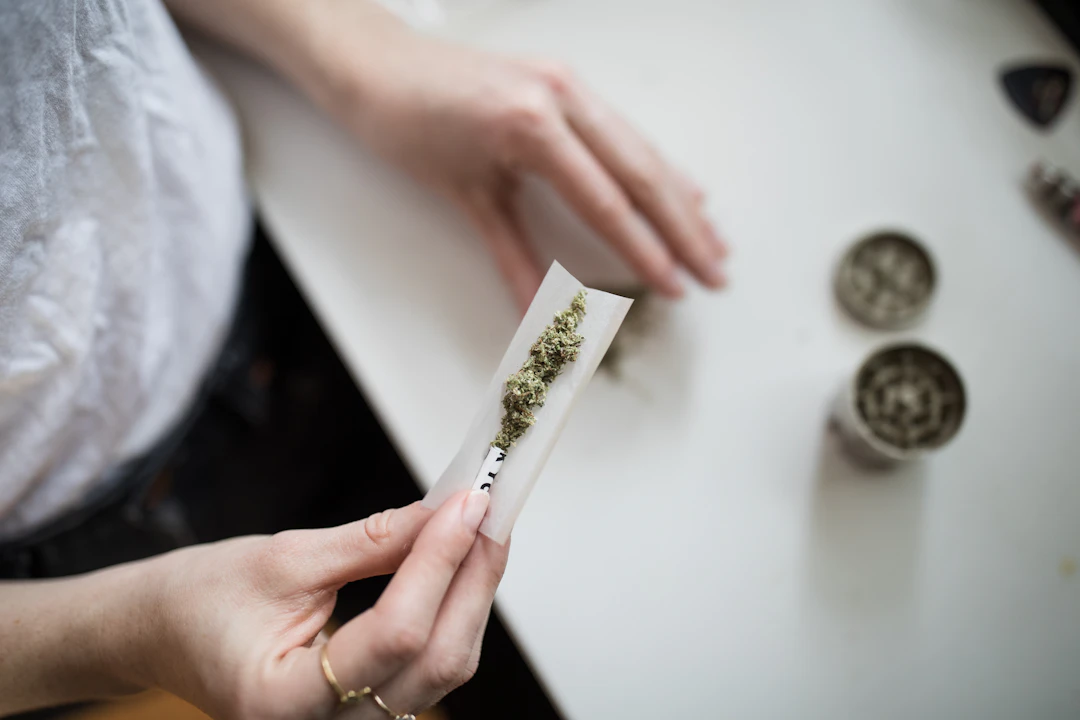
Cannabis can be consumed in various forms, including oils, edibles, tinctures, and vaporizers. Different methods may yield different onset times and duration of effects, so exploring various formulations can help identify what works best for each patient.
4. Varietal Exploration
Encourage patients and caregivers to explore both indica and sativa strains, as each offers unique effects. Indica strains tend to provide more calming effects, while sativa strains can provide energy and creativity. Hybrid strains can offer a combination, enhancing individualized relief.
Addressing Concerns and Myths
As cannabis gains traction in palliative care, there are common myths and concerns that arise. Here we address some of them:
Is Cannabis Addictive?
Research indicates that while cannabis use can lead to dependency in some individuals, the risk of addiction is lower than that associated with many prescription opioids used for pain management. Appropriate use under medical supervision minimizes the risk of addiction.
Will Cannabis Interact with Other Medications?
It's essential for patients to disclose all medications they are taking to their healthcare providers before introducing cannabis. While some may experience interactions, many patients find that cannabis can enhance their overall treatment without adverse effects when appropriately managed.
Is Cannabis Effective for Everyone?
While cannabis has shown promise for many patients, it is not universally effective for all individuals. Personal responses can vary widely, making it important to assess individual patient needs and preferences.
The Future of Cannabis in Palliative Care
The integration of cannabis in palliative care is still evolving, with ongoing research shedding light on its potential benefits. As attitudes toward cannabis continue to shift, the medical community is increasingly recognizing the valuable role it can play in enhancing patient care.
Ongoing studies aim to gather more evidence regarding dosing, effectiveness, and the long-term benefits of cannabis in palliative care. As we learn more, healthcare providers can make informed recommendations, leading to better patient outcomes and quality of life.
A New Era of Compassionate Care
Integrating cannabis into palliative care represents a compassionate approach to managing symptoms and enhancing the overall well-being of patients. With careful consideration of cannabinoids, terpenes, and individualized treatment plans, healthcare professionals can open new pathways for relief in patients facing serious illnesses.
As we continue to explore the multifaceted benefits of cannabis in palliative care, we not only acknowledge its potential as a therapeutic agent but also reaffirm our commitment to providing compassionate and comprehensive care. Together, we can create a brighter, more fulfilling journey for patients navigating the complexities of serious illness.
FAQs
What is palliative care and how does cannabis fit into it?
Palliative care is a holistic approach aimed at enhancing the quality of life for patients with serious illnesses by providing relief from pain and distressing symptoms while addressing their emotional, social, and spiritual needs. Cannabis can help in palliative care by providing symptom relief and improving overall well-being.
What are the main cannabinoids in cannabis relevant to palliative care?
The two most studied cannabinoids in the context of palliative care are THC (tetrahydrocannabinol), which is psychoactive and helps alleviate pain and stimulate appetite, and CBD (cannabidiol), which is non-psychoactive and can reduce anxiety, inflammation, and pain.
What are the benefits of using cannabis in palliative care?
Cannabis can provide several benefits in palliative care, including pain management, increased appetite, reduced nausea and vomiting, relief from anxiety and depression, and improved sleep quality.
How should patients choose the right cannabis strain for their needs?
Patients should consult healthcare providers knowledgeable about cannabis, start with low doses and gradually increase, consider different consumption methods, and explore various strains, including indica and sativa, to find what works best for them.
Are there any concerns or myths about cannabis use in palliative care?
Common concerns include the potential for addiction, interactions with other medications, and the effectiveness for everyone. While cannabis can lead to dependency in some, the risk is lower than with many opioids. It is essential to disclose all medications to healthcare providers, and effectiveness can vary by individual.
Comments