
The Legal Landscape of Cannabis and Health: What You Should Know


Overview
The blog discusses the evolving landscape of cannabis, focusing on its health benefits, legal complexities, and therapeutic applications. It explores key compounds like THC and CBD, the varying state and federal laws, and the importance of informed use. While cannabis shows promise for pain relief, anxiety reduction, and other health benefits, it also carries risks such as addiction and cognitive effects. Responsible use and consultation with healthcare professionals are recommended for those considering cannabis for health.
Contents
The conversation surrounding Cannabis and health has evolved dramatically over the past few decades. Once stigmatized and only available in dark alleyways, cannabis is now emerging into the light of medical research, therapeutic use, and legal acceptance across numerous states in the U.S. The landscape is not just about recreational use but significantly focuses on health benefits and potential therapeutic applications. This article will explore the legal aspects of cannabis, including key terms such as Terpenes, Cannabinoids, THC, and CBD, providing clarity on what you should know as a consumer or patient.
The Basics of Cannabis
Cannabis refers to a family of flowering plants that includes three main species: Cannabis sativa, Cannabis indica, and Cannabis ruderalis. Within these plants, various compounds interact with our bodies to produce effects related to health and wellness. Understanding the distinction between these compounds is essential:
THC (Tetrahydrocannabinol): This is the psychoactive component known for producing a "high" sensation. It's often associated with euphoric experiences, but it also holds potential therapeutic properties.
CBD (Cannabidiol): Unlike THC, CBD does not produce psychoactive effects. It has gained significant attention for its potential therapeutic benefits, particularly in pain management, reducing anxiety, and anti-inflammatory properties.
Terpenes: These are aromatic compounds found in cannabis and other plants. They contribute to the flavor and fragrance but also interact with cannabinoids to produce diverse therapeutic effects, a phenomenon known as the "entourage effect."
Cannabinoids: This broader category refers to both THC and CBD, along with other compounds like CBG (Cannabigerol) and CBN (Cannabinol). Each cannabinoid affects the body differently based on its interaction with the endocannabinoid system.
The Evolving Legal Framework
The legal landscape of cannabis is as complex as the plant itself. In the U.S., cannabis legality varies from state to state and is influenced by local governmental policies, public opinion, and ongoing research into its health benefits. Here are some factors to consider:
State vs. Federal Legislation
While many states have legalized cannabis for medical and recreational use, it remains classified as a Schedule I substance under federal law. This dichotomy has significant implications:
Medical Use: More than 30 states have legalized medical cannabis. Patients often seek cannabis with specific Cannabinoids tailored to their health conditions.
Recreational Use: As of now, several states allow recreational cannabis use for adults, further complicating federal legality. States like California, Colorado, and Michigan have become pioneers in this respect.
Banking Issues: Businesses involved in the cannabis industry often face challenges accessing banking services due to the conflict between state and federal law.
Research and Advocacy
Ongoing research is crucial in legitimizing cannabis usage, revealing its therapeutic potential, and influencing legislative changes. Many advocates argue for more comprehensive studies to help inform both consumers and lawmakers. Resources such as Navigating The Legal Landscape Of Cannabis For Health provide insights into ongoing legal developments.
Health Benefits and Risks
When engaging with cannabis, whether for recreational or medical purposes, it’s essential to weigh the benefits against potential risks. The science surrounding cannabis is multifaceted:
Potential Health Benefits
Research has uncovered numerous potential benefits of cannabis:
Pain Relief: Both THC and CBD have shown promise in managing chronic pain, making cannabis a viable option for patients who have not found relief through traditional methods.
Stress and Anxiety Reduction: Many users report reduced feelings of anxiety when consuming cannabis products high in CBD.
Neurological Benefits: Some studies indicate that CBD may help manage conditions such as epilepsy and multiple sclerosis.
Digestive Health: Cannabis has been linked to relief from symptoms like nausea and vomiting, particularly in patients undergoing chemotherapy.
Understanding the Risks
Despite its benefits, cannabis use can come with potential risks, particularly if misused:
Addiction: Long-term use can lead to dependency, particularly among predisposed individuals.
Cognitive Effects: High doses of THC can impair cognitive function and memory, especially in younger consumers.
Interference with Medications: Cannabis may interact adversely with certain prescription medications, so it’s essential to consult healthcare professionals when using cannabis alongside other treatments.
Navigating Cannabis Use
If you are considering integrating cannabis into your health and wellness routine, it is vital to take informed steps. Here are some guidelines:
Consult Professionals
Always consult with a healthcare provider savvy in cannabis use to determine the best approach tailored to your health needs. Resources like Exploring The Therapeutic Potential Of Cannabis In Health And Wellness can help guide this conversation.
Understand the Product Types
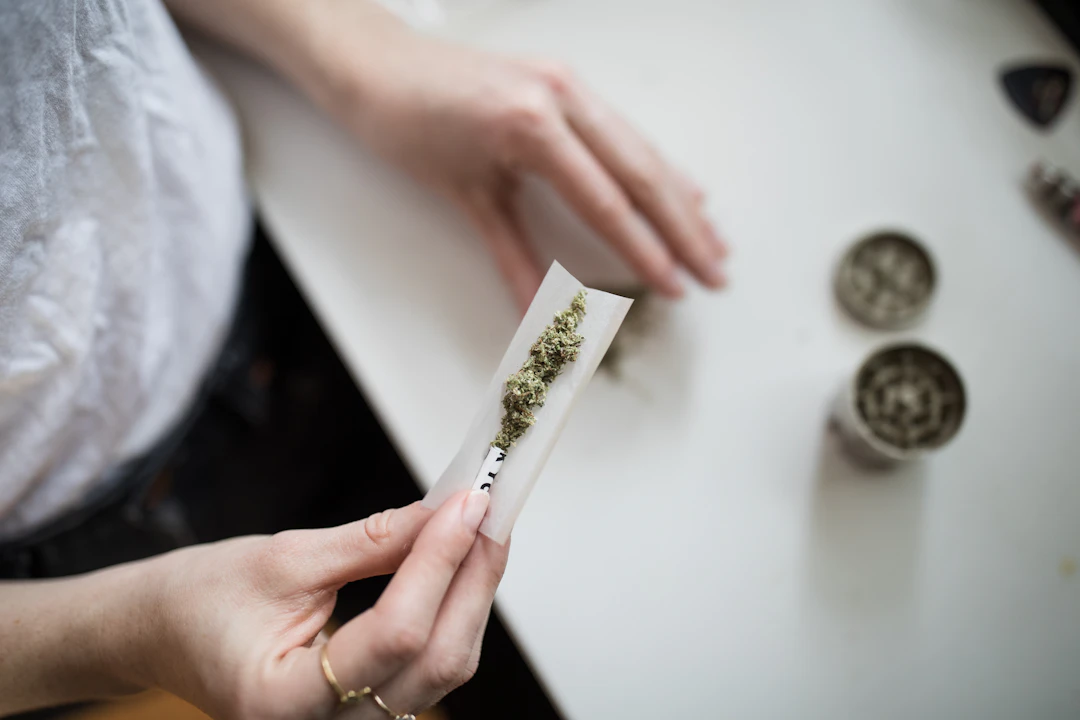
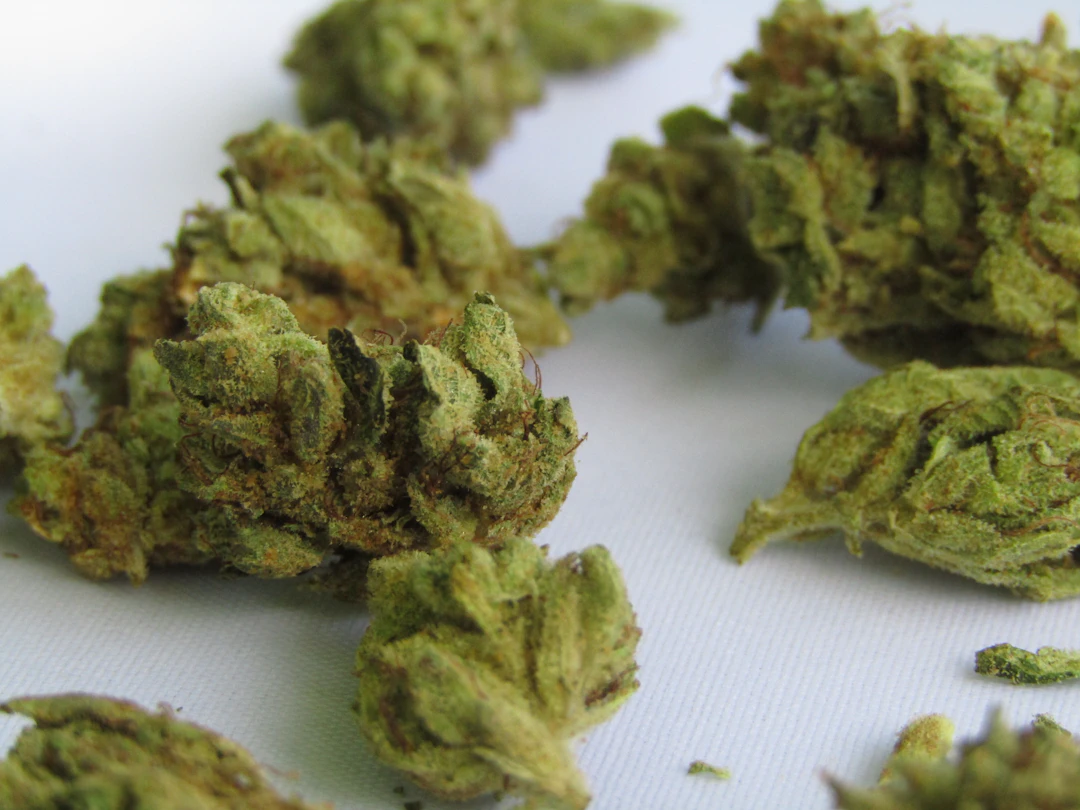
Cannabis comes in various forms, including oils, edibles, tinctures, and flower. Understanding the differences and how they affect the body is crucial to maximizing benefits while minimizing risks.
Responsible Use
Practice responsible use by starting with low doses, especially if you're trying a new product or form of cannabis. Observing how your body reacts will help you adjust your intake as needed.
A Trailblazing Future: The Continuing Journey of Cannabis in Health
The journey of cannabis in the realm of health and wellness is undoubtedly one filled with potential and discovery. With advancements in research, advocacy, and a better understanding of how Terpenes, Cannabinoids, THC, and CBD function within our bodies, we are on the cusp of a new era in healthcare. Consumers are becoming more empowered, informed, and proactive in their health choices, utilizing cannabis to enhance their well-being responsibly. It is essential to remain engaged, informed, and adaptable to upcoming changes within the legal landscape as we continue to uncover the secrets of this fascinating plant.
As we navigate this regenerative path, resources like Unlocking The Benefits Of Cannabis For Health And Wellness provide comprehensive information to bridge the gap between cannabis and health.
The future is promising, and as more studies are conducted and societal perceptions shift, the positive impacts of cannabis will continue to unfold, changing how we approach health and wellness in seemingly limitless ways.
FAQs
What are the main species of cannabis?
Cannabis refers to a family of flowering plants that includes three main species: Cannabis sativa, Cannabis indica, and Cannabis ruderalis.
What is the difference between THC and CBD?
THC (Tetrahydrocannabinol) is the psychoactive component known for producing a 'high' sensation, while CBD (Cannabidiol) does not produce psychoactive effects and is recognized for potential therapeutic benefits.
How does the legal landscape of cannabis vary in the U.S.?
The legal landscape of cannabis in the U.S. varies by state, with many states legalizing cannabis for medical and recreational use, while it remains classified as a Schedule I substance under federal law.
What are some potential health benefits of cannabis?
Potential health benefits of cannabis include pain relief, stress and anxiety reduction, neurological benefits for conditions like epilepsy, and digestive health by alleviating nausea.
What should I consider before using cannabis for health purposes?
Before using cannabis for health purposes, consult with a healthcare provider, understand the different product types, and practice responsible use by starting with low doses.
Comments