
Exploring the Therapeutic Potential of Cannabis in Health and Wellness


Overview
Cannabis is shifting from an illicit substance to a valuable health and wellness tool, with cannabinoids like THC and CBD offering various therapeutic benefits. This article explores the basics of cannabis, including its species, the role of terpenes, and its applications for managing chronic pain, anxiety, inflammation, and neurological disorders. It emphasizes safe consumption practices, addresses common misconceptions, and encourages education for those considering cannabis for health enhancement.
Contents
In recent years, the conversation surrounding Cannabis has shifted dramatically from illicit associations to becoming a powerful contender in the health and wellness arenas. As ongoing research unveils its numerous benefits, many are keen to understand how Cannabinoids, THC, CBD, and even Terpenes can contribute to a healthier lifestyle. This article dives into the fundamental aspects of cannabis and its applications for health and wellness, separating fact from fiction and exploring how this plant can enhance our well-being.
Understanding Cannabis: The Basics
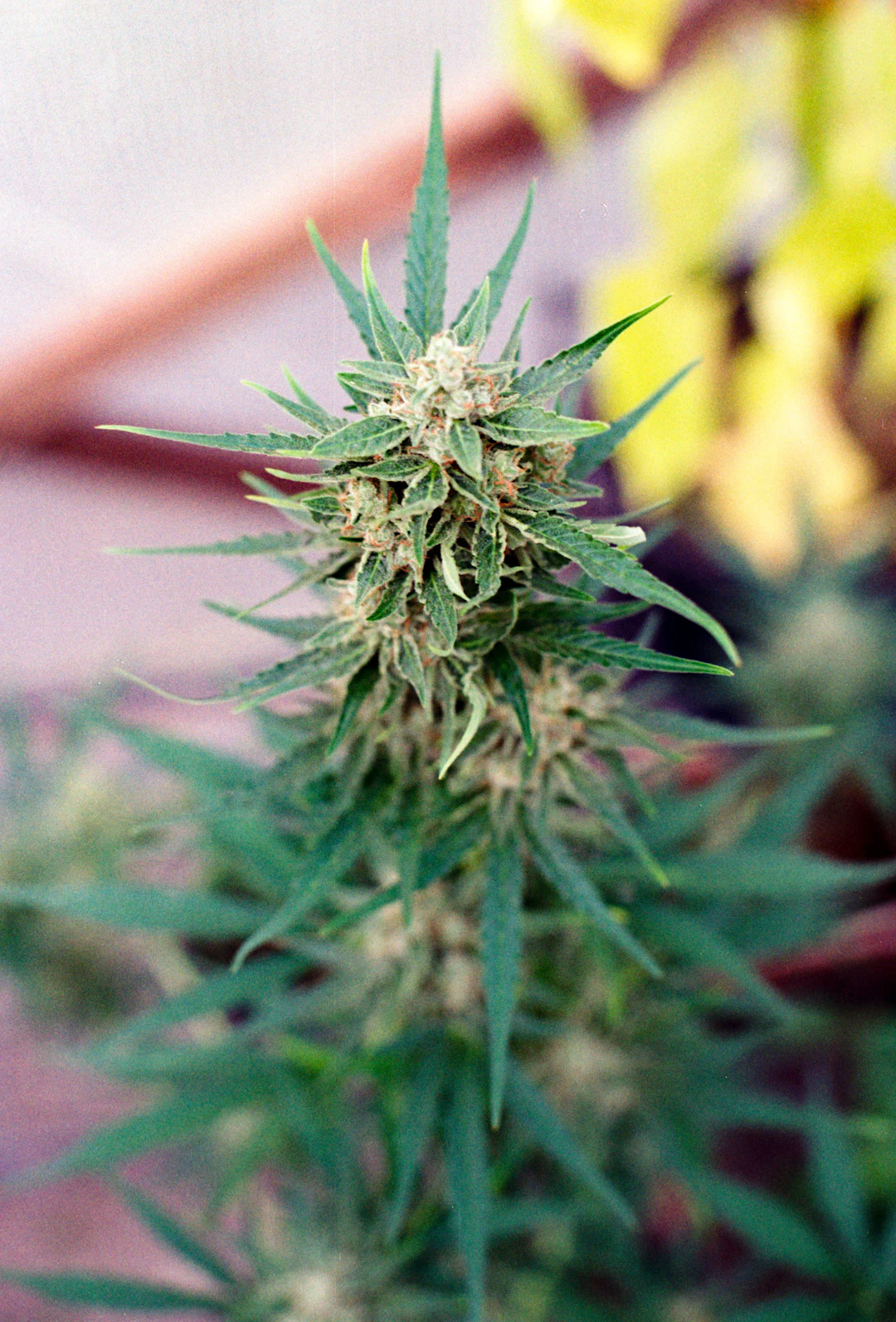
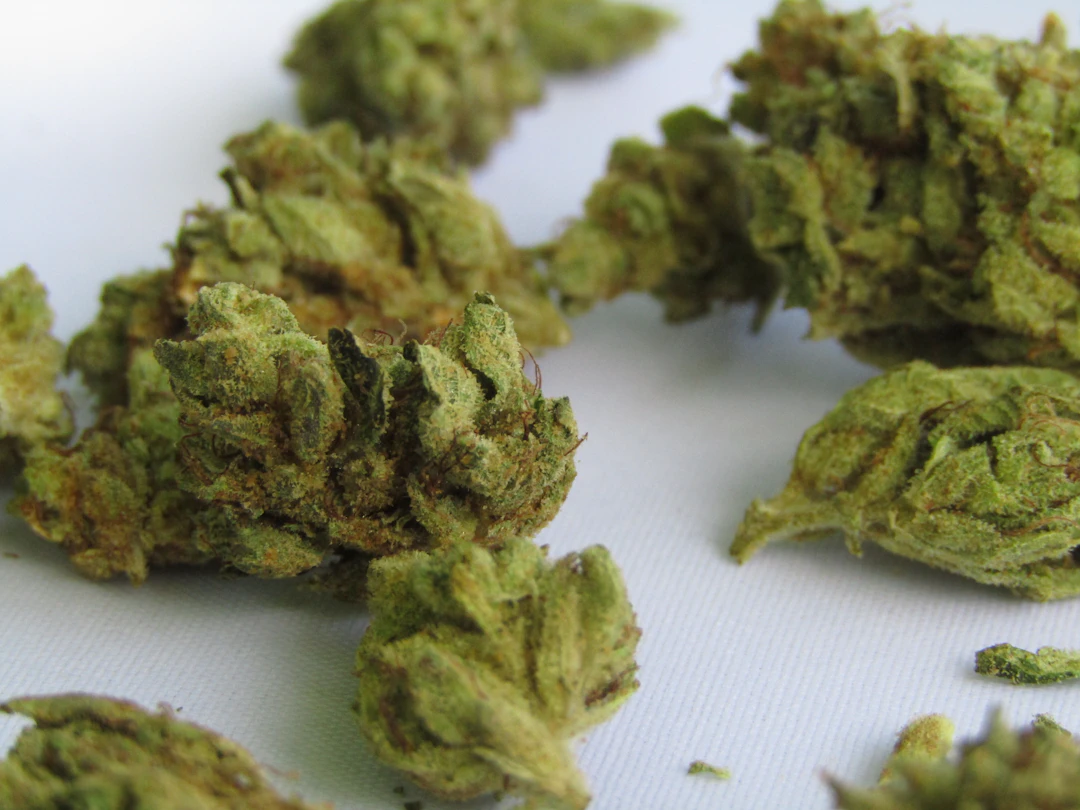
Cannabis is a flowering plant that has been used for thousands of years for various purposes ranging from textiles to medicine. The two primary species are Cannabis sativa and Cannabis indica, each offering a unique set of properties and effects. Furthermore, hybrid strains combining elements of both species are now prevalent, giving users a tailored experience that fits their needs.
What are Cannabinoids?
Cannabinoids are the active compounds found in cannabis responsible for its effects on the body. The two most well-known cannabinoids are:
THC (Tetrahydrocannabinol): The psychoactive component of cannabis, known for producing the "high" sensation. THC also has various therapeutic benefits, including pain relief, appetite stimulation, and nausea reduction.
CBD (Cannabidiol): A non-psychoactive cannabinoid that has gained immense popularity for its potential to reduce anxiety, inflammation, and seizures, without the intoxicating effects associated with THC.
The Role of Terpenes in Cannabis
Terpenes are aromatic compounds found in a variety of plants, including cannabis. They play a significant role in the aroma and flavor of different strains, but their benefits go beyond mere scent. Terpenes can work in synergy with cannabinoids, enhancing their effects — a phenomenon known as the "entourage effect."
Popular Terpenes and Their Benefits
Some common terpenes found in cannabis include:
Myrcene: Known for its earthy, musky scent, myrcene is thought to have relaxing effects and may help with sleep.
Limonene: This citrus-scented terpene is associated with mood elevation and is believed to have anti-anxiety properties.
Pinene: With a refreshing pine aroma, pinene may improve alertness and focus while possibly aiding in respiratory function.
Health Benefits of Cannabis
Research into the health benefits of cannabis has shown promising results in various areas. Here are some key areas where cannabinoids and terpenes can make a difference:
Chronic Pain Management
One of the most common reasons people turn to cannabis is to manage chronic pain. Studies have indicated that both THC and CBD can provide significant relief from conditions like arthritis, fibromyalgia, and multiple sclerosis, often with fewer side effects than traditional pain medications.
Anxiety and Stress Relief
Many individuals seeking to soothe anxiety and alleviate stress have found success with CBD-dominant cannabis strains. Research suggests that CBD interacts with serotonin receptors in the brain, leading to possible improvements in mood. Additionally, terpenes like limonene may complement this effect by enhancing relaxation.
Combatting Inflammation
Inflammation is linked to numerous health issues, from allergies to autoimmune diseases. Cannabinoids like CBD have shown promise as anti-inflammatory agents, making them potential candidates for treating conditions such as Crohn's disease and irritable bowel syndrome.
Neurological Disorders
Neurological disorders, including epilepsy and multiple sclerosis, are areas where cannabis has attracted significant attention. The FDA has even approved a CBD-based drug known as Epidiolex for epilepsy treatment. Research is ongoing into the efficacy of cannabinoids to ease symptoms associated with Parkinson’s and Alzheimer’s diseases.
How to Use Cannabis Safely
As with any therapy or health supplement, it’s crucial to approach cannabis responsibly. Here are some tips for safe consumption:
Consult with Healthcare Professionals: Always seek guidance from a knowledgeable healthcare provider before starting cannabis, especially if you’re currently taking medications or have underlying health conditions.
Know Your Product: Not all cannabis products are created equal. Familiarize yourself with the cannabinoid and terpene profiles of the strains you are considering. Understanding the ratios of THC to CBD can help tailor your experience.
Start Low and Go Slow: Beginners should start with a low dose and gradually increase to find their optimal level. This can help mitigate any adverse effects that come with higher doses.
Consider Methods of Consumption: Cannabis can be consumed in various forms, including oils, edibles, vaporizers, and traditional smoking. Each method delivers cannabinoids differently and can have varied onset times and effects.
The Legality of Cannabis
The legalization of cannabis has made headlines around the globe, and the legal landscape is rapidly changing. As of 2023, numerous states and countries have legalized cannabis for medical use, while others are moving toward full legalization. Ensure you understand the laws in your area before acquiring or using cannabis products.
Real or Myth? Common Misconceptions about Cannabis
With cannabis gaining popularity, unfortunately, many misconceptions prevail. Here’s a brief look at some common myths and the corresponding truths:
Myth: All cannabis causes an intoxicating high.Truth: CBD-dominant strains can provide health benefits without significant psychoactive effects.
Myth: Cannabis is addictive.Truth: While there is potential for dependency in some users, cannabis is considered less addictive compared to many prescription drugs and substances.
Myth: Cannabis has no legitimate medical benefits.Truth: Numerous studies support the therapeutic use of cannabinoids for various medical conditions.
Embracing Cannabis as a Wellness Tool
Incorporating cannabis into your health and wellness routine can be an exciting journey, but it requires education and understanding. From the two main cannabinoids, THC and CBD, to the beneficial terpenes, the landscape of cannabis is rich with potential.
As you explore the world of cannabis, remember to prioritize your health and be open to adjustments. The right approach may not only enhance your well-being but also encourage a supportive dialogue about cannabis in the broader context of health.
Grow Your Knowledge, Transform Your Life
Ultimately, the journey into cannabis for health and wellness is filled with discovery and potential. By educating yourself about cannabinoids and terpenes, understanding their benefits, and starting your journey with mindfulness, you can embrace cannabis as a partner in your health. Whether you’re seeking relief from chronic pain, looking to improve your mood, or searching for alternative wellness solutions, today’s cannabis landscape offers myriad opportunities for better living.
With constant advancements in research and a growing acceptance of cannabis, the future looks bright for those seeking natural ways to enhance their lives. Equip yourself with knowledge, stay informed, and you’ll be ready to step into the world of cannabis health and wellness.
FAQs
What are cannabinoids and what role do they play in cannabis health benefits?
Cannabinoids are active compounds found in cannabis responsible for its effects on the body. The most well-known cannabinoids are THC, which is psychoactive and may provide pain relief and appetite stimulation, and CBD, which is non-psychoactive and is known for its potential to reduce anxiety and inflammation.
How do terpenes contribute to the effects of cannabis?
Terpenes are aromatic compounds that enhance the aroma and flavor of cannabis strains and can work in synergy with cannabinoids, creating what is known as the 'entourage effect,' which may amplify the therapeutic benefits of cannabis.
What are some common health benefits associated with cannabis?
Research indicates that cannabis may help with chronic pain management, anxiety relief, inflammation reduction, and neurological disorders like epilepsy and multiple sclerosis.
What precautions should one take when using cannabis for health and wellness?
It's essential to consult with healthcare professionals before starting cannabis, know the product being used, start with a low dose and gradually increase, and consider different consumption methods, as each has varied effects.
What common misconceptions exist about cannabis?
Common myths include the belief that all cannabis causes an intoxicating high (CBD strains don’t), that cannabis is addictive (it is generally considered less addictive than many prescription drugs), and that there are no legitimate medical benefits (numerous studies support its therapeutic use).

Comments