
The Healing Journey: The Role of Cannabis in Alternative Medicine Practices


Overview
Cannabis has evolved from a stigmatized substance to a recognized component of alternative medicine, supported by scientific evidence. It contains cannabinoids like THC and CBD, which offer various health benefits including pain relief, anxiety reduction, improved sleep, appetite stimulation, and anti-inflammatory properties. Terpenes also enhance these effects and play a crucial role in therapeutic applications. Integrating cannabis into health practices involves consulting professionals, choosing appropriate products, and mindful usage. As research progresses, the future of cannabis in alternative medicine looks promising, paving the way for innovative wellness solutions.
Contents
The perception of cannabis has evolved significantly over recent years. Once stigmatized, it is now recognized as a valuable component of alternative medicine practices. With strong scientific evidence supporting its efficacy, cannabis is increasingly being integrated into health and wellness regimens. In this article, we will explore the multifaceted role cannabis plays in alternative medicine, focusing on its chemical compounds like cannabinoids and terpenes, as well as its primary components such as THC and CBD.
Understanding Cannabis and Its Components
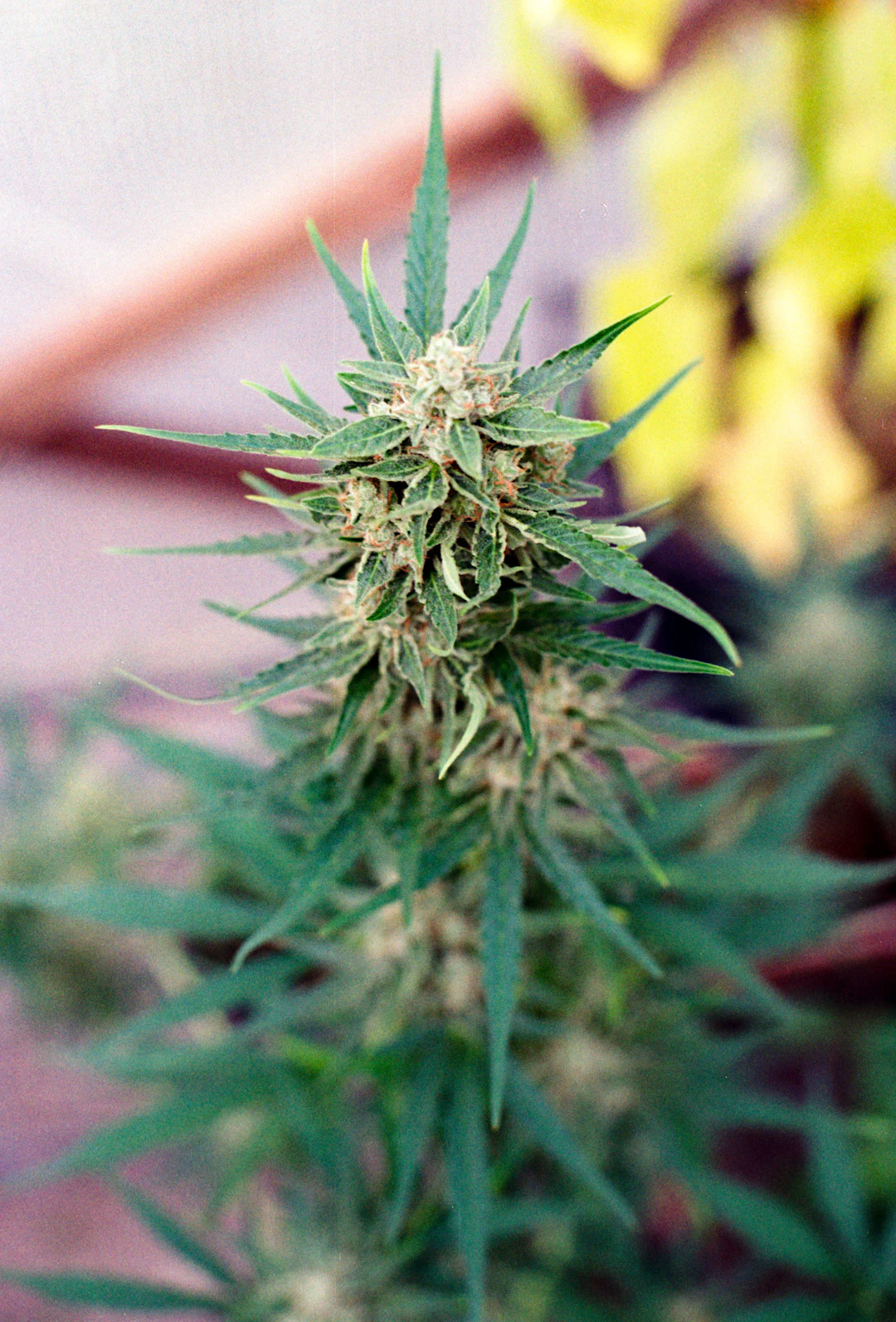
Cannabis is a plant that contains a variety of phytochemicals, including over 100 cannabinoids. The most well-known among them are THC (tetrahydrocannabinol) and CBD (cannabidiol). While THC is primarily known for its psychoactive effects, CBD is celebrated for its therapeutic benefits without the high. Beyond cannabinoids, cannabis is rich in terpenes, the aromatic compounds that contribute to the plant's scent and flavor, but also enhance its therapeutic effects.
Cannabinoids: These include THC and CBD, and they interact with the body’s endocannabinoid system to produce a plethora of effects.
Terpenes: These compounds provide aroma and flavor and can amplify the medicinal effects of cannabinoids.
The synergy between cannabinoids and terpenes is known as the “entourage effect.” This collaborative interaction can enhance the therapeutic efficacy of cannabis, making it a compelling choice in the realm of alternative medicine.
The Medical Benefits of Cannabis
Cannabis offers multiple health benefits that make it a mainstay in alternative medicine. Below are some well-researched areas where cannabis has shown promise:
Pain Management
Many people suffering from chronic pain find relief using cannabis products. Studies indicate that THC plays a significant role in pain reduction, while CBD provides anti-inflammatory properties. This combination allows individuals dealing with conditions like arthritis, migraines, or fibromyalgia to experience improved quality of life.
Anxiety and Stress Relief
Cannabis, particularly the use of CBD-rich strains, has been reported to alleviate symptoms of anxiety and stress. Many alternative medicine practitioners incorporate cannabis into therapy sessions aimed at managing anxiety disorders. This component of cannabis can provide a natural way to promote relaxation without the side effects associated with pharmaceutical alternatives.
Sleep Disorders
For those suffering from insomnia or other sleep-related issues, cannabis can promote better sleep patterns. THC has sedative properties, making it easier for individuals to fall asleep and stay asleep. This benefit is especially valuable in an increasingly sleep-deprived society.
Appetite Stimulation
Cannabis is well-known for its ability to stimulate appetite, commonly described as “the munchies.” This can be particularly beneficial for patients undergoing treatments such as chemotherapy, which often results in diminished appetite. Utilizing cannabis for appetite stimulation is a natural alternative to pharmaceutical options.
Anti-Inflammatory Benefits
Cannabidiol (CBD) is renowned for its anti-inflammatory properties. This makes it suitable for treating various inflammatory conditions, from skin disorders to autoimmune diseases. Many alternative medicine practitioners recommend topical applications of CBD-infused products to target localized areas of inflammation.
The Importance of Terpenes in Cannabis
In the realm of cannabis, terpenes play an essential role beyond their aromatic contributions. Terpenes have been found to offer various health benefits, making them crucial in alternative medicine practices. Some popular terpenes include:
Limonene: Known for its uplifting fragrance, limonene may help alleviate anxiety and stress.
Myrcene: This terpene exhibits anti-inflammatory properties and enhances the sedative effects of THC.
Pinene: Pinene is associated with anti-inflammatory effects and improved memory retention.
Understanding terpenes can help consumers select cannabis products that best meet their therapeutic needs. By exploring the marvelous world of terpenes, individuals can gain insight into the potential benefits of different cannabis strains and their effects on health.
Incorporating Cannabis into Holistic Health Practices
Integrating cannabis into holistic health practices requires a thoughtful approach. Here are some strategies for effectively incorporating cannabis:
Consultation with Healthcare Professionals
Before incorporating cannabis into any health regimen, it is essential to consult with a healthcare professional experienced in cannabis medicine. This step ensures safety and effectiveness, particularly for individuals with existing health conditions or those taking medications.
Choosing the Right Products
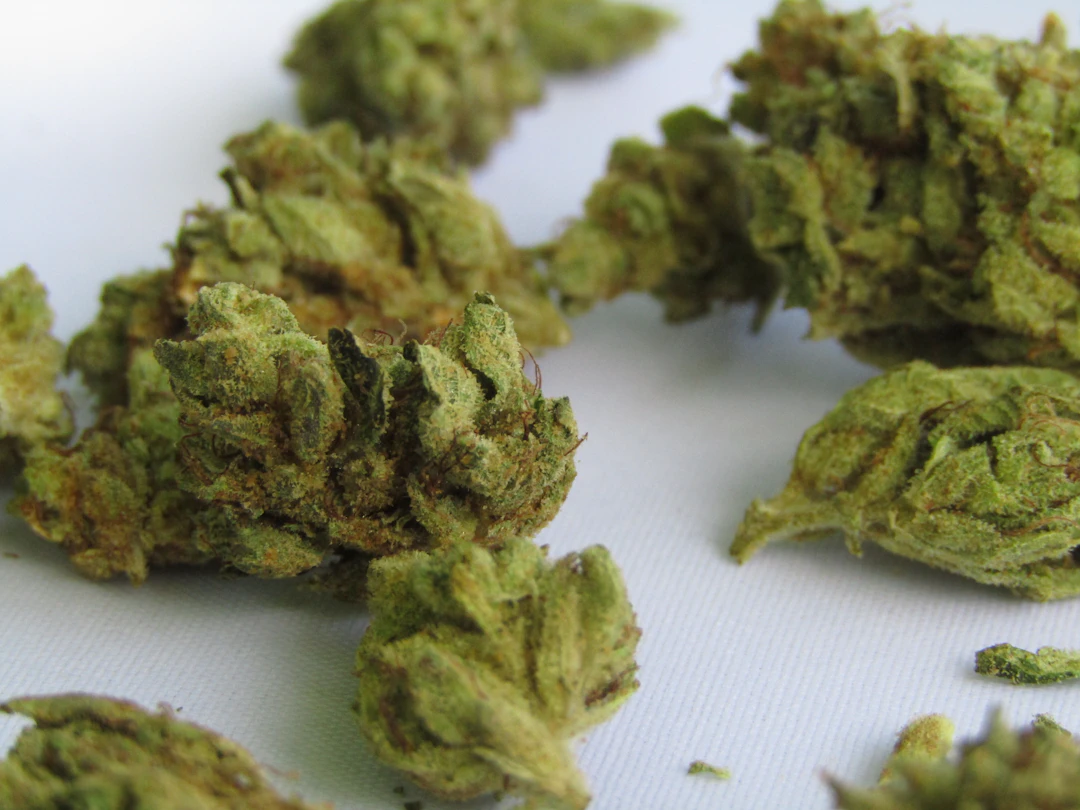
The cannabis market is abundant with various products, such as oils, tinctures, edibles, and topicals. Understanding the difference between these options can guide individuals in selecting the products that align with their therapeutic needs. For instance, elevating wellness often incorporates oils and tinctures for their quick absorption rates and ease of use.
Mindful Usage and Dosage
Starting with a low dose and gradually increasing it allows individuals to gauge their body's response to cannabis. Mindful usage is crucial to avoid unwanted side effects, particularly with products high in THC.
Consideration of Delivery Methods
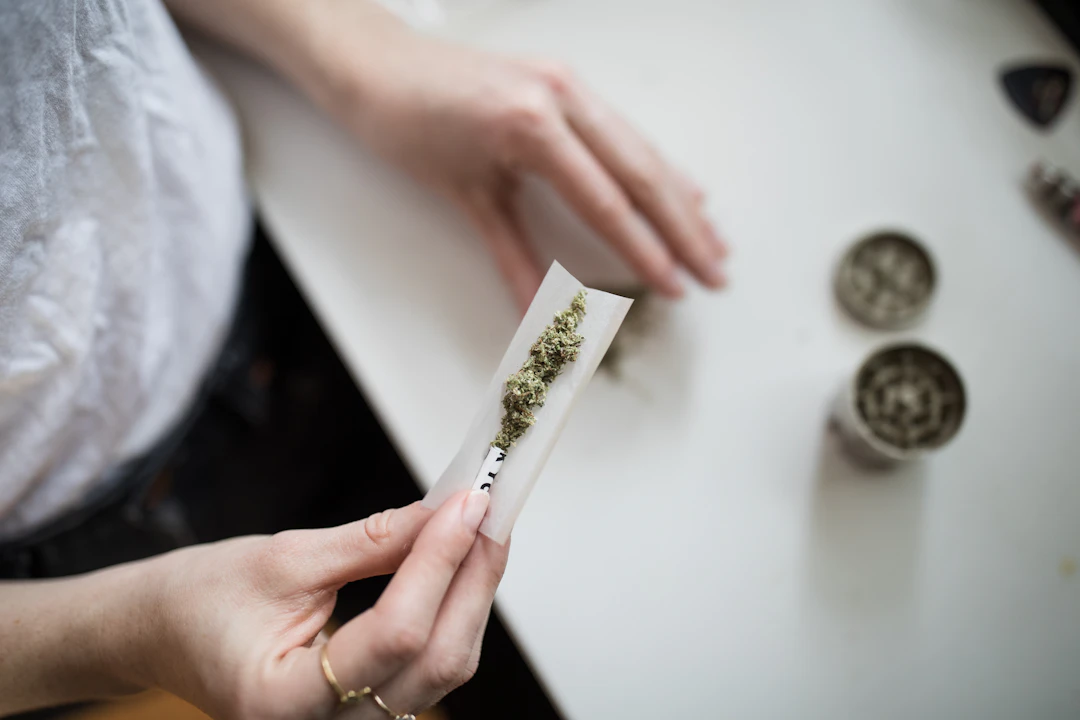
Various delivery methods can significantly impact the effects of cannabis. Inhalation provides rapid effects, while edibles take longer to metabolize but offer longer-lasting relief. Understanding these differences can help users make informed choices.
The Ethical Journey: Navigating Cannabis Use in Wellness Practices
As cannabis gains acceptance in alternative medicine, ethical considerations arise. It is vital to look toward sustainable practices in sourcing, cultivating, and using cannabis. There is a growing need to ensure that the cultivation practices used prioritize environmental sustainability. Information on this topic can be found by exploring sustainable cannabis practices.
The Future of Cannabis in Alternative Medicine
Research surrounding cannabis and its benefits continues to grow, indicating a promising future for its use in alternative medicine. Every day brings new findings that support its integration into traditional health practices.
Moreover, the advent of various delivery systems and product formulations makes cannabis more accessible and optimized for specific health needs. The future of cannabis research could open new avenues for its use across numerous health platforms, paving the way for an entirely new approach to wellness.
As we delve deeper into the therapeutic potential of cannabis, embracing its benefits could lead to revolutionary changes for those seeking alternative medicine solutions. By staying informed about the industry, individuals can take proactive steps in managing their health through responsible cannabis use.
This exploration of cannabis in alternative medicine showcases not only its healing potential but also the thrilling possibilities within health and wellness. Through a combination of knowledge, responsible use, and respect for nature, we can leverage the strengths of cannabis to elevate our well-being to new heights.
FAQs
What is the role of cannabis in alternative medicine practices?
Cannabis plays a multifaceted role in alternative medicine, being integrated into health and wellness regimens due to its chemical compounds like cannabinoids and terpenes, and its benefits for various conditions.
What are the main components of cannabis?
The main components of cannabis are cannabinoids, such as THC and CBD, which interact with the body’s endocannabinoid system, and terpenes, which contribute to the plant's aroma and enhance its therapeutic effects.
How does cannabis help with pain management?
Cannabis can provide relief from chronic pain, as THC is known for its pain reduction properties while CBD offers anti-inflammatory benefits, making it useful for conditions like arthritis and migraines.
What are the benefits of using terpenes in cannabis?
Terpenes in cannabis offer various health benefits, such as alleviating anxiety and enhancing the effects of cannabinoids, with specific terpenes providing unique therapeutic qualities.
Why is consultation with healthcare professionals important when using cannabis?
Consultation with healthcare professionals experienced in cannabis medicine is crucial to ensure safety and effectiveness, particularly for individuals with existing health conditions or those taking other medications.
Comments