
Elevating Wellness: Integrating Cannabis into Holistic Health Practices


Overview
Cannabis is increasingly recognized for its therapeutic benefits and can be integrated into holistic health practices. Understanding its components—cannabinoids like THC and CBD, and terpenes—can enhance wellness through mindfulness, yoga, aromatherapy, nutrition, and pain management. Ethical consumption and legal considerations are important, and a respectful approach to cannabis can unlock its potential for a balanced lifestyle.
Contents
In recent years, the conversation surrounding cannabis has shifted dramatically. No longer stigmatized, it is progressively being recognized for its therapeutic value. As more people seek holistic health practices to enhance their well-being, integrating cannabis with these alternatives has become a prominent topic. This comprehensive guide will explore how cannabis can harmoniously blend into holistic health practices, focusing on its components, including terpenes, cannabinoids, THC, and CBD, and their potential benefits.
Understanding Cannabis and Its Components
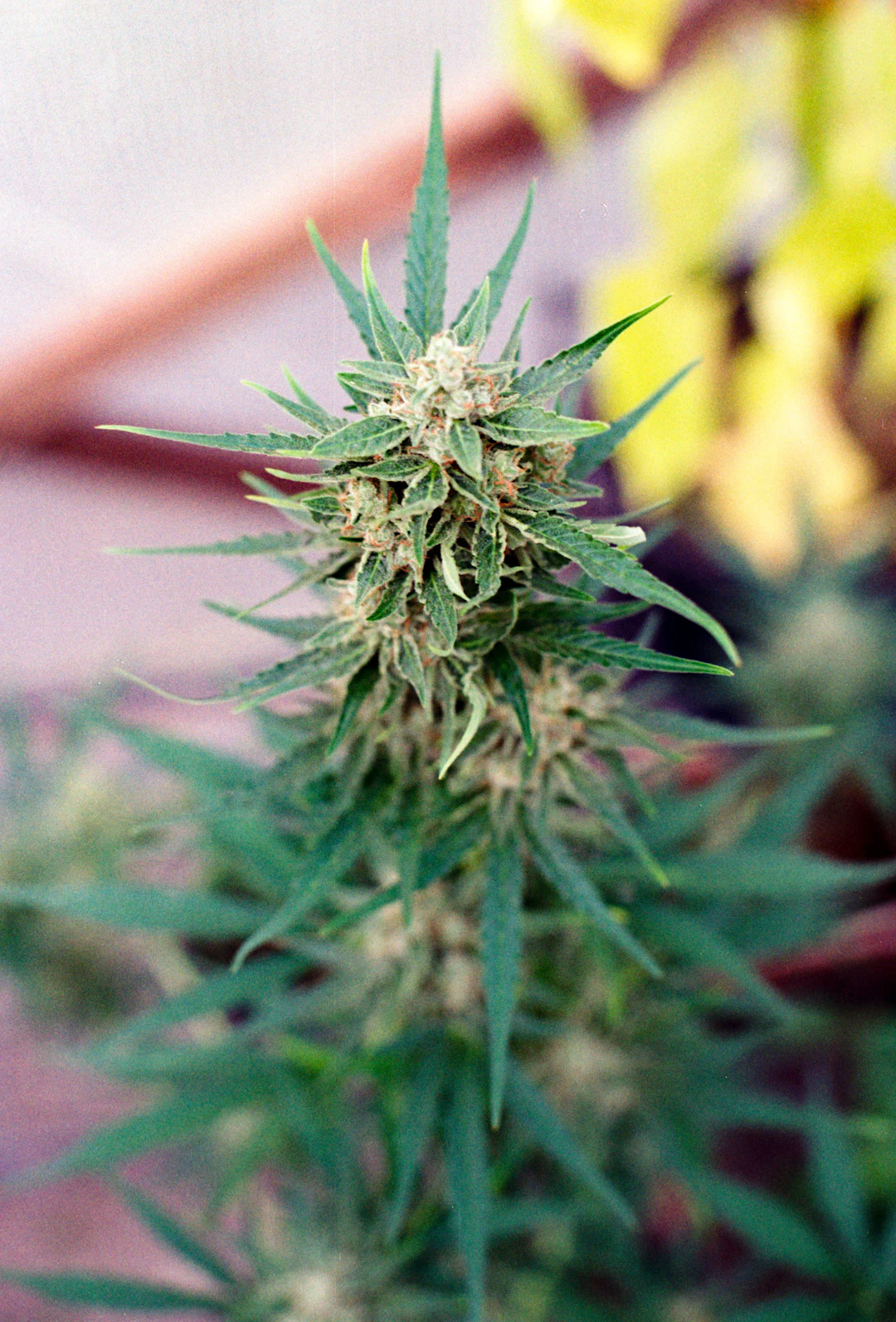
Before delving into the integration of cannabis into wellness practices, it’s essential to grasp the fundamentals of what cannabis is and the various elements that contribute to its therapeutic properties. Cannabis is a flowering plant that has been used for thousands of years for both recreational and medicinal purposes. Its primary active compounds are known as cannabinoids, which interact with the body’s endocannabinoid system. This system plays a critical role in maintaining homeostasis, or balance, within the body.
The Role of Cannabinoids
The two most well-known cannabinoids are:
THC (Tetrahydrocannabinol) - This is the psychoactive component that produces the "high" associated with cannabis use. However, THC also has significant therapeutic benefits, including pain relief and appetite stimulation.
CBD (Cannabidiol) - Unlike THC, CBD is non-psychoactive, making it ideal for those looking for therapeutic benefits without the mind-altering effects. CBD is renowned for its anti-anxiety, anti-inflammatory, and pain-relief properties.
These cannabinoids have varying effects and can be used to address a wide range of health issues, from chronic pain management to anxiety treatment. Understanding how they function allows you to integrate cannabis more effectively into your holistic health routine.
Exploring Terpenes and Their Benefits
In addition to cannabinoids, cannabis contains terpenes. These aromatic compounds are responsible for the distinctive smell and flavor of cannabis strains. More importantly, terpenes may also contribute to the plant’s overall therapeutic effects. Some commonly studied terpenes include:
Myrcene: Often found in high quantities in cannabis, myrcene is believed to have sedative properties, potentially enhancing sleep quality.
Limonene: This terpene has a citrus aroma and is thought to elevate mood and relieve stress.
Pinene: Known for its pine scent, pinene may improve focus and memory, counteracting some of THC’s potential cognitive drawbacks.
Combining the right cannabinoids and terpenes can enhance their effectiveness through a phenomenon known as the entourage effect. By using whole-plant or full-spectrum products, individuals may experience a more comprehensive range of benefits.
Integrating Cannabis into Holistic Health Practices
Now that we understand the components of cannabis, let’s explore how to seamlessly integrate it into various holistic health practices.
1. Mindfulness and Meditation
Mindfulness practices are designed to enhance one’s awareness in the present moment. Cannabis can complement meditation by promoting relaxation and reducing anxiety, allowing for a deeper meditative experience. Using low-THC or high-CBD cannabis strains can help maintain clarity while soothing the mind. Consider incorporating cannabis-infused teas or subtle doses of CBD oil before your meditation sessions to ease tension and enhance your focus.
2. Yoga and Movement Therapy
Many yogis and athletes have found that cannabis can enhance physical activities. The muscle-relaxing effects of THC and the anti-inflammatory properties of CBD can help alleviate pain associated with exercise, enabling a more fluid and enjoyable practice. Some practitioners suggest using cannabis-infused topical creams for targeted pain relief, allowing you to engage more fully in your yoga or workout sessions.
3. Aromatherapy and Essential Oils
Aromatherapy is another holistic practice where terpenes come into play. By blending essential oils with cannabis-derived terpenes, you can create custom aromatherapy blends tailored to your specific needs. For relaxation, consider combining lavender essential oil with myrcene-rich cannabis extracts. For an energizing blend, try citrus oils with limonene-rich cannabis. This synergy can enhance your emotional and physical states, allowing for deeper relaxation or invigoration as needed.
4. Nutrition and Dietary Additions
Incorporating cannabis into your diet is an effective way to gain its health benefits. CBD-infused snacks, beverages, or oils can provide sublingual or digestive absorption of cannabinoids, promoting overall wellness. When cooking with cannabis, always remember to decarboxylate it first to activate the compounds for greater effectiveness. Additionally, consider foods that also promote health benefits, such as omega-3 fatty acids found in hemp seeds. This combination can impact your endocannabinoid system positively.
5. Alternative Treatments for Pain Management
Cannabis can be particularly effective as part of alternative pain management strategies. Whether used in conjunction with acupuncture, chiropractic care, or massage therapy, cannabis may help alleviate pain or enhance the overall effectiveness of these practices. For example, applying CBD oil topically on sore areas before a massage can help ease muscle tension, making the treatment more effective.
The Legal and Ethical Considerations
As cannabis becomes increasingly accepted for therapeutic use, various states and countries have different regulations. It is imperative to stay informed about the laws pertaining to cannabis in your locality. Always consult with a healthcare professional before starting any new health practice involving cannabis, especially if you are pregnant, nursing, or taking other medications. Ethical consumption is key to ensuring that you are making informed choices that benefit both yourself and your community.
Cannabis: A Complement to Holistic Wellness
As you embark on integrating cannabis into your holistic health practices, remember that the intent behind wellness is crucial. Focus on achieving balance, wellness, and clarity throughout your journey. Cannabis, with its diverse array of cannabinoids and terpenes, offers numerous possibilities to enhance well-being, whether through meditation, movement, nutrition, or alternative therapies. By approaching it with respect and understanding, you can unlock the true therapeutic potential of cannabis and embrace a healthier, more balanced lifestyle.
As the field of holistic health evolves, cannabis remains at the forefront, bridging the gap between traditional practices and modern wellness solutions. Regularly reevaluate your approach and remain open to new methods of integrating cannabis into your holistic health practice. The path to well-being is a personal journey, and with the right tools, including the benefits of cannabis, you can find what works best for you.
FAQs
What is the primary focus of the blog on cannabis and holistic health practices?
The blog explores how cannabis can be integrated into holistic health practices to enhance well-being, discussing its components like cannabinoids and terpenes and their potential benefits.
What are cannabinoids and why are they important for health?
Cannabinoids, such as THC and CBD, are active compounds in cannabis that interact with the body's endocannabinoid system, playing a critical role in maintaining balance and addressing various health issues.
How can cannabis be used in mindfulness and meditation practices?
Cannabis can promote relaxation and reduce anxiety, allowing for a deeper meditative experience. Low-THC or high-CBD strains are recommended for maintaining clarity during meditation.
Can cannabis be integrated into nutrition and diet?
Yes, cannabis can be incorporated into your diet through CBD-infused snacks, beverages, or oils to promote overall wellness. It's important to decarboxylate cannabis when cooking to activate its compounds.
What should individuals consider regarding the legal and ethical aspects of using cannabis?
Individuals should stay informed about local cannabis regulations and consult healthcare professionals before starting any new health practices involving cannabis, ensuring ethical consumption and informed choices.
Comments