
THC vs. CBD: Understanding Their Different Effects


Overview
THC and CBD are two prominent cannabinoids in cannabis, each offering distinct effects. THC is psychoactive, providing euphoria and pain relief but may cause side effects like anxiety. CBD is non-psychoactive, known for its therapeutic benefits such as anxiety reduction and pain relief, with minimal side effects. Both can complement each other for enhanced benefits. Various consumption methods exist, and legal statuses vary by location. Users should approach with caution and consult healthcare professionals for safe use. Understanding these cannabinoids can help consumers make informed health decisions.
Contents
The conversations surrounding cannabis have evolved dramatically over the last few years. With the increasing acceptance and legalization of cannabis in various parts of the world, more people are becoming aware of its components. Among the most discussed topics are two of the most prevalent cannabinoids found in cannabis: THC (tetrahydrocannabinol) and CBD (cannabidiol). Although both cannabinoids are derived from the cannabis plant, they present notably different effects. By understanding these differences, consumers can make informed decisions about their health and wellness. This blog will offer you a comprehensive comparison of THC and CBD, dive into their unique effects, and explore their safety and benefits.
What Are Cannabinoids?
Cannabinoids are the active compounds found in cannabis. They are primarily responsible for the plant's therapeutic and psychoactive effects. There are over 100 different cannabinoids in cannabis, but THC and CBD are the most well-known due to their varied implications for health and wellness.
Understanding THC: The Psychoactive Component
Referencing THC, this cannabinoid is largely responsible for the euphoric "high" that many people associate with cannabis use. THC mimics the action of naturally occurring neurotransmitters in the brain, binding to cannabinoid receptors and activating the endocannabinoid system.
Some of the common effects associated with THC include:
Elevated mood and euphoria
Increased appetite
Altered perception of time
Relaxation and pain relief
While many individuals enjoy these effects, THC can also produce side effects, including:
Short-term memory impairment
Anxiety or paranoia
Impaired coordination
THC's psychoactive properties can sometimes lead to misuse and dependency, making it essential to use it cautiously and responsibly. For those interested in further exploring cannabis's psychoactive effects, consider reading about the effects of cannabis on mental health.
Unpacking CBD: The Non-Psychoactive Alternative
Unlike THC, CBD has gained attention for its therapeutic benefits without the psychoactive effects. CBD interacts with the endocannabinoid system but does so differently than THC. Instead of binding directly to the cannabinoid receptors, CBD works in a more indirect way, enhancing the body's own production of endocannabinoids.
The benefits of CBD include:
Reduction of anxiety and depression
Pain and inflammation relief
Support for a healthy sleep cycle
Neuroprotective properties
Many users appreciate CBD for its potential to enhance wellness without the high that THC provides. Additionally, CBD is generally well-tolerated with minimal side effects, such as fatigue or gastrointestinal issues. For those looking for more information on how cannabis can support overall well-being, check out the transformative potential of cannabis.
Understanding Terpenes: The Aromatic Compounds of Cannabis
In addition to cannabinoids like THC and CBD, cannabis contains aromatic compounds known as terpenes. These natural hydrocarbons contribute to the unique scent, flavor, and potential effects of each cannabis strain. Research suggests that terpenes may play a role in the overall therapeutic effects of cannabis, also known as the "entourage effect." Some common terpenes found in cannabis include:
Limonene: Known for its citrus scent, limonene is believed to have uplifting and anti-anxiety properties.
Myrcene: With an earthy aroma, this terpene may provide relaxing effects and aid sleep.
Pinene: This terpene offers a pine scent and is thought to support alertness and memory retention.
The specific combination of cannabinoids and terpenes contributes to the distinct effects of cannabis strains. If you're interested in exploring how terpenes and cannabinoids work together, learn more about the marvelous world of terpenes in cannabis.
Complementary Benefits of THC and CBD
While THC and CBD have distinct effects, they can also complement each other when used together. Many consumers find that a balanced product containing both cannabinoids provides enhanced therapeutic benefits, known as the entourage effect. Research continues to emerge, demonstrating how these cannabinoids can work synergistically to improve health outcomes. For instance, while THC may enhance pain relief, CBD can mitigate some of its negative side effects, such as anxiety and paranoia.
Different Consumption Methods
There are several methods to consume THC and CBD, each offering its own set of effects and onset durations. Some common methods include:
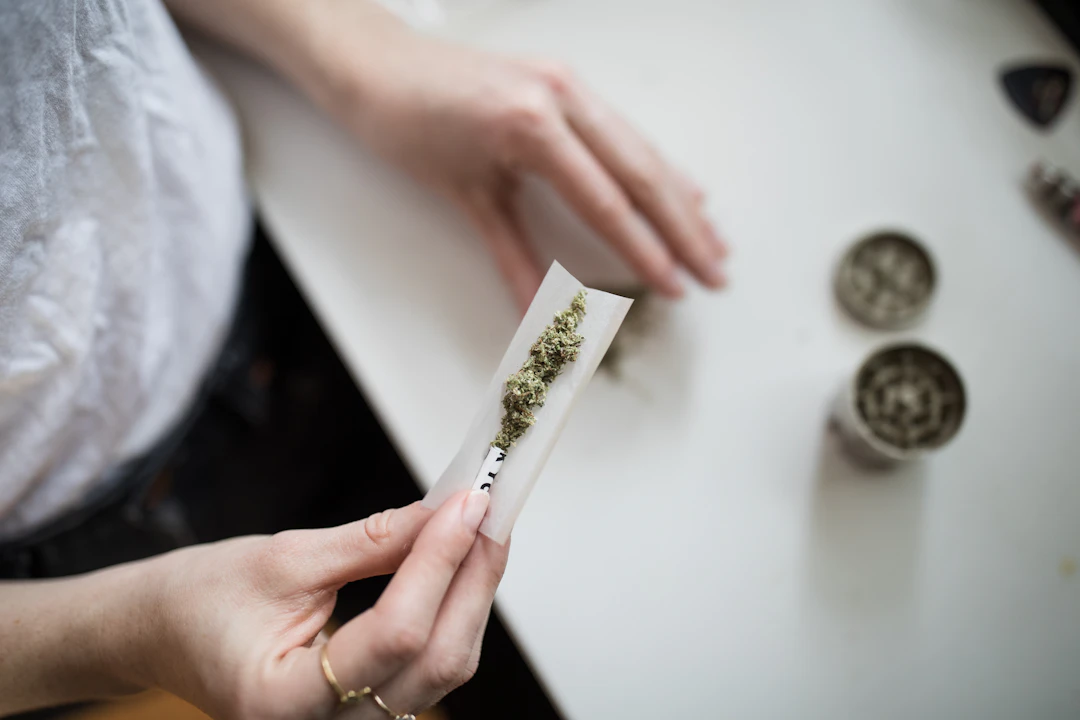
Smoking or Vaporizing: These methods offer quick effects, usually within minutes, making them popular for immediate relief.
Edibles: Consuming THC or CBD in food forms can result in longer-lasting effects, but the onset can take anywhere from 30 minutes to 2 hours.
Tinctures: Administering cannabinoids under the tongue allows for fast absorption and similar onset times to smoking.
Topicals: Creams and balms infused with THC and CBD can provide localized relief from pain and inflammation without psychoactive effects.
When choosing a consumption method, personal preferences, desired effects, and individual health goals should guide your decision.
Legal Status of THC and CBD
The legal status of THC and CBD can vary widely depending on the jurisdiction. In many areas, CBD derived from hemp (which contains less than 0.3% THC) is legal, while THC remains regulated within controlled environments. It's crucial to stay informed about the legal landscape in your area, especially if you plan to incorporate cannabis into your health and wellness routine.
Safety and Precautions
While both THC and CBD have shown promise for various health issues, users should approach these cannabinoids with caution. THC can impair coordination, potentially leading to accidents. It's advisable to avoid driving or operating heavy machinery while under its influence. Additionally, individuals may react differently based on their body chemistry and pre-existing conditions.
Consulting with healthcare professionals knowledgeable about cannabis can provide personalized guidance to ensure safe dosing and consumption. It's particularly crucial for those on medication or with specific health concerns.
Exploring Popular Uses for THC and CBD
The therapeutic properties of cannabis can serve numerous health conditions. Some popular applications of THC and CBD include:
Chronic Pain Relief: Both THC and CBD have demonstrated effectiveness in managing pain from conditions such as arthritis, fibromyalgia, and multiple sclerosis.
Anxiety and Stress Reduction: Many users report improved mental well-being from utilizing CBD, while THC can provide immediate stress relief for some individuals.
Improved Sleep Quality: Combining THC and CBD may benefit those struggling with insomnia and restlessness.
Appetite Stimulation: Particularly associated with THC, cannabis is known to enhance appetite, making it beneficial for individuals undergoing treatments like chemotherapy.
This holistic approach to health and wellness continues to gain recognition, with more studies emerging about how cannabis can be tailored to treat specific health challenges. The favorable results can lead to advocating for cannabis, further encouraging research and acceptance in the wellness community. Dive into stories of improvement through cannabis by checking out transformative testimonials of cannabis use for health and wellness.
The Future of Cannabis: A World of Potential
As the landscape of cannabis continues to shift, research and understanding of THC, CBD, and other cannabinoids are poised to expand. There remains a strong public curiosity about the therapeutic potential of cannabis, which can drive further investigations into its applications. Additionally, as more individuals, healthcare providers, and policymakers see the benefits of these cannabinoids, the integration of cannabis into mainstream health practices may increase.
Staying informed about the advancements in cannabis research will equip users with the knowledge they need to harness its benefits safely and effectively. Knowledge is a powerful tool in navigating this complex and evolving field, potentially transforming the perception of cannabis in personal wellness and societal health.
Your exploration into THC, CBD, and their distinct effects is just the beginning of a journey toward understanding the diverse possibilities that the cannabis plant has to offer. Whether you’re seeking relief from a particular ailment or simply interested in exploring holistic health strategies, remember that being informed is key to a successful experience!
FAQs
What are cannabinoids and why are they important?
Cannabinoids are active compounds found in cannabis responsible for its therapeutic and psychoactive effects. They play a vital role in health and wellness.
What is the difference between THC and CBD?
THC is the psychoactive component of cannabis that produces a 'high', while CBD is a non-psychoactive cannabinoid known for its therapeutic benefits without the euphoric effects.
What are the common effects of THC?
Common effects of THC include elevated mood, increased appetite, altered perception of time, and relaxation. However, it can also cause side effects like memory impairment, anxiety, and impaired coordination.
How does CBD benefit health?
CBD is known for its potential to reduce anxiety and depression, relieve pain and inflammation, support sleep, and exhibit neuroprotective properties, typically with minimal side effects.
What are the legal statuses of THC and CBD?
The legal status of THC and CBD varies by jurisdiction. In many places, CBD derived from hemp is legal, while THC remains regulated, so it's important to understand local laws before using cannabis.
Thanks for putting together such a useful collection of information. I always appreciate articles that focus on practical insights instead of filling space with unnecessary details. It makes the content much easier to read and actually useful. After going through this, I also decided to explore more info about Medical cannabis prices UK, and it gave me a much broader understanding of the topic. It's always great when one helpful resource leads you to discover even more valuable information.