
Navigating Cannabis Use for Seniors: What to Consider


Overview
Seniors are increasingly exploring cannabis for therapeutic benefits like pain relief, anxiety reduction, and improved sleep. Understanding key components such as cannabinoids (THC and CBD) and terpenes is essential for making informed choices. It's important to consult healthcare providers, start with low doses, and be aware of local laws. While cannabis offers many potential benefits, seniors should also be mindful of possible side effects and adjust their use accordingly. Continuous education and a personalized wellness plan can enhance their cannabis experience.
Contents
The conversation around cannabis has evolved significantly over the years, and its acceptance as a potential therapeutic option has gained traction, especially among seniors. With a wealth of information available, navigating the world of cannabis can be overwhelming. This article aims to guide seniors through the complex landscape of cannabis use, considering factors such as terpenes, cannabinoids, THC, and CBD, to help them make informed decisions. Whether exploring cannabis for pain relief, anxiety reduction, or overall wellness, understanding these components is crucial.
Understanding Cannabis: What You Need to Know
Before diving into cannabis use, it's essential to grasp the fundamentals. Cannabis contains various compounds known as cannabinoids, of which THC (tetrahydrocannabinol) and CBD (cannabidiol) are the most well-known. These compounds interact with the body's endocannabinoid system, influencing various physiological processes.
THC is renowned for its psychoactive effects, often associated with the “high” feeling. This might benefit some seniors seeking pain relief, appetite stimulation, or nausea reduction. However, it may also cause anxiety or paranoia in some users, especially in higher dosages.
On the other hand, CBD is non-psychoactive, with potential therapeutic effects that could benefit seniors dealing with chronic pain, inflammation, anxiety, and other health conditions. By understanding these differences, seniors can make more informed choices regarding cannabis products that suit their needs.
Terpenes: The Secret Weapon in Cannabis
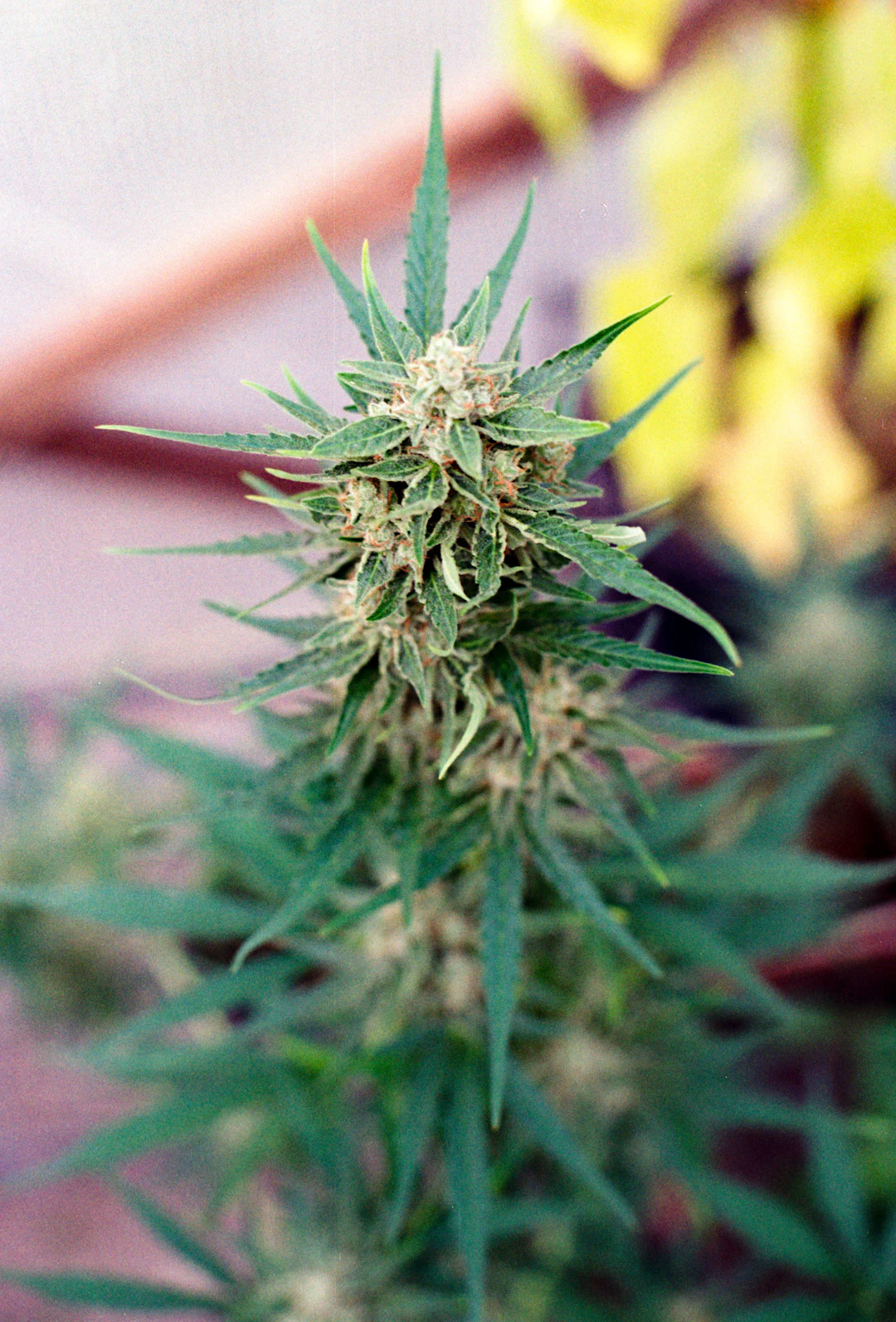
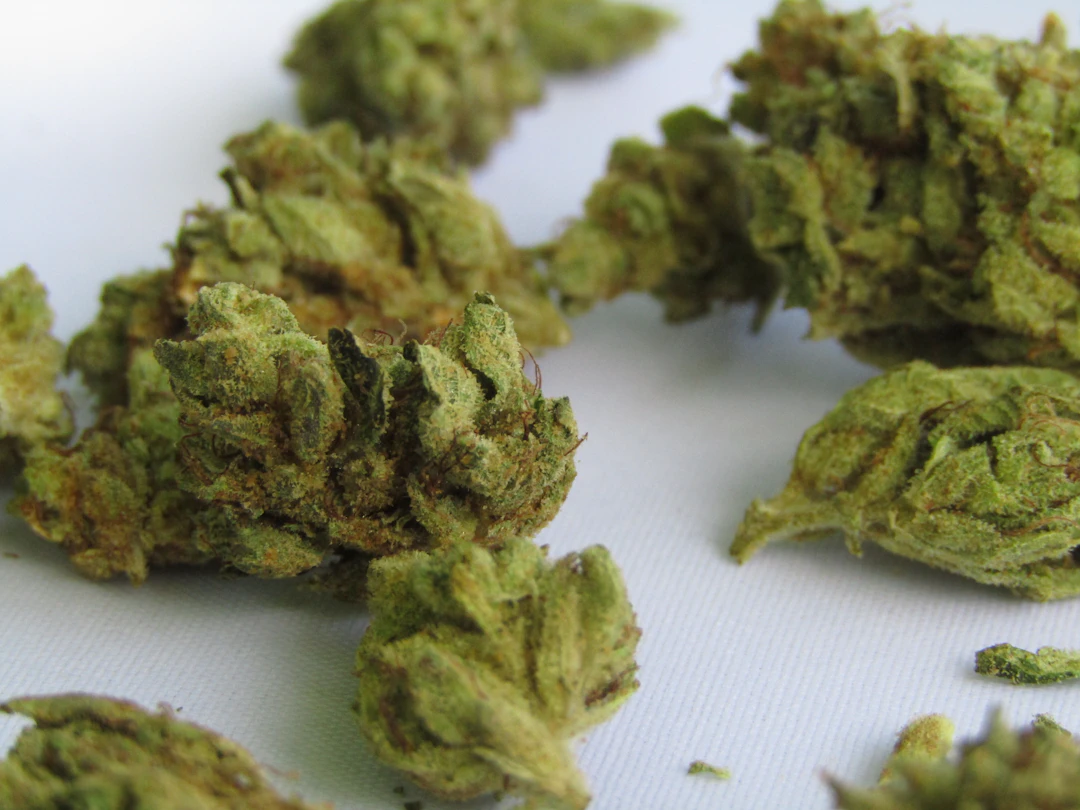
Along with cannabinoids, cannabis plants are rich in terpenes, which are aromatic compounds that contribute to the plant's scent and flavor. Each strain of cannabis has a unique terpene profile, which can influence the effects of the strain. For instance, linalool is known for its calming effects, while caryophyllene may provide anti-inflammatory benefits.
Understanding terpenes is especially important for seniors as they might choose specific strains based on the effects they wish to experience. By selecting strains high in certain terpenes, seniors can tailor their cannabis experience to their specific needs. Learn more about these healing compounds and how they can enhance the benefits of cannabis.
Health Benefits of Cannabis for Seniors
Seniors are increasingly turning to cannabis for a variety of health benefits. Some potential advantages include:
Pain Management: Many seniors suffer from chronic pain due to conditions such as arthritis or neuropathy. Cannabis has been shown to alleviate pain by altering pain perception pathways in the brain.
Anxiety and Depression Relief: Cannabis, particularly CBD strains, can help alleviate symptoms of anxiety and depression, which are prevalent among older adults.
Improved Sleep Quality: Seniors often experience sleep disturbances. Cannabis can promote relaxation and improve sleep quality by addressing underlying issues causing insomnia.
Appetite Stimulation: THC can help stimulate appetite and combat issues such as cachexia or unintentional weight loss.
As research into the health benefits of cannabis continues to unfold, seniors must stay informed about the latest findings. Explore real-life experiences through transformative testimonials from others who have successfully integrated cannabis into their health routines.
Safe and Responsible Use of Cannabis
When considering cannabis, seniors should keep safety in mind. The following guidelines can help ensure a positive experience:
Consult a Healthcare Provider: Always speak with a doctor, preferably one knowledgeable about cannabis, before starting use. This is essential for seniors who may be taking multiple medications to avoid interactions.
Start Low and Go Slow: Beginners should start with low doses and gradually increase as needed. Waiting for the effects to manifest before taking more is crucial, especially with THC products.
Choose the Right Product: Different products (oils, edibles, tinctures, etc.) have varying effects and onset times. Selecting a suitable product based on personal preferences and health goals can enhance the experience.
Be Aware of State Regulations: Cannabis laws vary widely, so seniors should familiarize themselves with their state’s regulations. For guidance, refer to this article on navigating state laws.
Potential Side Effects and Considerations
While cannabis can offer numerous benefits, it is important to be aware of potential side effects. Common side effects may include:
Dry mouth
Fatigue
Dizziness
Changes in appetite
These effects can vary depending on individual tolerance, the strain used, and the method of consumption. Monitoring one’s response to cannabis and adjusting usage accordingly is essential. In rare cases, seniors may experience more severe side effects, such as heightened anxiety or confusion, particularly with high THC products.
Understanding Legalities Surrounding Cannabis Use
Legal considerations around cannabis can be complicated. Each state has different laws regarding the medical or recreational use of cannabis. It’s essential for seniors to understand these regulations, as they can impact their choice to use cannabis as a treatment option. Read more on the legal landscape with our guide on navigating legalities for health and wellness.
Crafting a Personal Wellness Plan with Cannabis
Integrating cannabis into a wellness plan can be beneficial for seniors, but it should be done thoughtfully. Each individual is unique, and a personalized approach is necessary. Begin by assessing your health needs and preferences before exploring different delivery methods, such as:
Oils: Concentrated and easy to dose, cannabis oils can be taken sublingually or added to food.
Edibles: These provide a tasty option for consumption but can take longer to take effect, so patience is vital.
Topicals: Ideal for localized pain relief, cannabis-infused lotions and balms can be applied directly to affected areas.
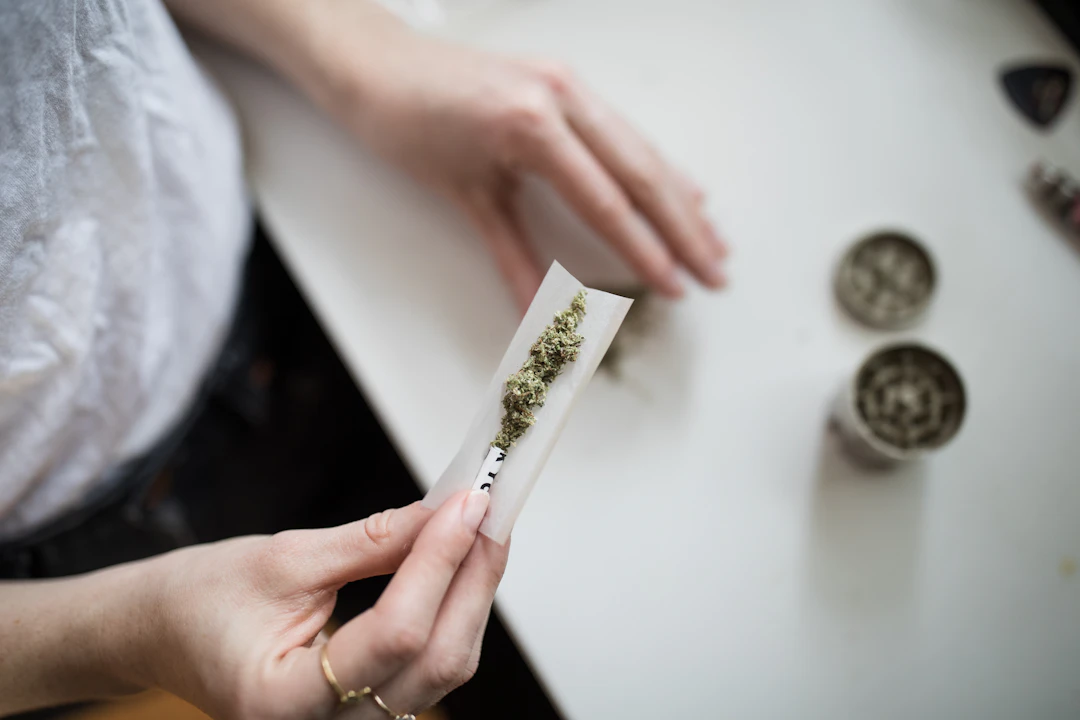
Inhalation: For rapid relief, vaping or smoking may be effective; however, they carry risks associated with lung health.
Work with a healthcare professional to develop a personal wellness plan that incorporates cannabis safely and effectively. Consider exploring how to craft a wellness plan tailored to your needs.
Stay Educated and Be Open to Adjustment
Ultimately, the journey into cannabis use should be marked by continuous education and flexibility. As more studies emerge and additional information becomes available, seniors need to stay updated on the best practices for using cannabis. By learning and adapting, you can ensure the best outcomes regarding your health and wellness.
In summary, navigating cannabis can be a rewarding journey for seniors. With an understanding of the plant's components, potential health benefits, and safety tips, seniors can make informed decisions tailored to their health needs. Normalize cannabis conversation among peers, seek support, and prioritize education to enhance your wellness journey.
FAQs
What are the benefits of cannabis for seniors?
Cannabis can help seniors with pain management, anxiety and depression relief, improved sleep quality, and appetite stimulation.
What should seniors know before using cannabis?
Seniors should understand the difference between cannabinoids like THC and CBD, potential side effects, and the importance of consulting with a healthcare provider.
How can terpenes affect the experience of using cannabis?
Terpenes are aromatic compounds in cannabis that can influence its effects; for example, some terpenes may promote relaxation or have anti-inflammatory benefits.
What precautions should seniors take when using cannabis?
Seniors should start with low doses, choose the right products based on their health needs, consult healthcare providers, and be aware of state regulations.
How can seniors craft a personal wellness plan with cannabis?
Seniors should assess their health needs, explore different delivery methods like oils or edibles, and work with a healthcare professional to create a safe and effective wellness plan.
Comments