
Understanding the Risks and Benefits of Cannabis Use


Overview
Cannabis, or marijuana, has various health benefits and risks. It contains cannabinoids like THC (psychoactive) and CBD (non-psychoactive) and terpenes that influence effects. While it may help with pain relief, anxiety, and sleep, it can also pose risks such as psychological effects and impaired motor skills. Legal status varies, so it's essential to understand local laws. Choosing the right strain involves knowing your goals and researching cannabinoid and terpene profiles. Ongoing research may reveal more about its potential health applications.
Contents
Cannabis, often referred to as marijuana, has been a focal point of discussions surrounding health for decades. With the changing laws and openness towards its usage, understanding the risks and benefits of cannabis is essential for anyone considering its use. The following exploration will delve into the various aspects of cannabis, including its cannabinoids, terpenes, legal status, and more, will help you make informed decisions regarding cannabis use.
The Basics of Cannabis
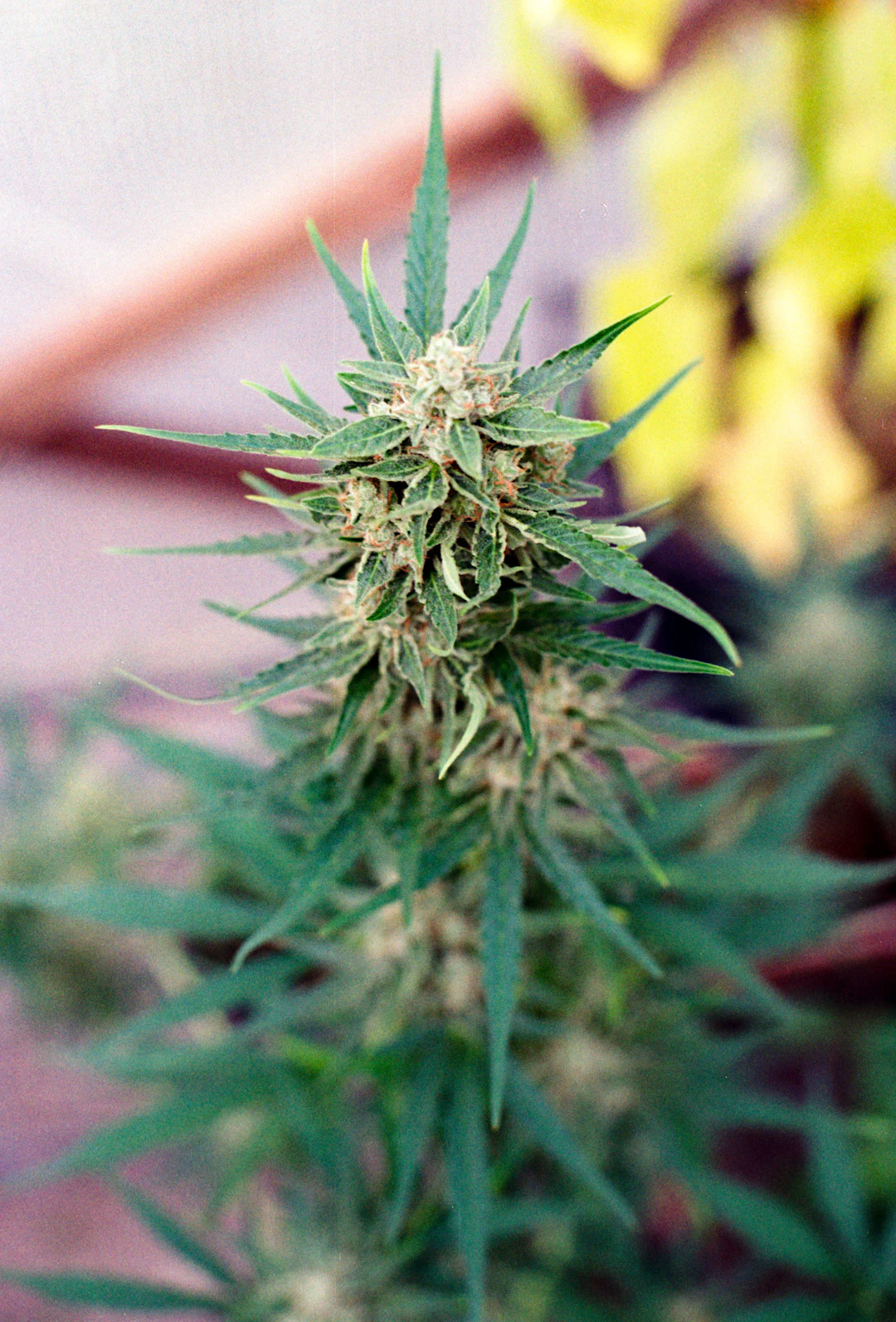
Cannabis consists of numerous components, among which are cannabinoids and terpenes. Cannabinoids are natural chemical compounds found in the cannabis plant. The most recognized cannabinoids are THC (tetrahydrocannabinol) and CBD (cannabidiol). THC is primarily known for its psychoactive properties, giving users the 'high' sensation often associated with marijuana. Conversely, CBD is non-psychoactive and is frequently sought after for its therapeutic properties.
Terpenes are aromatic compounds found in many plants, including cannabis, and contribute to its unique scent and flavor. Each cannabis strain contains different combinations of terpenes, which can influence the user's experience and the therapeutic benefits. Understanding these components can equip users with the knowledge required to pick strains that best suit their needs.
Potential Health Benefits of Cannabis
While opinions vary widely, numerous studies and anecdotal evidence suggest various health benefits associated with cannabis use. Here are some of the potential benefits:
Pain Relief: One of the most common reasons people explore cannabis is for pain management. Many individuals report that cannabis helps to alleviate chronic pain conditions, such as fibromyalgia and arthritis.
Reduced Anxiety and Depression: Some users have found that certain strains of marijuana can reduce symptoms of anxiety and depression, potentially improving quality of life.
Anti-Inflammatory Properties: CBD has shown promise in reducing inflammation, which can assist individuals with autoimmune disorders.
Cancer Treatment Support: While cannabis should not be seen as a cure for cancer, some studies suggest that it may help alleviate symptoms of chemotherapy, such as nausea and pain.
Improved Sleep: Many users find that cannabis can improve their sleep quality, addressing issues related to insomnia.
For a detailed exploration of these health benefits, visit Unlocking The Benefits Of Cannabis For Health And Wellness.
Understanding Cannabinoids: THC and CBD
To get a clearer picture of cannabis and its benefits, it’s vital to distinguish between THC and CBD, the two most prominent cannabinoids. While both interact with the body's endocannabinoid system, their effects vary significantly.
THC (Tetrahydrocannabinol)
THC is the psychoactive compound in cannabis, responsible for the euphoric 'high' effect. People often seek THC for its potential to:
Relieve pain
Stimulate appetite (often referred to as having the 'munchies')
Reduce nausea
Provide a sense of euphoria and relaxation
CBD (Cannabidiol)
In contrast, CBD does not produce a high and is often used for its medicinal properties without the psychoactive effects. Common reasons people use CBD include:
Reducing anxiety
Relieving chronic pain
Supporting mental clarity
Encouraging better sleep
To further explore the healing power of these compounds, consider visiting The Healing Power Of Terpenes.
Understanding Terpenes and Their Importance
While cannabinoids have received much attention, terpenes also play a crucial role in how cannabis interacts with the body. These compounds not only affect the aroma and flavor of cannabis strains but also have potential health benefits. Some of the well-known terpenes include:
Myrcene: Known for its earthy aroma and potential relaxing effects.
Limone: Characterized by a citrus scent, it is believed to have uplifting properties.
Linalool: Exhibits calming properties and is often associated with lavender.
Caryophyllene: Known for its spicy scent, it may help with inflammation.
To dive deeper into the world of terpenes, check out The Marvelous World Of Terpenes In Cannabis.
The Risks of Cannabis Use
While cannabis may offer various benefits, it is essential to recognize the potential risks. These can vary based on components, methods of use, and individual factors. Here are some risks to consider:
Psychological Effects: High doses of THC can lead to anxiety or paranoia, particularly in inexperienced users or those predisposed to mental health issues.
Impaired Motor Skills: Cannabis can impair coordination and reaction times, which can be dangerous while driving or operating machinery.
Addiction Potential: Although not everyone becomes dependent, it is possible to develop a cannabis use disorder.
Respiratory Issues: Smoking cannabis can lead to similar respiratory problems associated with tobacco use.
Legal Concerns: While cannabis has become legal in various places, it remains illegal in many areas, presenting potential legal repercussions for use.
The Legal Landscape of Cannabis
The legal status of cannabis varies widely across the globe and even within the United States. Some states have legalized cannabis for recreational and medicinal use, while others maintain strict prohibitions. It’s important to stay informed about your local laws if you are considering using cannabis. Understanding the legal landscape is vital to make informed choices about your health and wellness. For more insights, visit Understanding The Legal Landscape Of Cannabis And Health.
Finding the Right Strain for You
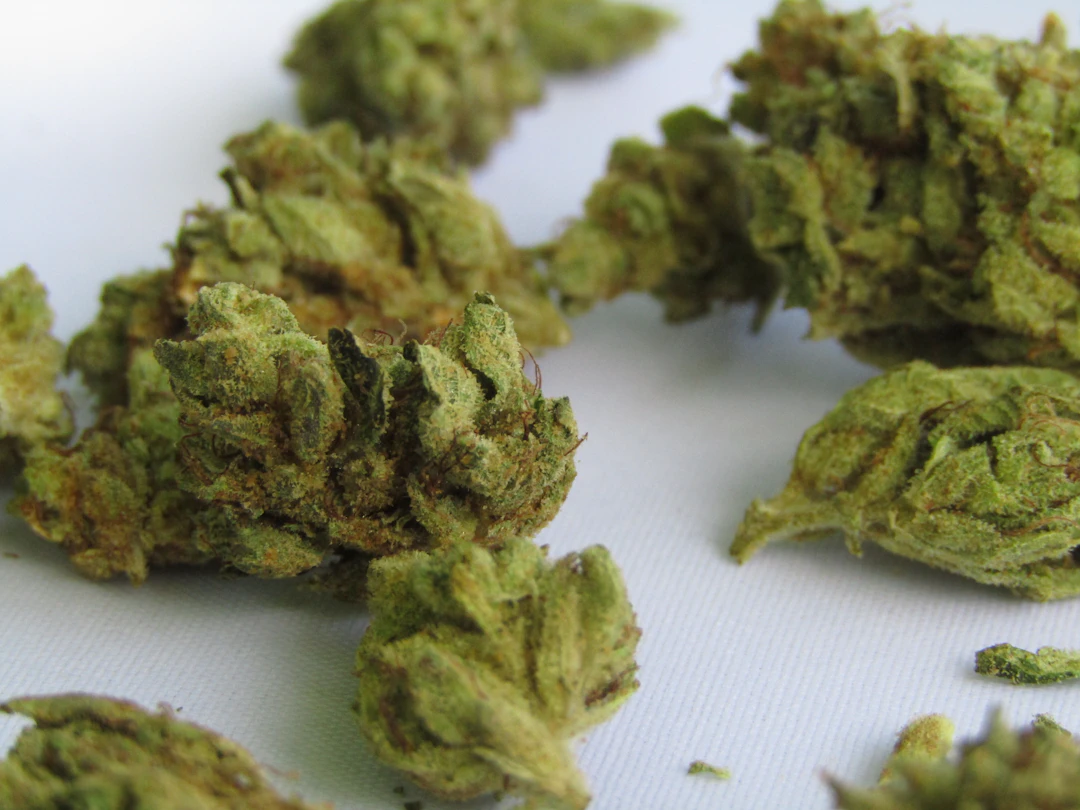
With countless cannabis strains available, choosing the right one can feel overwhelming. Each strain presents a unique profile of terpenes and cannabinoids that cater to different needs. Here are tips to help narrow your options:
Identify Your Goals: Determine if you seek relaxation, pain relief, or increased focus.
Consider THC and CBD Ratios: Analyze the balance of THC and CBD in different strains to match your preferences and tolerance.
Research Terpene Profiles: Different terpenes can enhance or diminish the effects of cannabinoids; finding strains high in your preferred terpenes can lead to a more tailored experience.
Future Prospects in Cannabis Research
As researchers continue to study cannabis, there is growing excitement around its potential applications in health and wellness. Upcoming research may unlock new understandings of how cannabis, cannabinoids, and terpenes can serve as effective treatments for a range of ailments. The potential impacts of cannabis on mental health, chronic pain, and various medical conditions are just starting to be revealed, suggesting a promising future for cannabis science. To stay updated on these developments, explore The Exciting Future Of Cannabis Research In Health And Wellness.
Embarking on Your Cannabis Journey
Understanding the risks and benefits associated with cannabis can help you make informed decisions about its use. Recognizing the complexities of cannabinoids, terpenes, the legal landscape, and personal health can guide you toward making choices that support your wellness journey. As cannabis continues to gain visibility and acceptance, staying educated and aware will ensure that you harness its potential in a safe and beneficial way.
FAQs
What are the main components of cannabis?
Cannabis consists mainly of cannabinoids and terpenes. The most recognized cannabinoids are THC (tetrahydrocannabinol) and CBD (cannabidiol), while terpenes contribute to the plant's aroma and flavor.
What are some potential health benefits of cannabis?
Potential health benefits of cannabis include pain relief, reduced anxiety and depression, anti-inflammatory properties, support for cancer treatment symptoms, and improved sleep quality.
What risks are associated with cannabis use?
Risks of cannabis use include psychological effects such as anxiety or paranoia, impaired motor skills, addiction potential, respiratory issues, and legal concerns depending on jurisdiction.
How does THC differ from CBD?
THC is the psychoactive component of cannabis known for producing a 'high', while CBD is non-psychoactive and is often used for its medicinal properties without causing intoxication.
What should I consider when choosing a cannabis strain?
When choosing a cannabis strain, consider your goals (e.g., relaxation or pain relief), the THC and CBD ratios, and the terpene profiles to match your preferences.

Comments