
The Transformative Benefits of CBD for Mental Health


Overview
CBD shows promise for improving mental health by reducing anxiety, stress, and depression, enhancing sleep, and supporting PTSD treatment. Unlike traditional medications, CBD offers a natural alternative with fewer side effects and quicker relief. The legality and quality of CBD products vary, making it essential to choose reputable sources. While generally well-tolerated, potential side effects exist, and consulting a healthcare professional is recommended before starting CBD.
Contents
In recent years, interest in Cannabis and its components has exploded, especially in the realm of mental health. Among these components, two of the most widely discussed are CBD (cannabidiol) and THC (tetrahydrocannabinol). While THC is known for its psychoactive effects, CBD has garnered attention for its potential therapeutic properties, particularly in the treatment of various mental health conditions. Understanding the benefits of CBD may unlock new pathways for improving mental well-being.
Understanding CBD and Its Relation to Mental Health
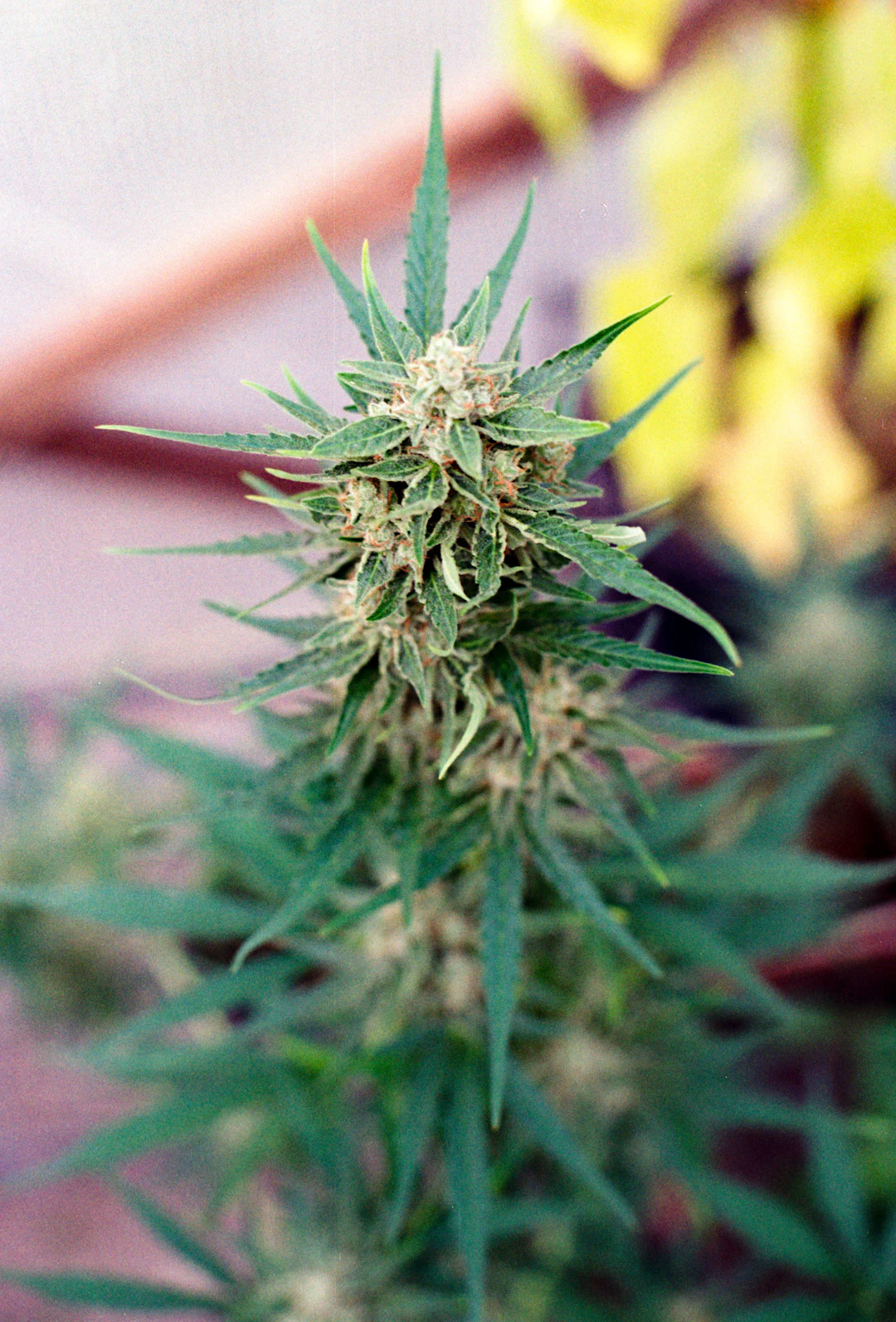
CBD is one of the numerous compounds found in the Cannabis sativa plant. Unlike its counterpart THC, CBD does not produce a high, which makes it an appealing option for those seeking relief without psychoactive effects. Research suggests that CBD interacts with the body’s endocannabinoid system, which plays a crucial role in regulating mood, anxiety, and overall emotional health.
How CBD Benefits Mental Health
The potential benefits of CBD for mental health are numerous, and ongoing research continues to provide insight into how it can enhance well-being. Here are some of the most compelling benefits:
Anxiety Reduction: One of the most well-documented benefits of CBD is its ability to alleviate symptoms of anxiety. Studies have shown that CBD can lead to noticeable reductions in anxiety levels for individuals with social anxiety disorder, panic disorder, and generalized anxiety disorder.
Stress Relief: CBD’s relaxing properties help in reducing stress. By modulating the body’s stress response, CBD can create a sense of calm and improve mental clarity, allowing individuals to cope better with stressors.
Improved Sleep: Quality sleep is crucial for mental health, and CBD has been found to help those struggling with insomnia or irregular sleep patterns. By promoting relaxation and reducing anxiety, CBD can lead to more restful sleep.
Depression Management: Early studies indicate that CBD may also have antidepressant-like effects, potentially offering an alternative for those seeking treatment for depression. Its ability to interact with serotonin receptors in the brain may contribute to its mood-stabilizing effects.
Support for PTSD: CBD is being researched as a treatment for post-traumatic stress disorder (PTSD). Initial findings suggest that it can help lessen the severity of the symptoms, making it a promising avenue for further exploration.
CBD Versus Traditional Medications
Many individuals facing mental health challenges turn to traditional medications such as SSRIs and benzodiazepines. While these medications can be effective, they often come with a range of side effects, including dizziness, nausea, and dependency risks. In contrast, CBD offers a natural alternative with a more favorable safety profile.
Moreover, traditional medications can take time to show effects, typically weeks or even months. In contrast, some users of CBD report immediate relief from anxiety and stress. This difference in onset time can play a crucial role in helping individuals manage acute episodes of anxiety or stress.
Terpenes and Their Role in CBD Products
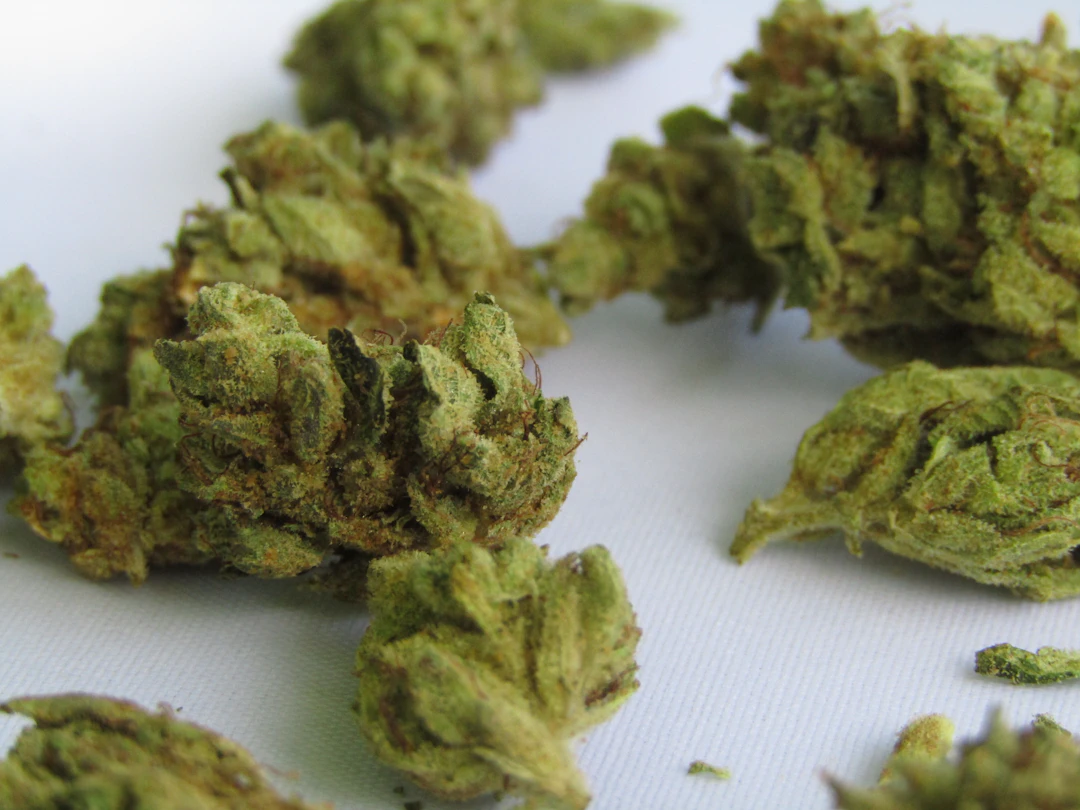
It’s important to note that the benefits of CBD can be amplified by the presence of other cannabinoids and terpenes, compounds that enhance the effects of CBD. Terpenes are aromatic compounds found in various plants, including cannabis, and are key to the unique scent and flavor profiles of different strains. Certain terpenes also possess therapeutic properties that can work synergistically with CBD.
For instance, a terpene called myrcene is known for its potential calming effects, making it a great match with CBD for those seeking stress relief. Similarly, linalool, which provides a floral aroma, may help manage anxiety. Understanding these interactions can help individuals choose the right CBD products for their specific needs.
Legal Considerations for CBD Use
The legality of CBD varies from state to state and country to country. In the United States, the emergence of the 2018 Farm Bill legalized hemp-derived CBD, provided it contains less than 0.3% THC. However, it’s essential for individuals to check local laws before purchasing or using CBD products.
Always ensure you are procuring CBD from reputable sources that provide lab-testing results, verifying the cannabinoid content and confirming the absence of harmful substances. Transparency in the manufacturing process is critical for ensuring product quality and safety.
How to Incorporate CBD into Your Routine
If you’re considering incorporating CBD into your mental health routine, here are several effective methods:
Oils and Tinctures: These can be taken sublingually for rapid effects. They are often favored for their quick absorption and dosage flexibility.
Edibles: Gummies and other food products are a tasty way to consume CBD, though they may take longer to take effect due to digestion time.
Capsules: For those who prefer a pill form, CBD capsules are easily digestible and provide a pre-measured dose.
Topicals: Creams and balms infused with CBD can be applied directly to the skin, offering localized relief for tension and discomfort.
Vaping: Inhalation offers the fastest relief, but it's important to consider the potential risks to lung health and select high-quality products.
Potential Side Effects and Considerations
While CBD is generally well-tolerated, it is not without potential side effects. Some users may experience light-headedness, dry mouth, or gastrointestinal issues. It’s crucial to start with a low dose and gradually increase it until a comfortable level is achieved. Always consult with a healthcare professional prior to starting any new supplement, especially if you are taking other medications or have underlying health issues.
Furthermore, due to the variability in the market, it’s vital to choose high-quality CBD products from reputed vendors. Look for products that have undergone third-party testing to ensure safety and efficacy.
Stories from Real People
The testimonials of individuals who have utilized CBD for mental health reasons tell powerful stories of transformation and hope. Many report that their experiences with anxiety and depression have improved significantly since incorporating CBD into their daily routines. They describe feeling calmer, more focused, and better equipped to handle life’s challenges.
For some, CBD has been a game-changer, allowing them to regain a sense of control over their lives. Whether used alone or as a complement to therapy and traditional treatments, the positive outcomes reported speak volumes about the potential of this extraordinary compound.
The Future of CBD in Mental Health Treatment
As interest continues to grow, research into the mental health benefits of CBD will likely expand. Ongoing studies aim to explore its efficacy, safety, and optimal dosages for various mental health issues. As the body of evidence grows, more healthcare providers may consider incorporating CBD into treatment plans, paving the way for integrative approaches to mental health.
Seeking Help and Support
If you’re struggling with mental health challenges, it’s essential to seek professional help. CBD can be a part of your wellness journey, but it should not replace traditional medical care. Always consult with a mental health professional to explore your options and determine a comprehensive treatment plan that fits your needs.
Incorporating CBD into your mental health regimen can open the door to new possibilities. With its potential for reducing anxiety, improving sleep, and supporting overall emotional well-being, CBD stands out as an ingenious ally for navigating life’s mental hurdles. As we continue to demystify cannabis and its myriad of products, one thing is clear: the future of mental health treatment is bright.
FAQs
What is CBD and how does it relate to mental health?
CBD, or cannabidiol, is a compound found in the Cannabis sativa plant that does not produce a high like THC. It interacts with the body's endocannabinoid system, which helps regulate mood, anxiety, and emotional health.
What are the benefits of using CBD for mental health?
CBD can help reduce symptoms of anxiety, alleviate stress, improve sleep quality, manage depression, and potentially support those with PTSD by lessening symptom severity.
How does CBD compare to traditional medications for mental health?
CBD offers a natural alternative to traditional medications, often providing faster relief from anxiety and stress without the side effects associated with medications like SSRIs and benzodiazepines.
Are there any potential side effects of using CBD?
Although CBD is generally well-tolerated, some users may experience side effects such as light-headedness, dry mouth, or gastrointestinal issues. It's important to start with a low dose and consult with a healthcare professional.
What should I consider before incorporating CBD into my routine?
It's crucial to check local laws on CBD use, choose high-quality products from reputable sources that provide lab testing results, and consult with a healthcare professional, especially if you are taking other medications.
Comments