
The Remarkable Journey of Cannabis in Medicine

Overview
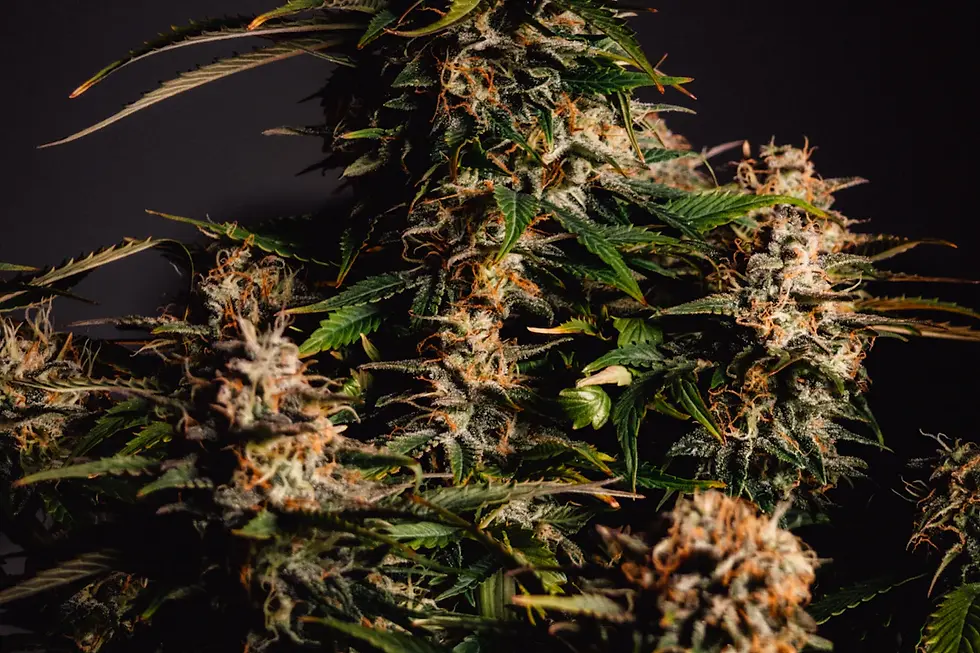
Cannabis has a long history in medicine, dating back to ancient China and other cultures. Key compounds like THC and CBD provide various therapeutic benefits, and the significance of terpenes is increasingly recognized. After a period of repression, interest in cannabis medicine has revived, leading to legalization and research in the 21st century. Ongoing studies continue to explore its potential in treating conditions like chronic pain and anxiety, highlighting the plant's evolving role in modern healthcare.
Contents
Cannabis has been a part of human history for thousands of years, and its medicinal qualities have been recognized for just as long. The history of cannabis in medicine is rich and varied, encapsulating ancient practices, scientific exploration, and the modern-day resurgence in interest. In this blog post, we’ll delve into the storied past of cannabis, examining its evolution, the role of cannabinoids like THC and CBD, the significance of terpenes, and the current landscape of cannabis research.
The Ancient Foundations of Cannabis Medicine
The history of cannabis use for medicinal purposes can be traced back to nearly 3000 BC, in regions that are part of modern-day China. The Chinese Emperor Shen Nong is often credited with being the first to document the medical properties of cannabis. He categorized it among hundreds of beneficial plants, highlighting its use in treating various ailments like gout, rheumatism, and malaria.
As the centuries rolled on, cannabis was embraced in different cultures around the globe. In India, the plant was known as "Bhang" and used in traditional Ayurvedic medicine to treat conditions like digestive disorders and pain. Egyptian papyrus documents from around 1550 BC also mention cannabis as a treatment for inflammation and pain.
The Role of Cannabinoids: THC and CBD
Central to the medicinal properties of cannabis are its active compounds known as cannabinoids. The two most well-known cannabinoids are THC (tetrahydrocannabinol) and CBD (cannabidiol). THC is primarily known for its psychoactive effects, which can provide relief from conditions such as chronic pain, nausea, and appetite loss.
On the other hand, CBD has garnered significant attention for its non-psychoactive therapeutic benefits. It has been reported to help alleviate anxiety, reduce inflammation, and even assist in seizure control. The growing research on cannabinoids has led to a renewed interest in cannabis as a legitimate form of therapy in modern medicine. For deeper insights, you might want to explore Unlocking The Benefits Of Cannabis For Health And Wellness.
The Transition to Western Medicine
Cannabis entered Western medicine in the 19th century, primarily thanks to the work of Irish physician William O'Shaughnessy. After studying in India, he returned to Europe and published several papers articulating the therapeutic advantages of cannabis. His findings sparked interest among physicians and led to the inclusion of cannabis in pharmacopoeias across Europe and America.
During this time, cannabis tinctures became popular, prescribed for a multitude of ailments, including anxiety, insomnia, and muscle spasms. However, the enthusiasm was short-lived. By the early 20th century, the stigmatization of cannabis began. Social and political factors, including the rise of the temperance movement and fear-mongering campaigns, deemed cannabis dangerous, leading to its prohibition in many countries.
The Dark Ages of Cannabis
The mid-20th century marked a period of repression for cannabis, as the War on Drugs firmly established it as an illicit substance. During this era, the medical research into cannabis virtually halted, and the plant fell victim to misinformation and stigma. However, while prohibition was in full swing, anecdotal evidence continued to circulate on the plant’s effectiveness in treating a host of conditions.
During the late 20th century and early 21st century, a significant shift occurred. Advocates for cannabis began to study its therapeutic benefits seriously, leading to a resurgence in interest. This period also saw the identification and isolation of individual cannabinoids and terpenes, further propelling research into their specific effects.
The Science Behind Cannabis: Terpenes and Their Benefits
While THC and CBD often take center stage in discussions about cannabis, terpenes play a crucial role in contributing to the plant's overall effects. Terpenes are organic compounds that not only lend cannabis its distinct aroma and flavor but also work synergistically with cannabinoids to enhance their therapeutic aspects. For example, myrcene is known for its sedative qualities, while limonene may help with anxiety reduction.
The entourage effect describes how these components interact with one another, suggesting that whole-plant medicine may provide far greater benefits than isolated compounds. To dive deeper into the world of terpenes and their health benefits, consider checking out The Healing Power Of Terpenes: Unlocking The Secrets For Health And Wellness.
The Revival of Medical Cannabis in the 21st Century
The tides began to shift dramatically in the late 20th century. A growing body of evidence, along with patient testimonials, highlighted cannabis's potential in treating chronic pain, cancer-related symptoms, epilepsy, and other conditions. By the early 2000s, several U.S. states had legalized medical cannabis, paving the way for more extensive research and wider acceptance.
As states began to establish medical cannabis programs, patients were given access to cannabis products for tailored treatment regimens. This grassroots movement driven by patients’ needs prompted medical professionals to advocate for research and education, emphasizing the importance of scientifically backed evidence. The results have revealed potential avenues for treating various conditions with cannabinoids, whether used alone or in conjunction with traditional therapies.
The Future of Cannabis Research and Medicine
Today, research into cannabis and its compounds continues to expand, unlocking potential therapies previously thought unattainable. New studies are examining the effectiveness of cannabis in treating chronic pain, PTSD, and neurodegenerative diseases. The medical community is learning that cannabis can be a valuable tool in holistic approaches to healthcare, integrating seamlessly with more traditional practices.
The demand for cannabis-based therapies has led to a re-evaluation of outdated perceptions regarding the plant, as well as changes to legislation in various regions. The exciting future of cannabis research promises not only to enhance our understanding of cannabinoids but also to develop innovative products that can improve health outcomes. If you're interested in keeping up with the latest on cannabis research, check out The Exciting Future Of Cannabis Research In Health And Wellness.
A World of Possibilities Awaits
The story of cannabis in medicine continues to evolve, with an ever-growing body of evidence supporting its therapeutic benefits. As scientific understanding deepens, the stigma surrounding cannabis diminishes, allowing for greater acceptance and usage in medical contexts. The blend of ancient wisdom and modern science creates a canvas of possibilities for future cannabis research and potential treatments.
As we navigate through the complexities of cannabis and its myriad components—from cannabinoids like THC and CBD to beneficial terpenes—we uncover a treasure trove of potential therapies. The journey of cannabis in medicine is far from over; it has only begun to unfold. By embracing the healing potential of cannabis, we pave the way for a healthier, more informed society.
FAQs
What is the history of cannabis in medicine?
Cannabis has been used for medicinal purposes for thousands of years, dating back to nearly 3000 BC in regions that are now part of modern-day China. Its medicinal properties were documented by ancient cultures, including the Chinese, Indians, and Egyptians.
What are cannabinoids and their significance?
Cannabinoids are active compounds in cannabis, with THC (tetrahydrocannabinol) known for its psychoactive effects and CBD (cannabidiol) recognized for its non-psychoactive therapeutic benefits. They play a central role in the medicinal properties of cannabis.
How did cannabis transition into Western medicine?
Cannabis was introduced into Western medicine in the 19th century by Irish physician William O'Shaughnessy, who published research on its therapeutic benefits. Its use peaked with tinctures for various ailments before facing stigmatization in the 20th century.
What role do terpenes play in cannabis?
Terpenes are organic compounds that contribute to cannabis's aroma and flavor, and they work synergistically with cannabinoids to enhance therapeutic effects. The entourage effect suggests that whole-plant medicine may provide greater benefits than isolated compounds.
What does the future hold for cannabis research and medicine?
Research on cannabis and its compounds is expanding, exploring potential therapies for chronic pain, PTSD, and neurodegenerative diseases. As understanding and acceptance of cannabis grow, it promises to become a valuable tool in holistic healthcare.

Comments