
The Myths and Facts About Cannabis and Addiction


Overview
Cannabis is a debated topic in wellness, with many myths about its use and addiction potential. Key points include: cannabis is less addictive than many substances, it's not a gateway to harder drugs, it has therapeutic properties, THC and CBD serve different purposes, and terpenes play a significant role in its effects. Understanding these factors can help individuals make informed choices about cannabis in their wellness routines.
Contents
Cannabis has emerged as one of the most debated subjects in modern wellness. With changing legal landscapes and increasing acceptance, myths surround cannabis use, especially regarding its potential for addiction. In this article, we will explore various myths and facts to help you develop a better understanding of cannabis, its components like THC and CBD, along with terpenes and cannabinoids that contribute to its unique properties.
Understanding Cannabis: A Brief Overview
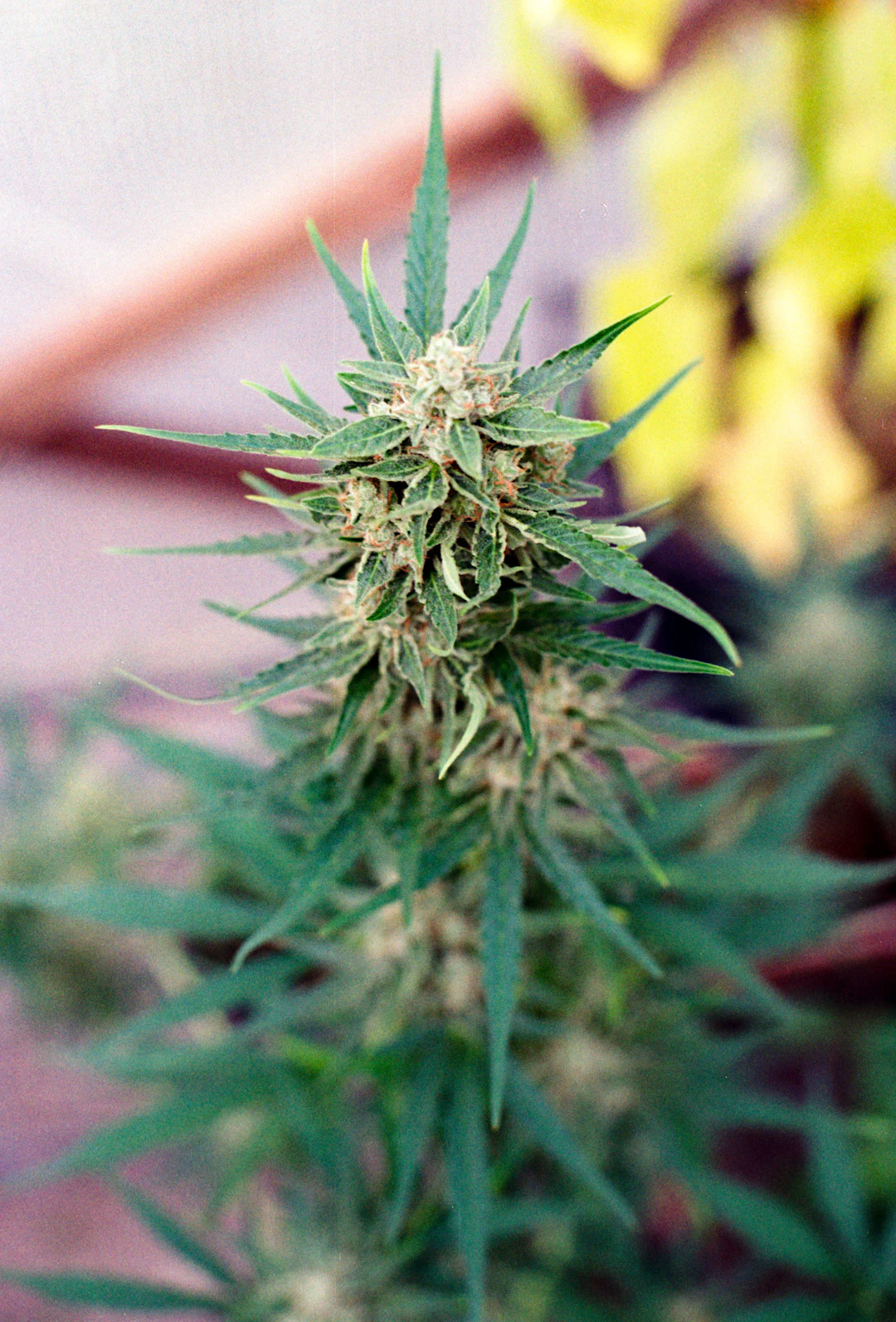
Cannabis is a plant species with a rich history of use in various cultures for medicinal and recreational purposes. Its primary compounds, cannabinoids, interact with the body’s endocannabinoid system to produce various effects. The most well-known cannabinoids are THC (tetrahydrocannabinol) and CBD (cannabidiol). THC is responsible for the psychoactive effects of cannabis, while CBD is non-psychoactive and has garnered attention for its potential health benefits.
Additionally, the role of terpenes is becoming increasingly recognized in the discussion surrounding cannabis. These aromatic compounds contribute to the distinct smells and flavors of different cannabis strains and may also have therapeutic effects. To delve deeper into the fascinating world of terpenes, check out The Healing Power Of Terpenes Unlocking The Secrets For Health And Wellness.
Myth 1: Cannabis is Highly Addictive
One of the most prevalent myths is that cannabis is equally addictive as other substances, such as alcohol or opioids. Recent studies suggest that while cannabis can be habit-forming for some individuals, the overall addiction rates are significantly lower than many other common substances. According to the National Institute on Drug Abuse, about 9% of cannabis users may develop an addiction, while numbers for alcohol and tobacco are much higher.
Myth 2: Cannabis Leads to Harder Drugs
Another widespread belief is that using cannabis will inevitably lead to the use of more dangerous drugs. This myth, often referred to as the "gateway drug" theory, is largely unfounded. Numerous factors contribute to substance abuse, including genetic predisposition, environment, and personal circumstances. Cannabis use alone does not directly cause individuals to seek out harder substances. Studies indicate that many cannabis users do not transition to harder drugs and instead consume cannabis for its potential health benefits.
Fact 1: Cannabis has Therapeutic Properties
There's a growing body of evidence supporting the therapeutic application of cannabis in managing various health conditions. Conditions such as chronic pain, anxiety, and even some neurological disorders have shown responsiveness to cannabis treatments. A report from the National Academies of Sciences, Engineering, and Medicine indicated substantial evidence that cannabis may alleviate chronic pain and improve symptoms of multiple sclerosis.
For those looking to understand how cannabis can fit into a wellness routine, check out Unlocking The Benefits Of Cannabis For Health And Wellness.
Myth 3: All Cannabinoids are the Same
With numerous cannabis products on the market today, it's essential to understand that not all cannabinoids are created equal. THC and CBD interact differently with the endocannabinoid system and produce varied effects. THC is known for producing euphoric sensations while CBD is often chosen for its calming and anti-inflammatory benefits.
Moreover, the entourage effect suggests that cannabis compounds work together synergistically for improved effects. Understanding these differences helps individuals tailor their cannabis use for specific health outcomes.
Fact 2: CBD and THC Have Distinct Properties
The distinction between THC and CBD is essential for anyone looking to integrate cannabis into their wellness plan. While THC can lead to psychoactive effects, CBD is valued for its ability to relieve anxiety and improve overall well-being without inducing a high, making it more appealing to some users.
Myth 4: Cannabis Destroys Brain Cells
Concerns about cannabis damaging brain cells have been widely publicized. However, the scientific community has largely debunked this myth. Studies indicate that while heavy and prolonged use may impact cognitive functions, any potential damage is not as acute as once believed. Moreover, some research points out that CBD may even promote neurogenesis, the formation of new neurons in the brain.
Understanding Terpenes in Cannabis
While many people focus solely on cannabinoids, terpenes are also vital in understanding cannabis. These compounds not only influence flavor and aroma but also interact with cannabinoids to produce unique effects. Different strains have various combinations of terpenes, leading to distinct experiences for users.
For an insightful dive into the health benefits of terpenes, you might want to explore The Marvelous World Of Terpenes In Cannabis Unlocking Health Benefits.
Fact 3: Cannabis Can Be Part of a Healthy Lifestyle
Integrating cannabis into a routine can be beneficial for many people. It can complement various lifestyle and wellness practices, including exercise, mindfulness, and nutrition. More athletes are recognizing the potential of cannabis and its compounds, especially following intense workouts. The combination of THC, CBD, and terpenes can promote faster recovery and alleviate exercise-related soreness.
Myth 5: All Forms of Cannabis Are Equal
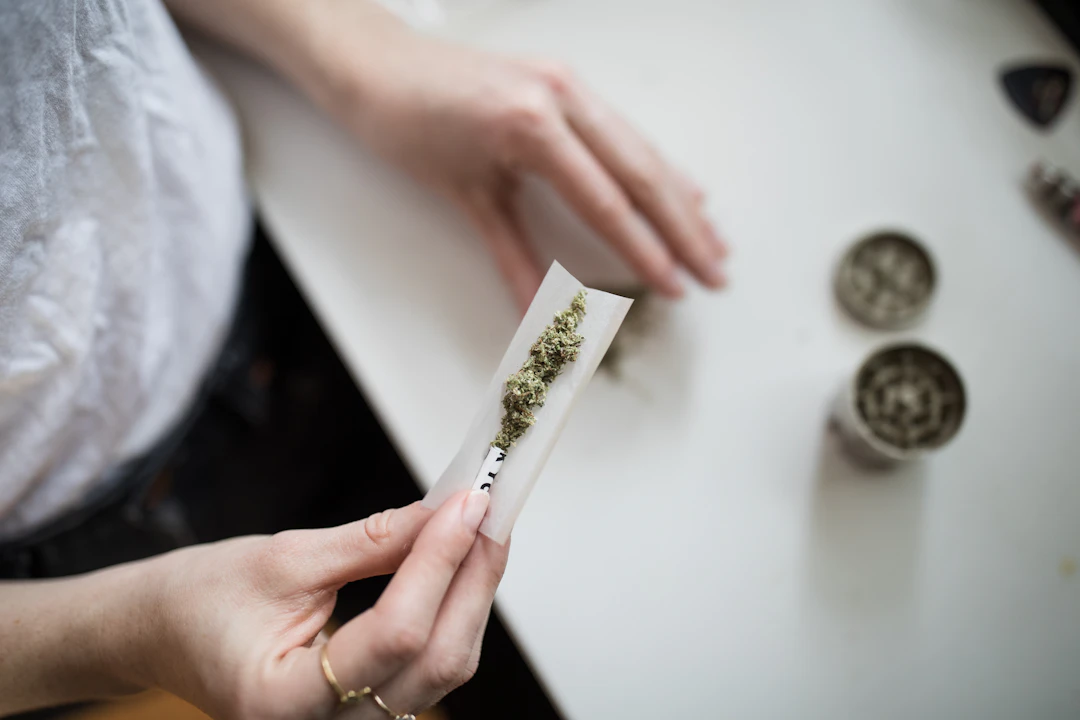
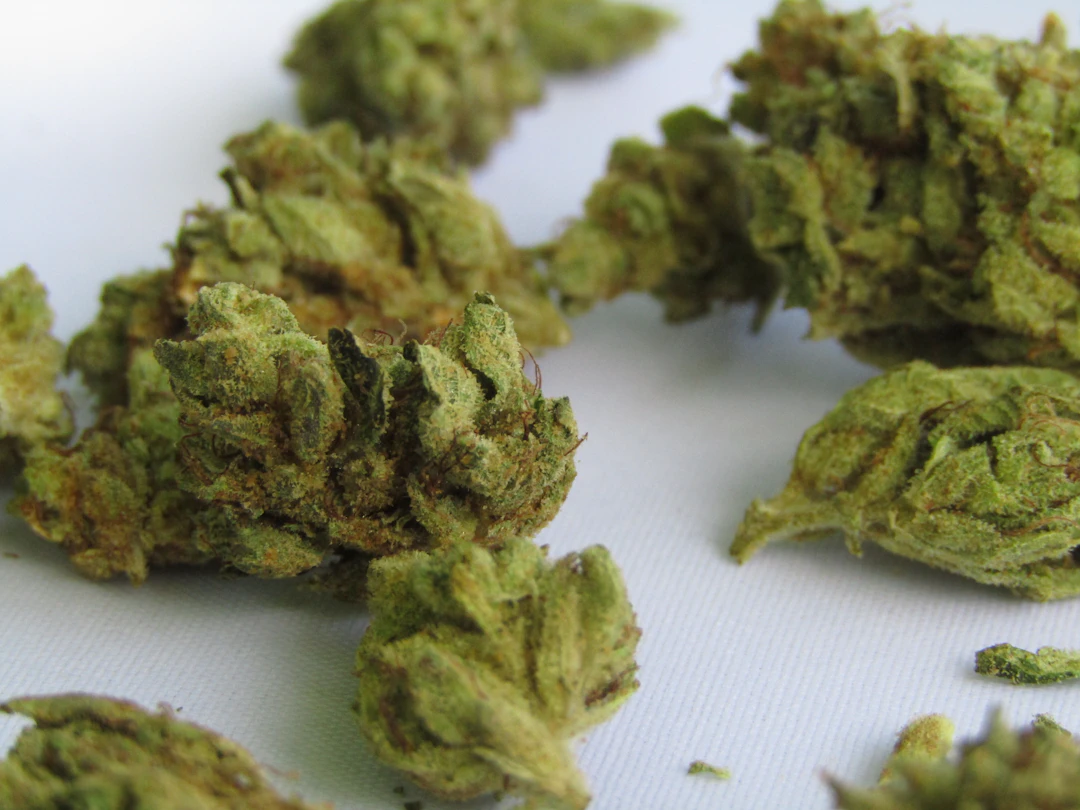
Another myth is that all cannabis products (flower, oils, edibles, etc.) provide the same effects. Each consumption method brings varied onset times, intensities, and durations of effects. For instance, smoking or vaporizing delivers effects much faster compared to edibles, which can take longer to produce effects but often last longer once they do. Understanding these differences is crucial for tailored use.
The Role of Cannabis in Mental Health
The conversation around cannabis and mental health continues to evolve. Research has emerged suggesting that CBD may play a role in alleviating symptoms of anxiety, depression, and PTSD. However, responses to cannabis differ widely among individuals; while some may find relief, others may exacerbate their conditions. Therefore, it is vital for users to stay mindful and consult healthcare professionals when considering cannabis for mental health.
The Future Looks Bright for Cannabis Research
As the world becomes more accepting of cannabis, the potential for research is expanding rapidly. From understanding cannabis’ therapeutic properties to the role of specific cannabinoids and terpenes, future studies will cover a broad spectrum of topics. The intersection of cannabis and various health disciplines promises to identify previously unexplored health benefits.
Explore some of these possibilities in The Exciting Future Of Cannabis Research In Health And Wellness.
Why Knowledge is Power: A New Perspective on Cannabis
Addressing myths and focusing on facts regarding cannabis and addiction allows users to make informed decisions about their health and wellness. Understanding the differences between THC, CBD, terpenes, and cannabinoids is fundamental for anyone exploring the world of cannabis. As research continues to evolve, we expect to uncover even more about how cannabis can enhance our lives, ensuring that we respect its potential while dispelling myths that can misguide us.
The discussion about cannabis is far from finished, and with each myth we debunk, we empower ourselves and others to approach cannabis with an informed mindset. As cannabis becomes an integral part of modern wellness, staying on the path of discovery will undoubtedly lead to transformative experiences.
FAQs
Is cannabis highly addictive?
While cannabis can be habit-forming for some individuals, its overall addiction rates are significantly lower than many other substances, such as alcohol and tobacco.
Does using cannabis lead to harder drug use?
The belief that cannabis is a 'gateway drug' is largely unfounded; various factors contribute to substance abuse, and cannabis use alone does not directly cause individuals to seek out harder substances.
What are the distinct properties of CBD and THC?
THC is known for its psychoactive effects, while CBD is non-psychoactive and often chosen for its calming and anti-inflammatory benefits.
Can cannabis damage brain cells?
Research has largely debunked the myth that cannabis destroys brain cells; while heavy use may impact cognitive functions, CBD may even promote the formation of new neurons.
Are all cannabis products the same?
No, different cannabis products, such as flower, oils, and edibles, have varying onset times, intensities, and durations of effects, making it crucial to understand these differences.
Comments