
Safe Practices: Responsible Use of Cannabis for Health


Overview
Cannabis is gaining recognition for its health benefits as legalization increases. Responsible use is crucial, involving education, consultation with healthcare professionals, proper dosing, and awareness of local laws. Key components include THC and CBD, each with unique effects, as well as terpenes that enhance therapeutic benefits. When integrating cannabis into your wellness routine, set clear goals, choose appropriate strains, and regularly evaluate your approach to maximize benefits while ensuring safety.
Contents
Cannabis, once a taboo subject, is now gaining recognition for its potential health benefits. The increasing legalization and acceptance of cannabis have opened doors for research that reveals the positive effects of various compounds found in the plant, such as cannabinoids and terpenes, on health and wellness. However, with these advancements comes the need for responsible use to ensure safe practices. In this article, we’ll explore what responsible cannabis use looks like for health, and how to integrate cannabis thoughtfully into your wellness routine.
Understanding Cannabis and Its Components
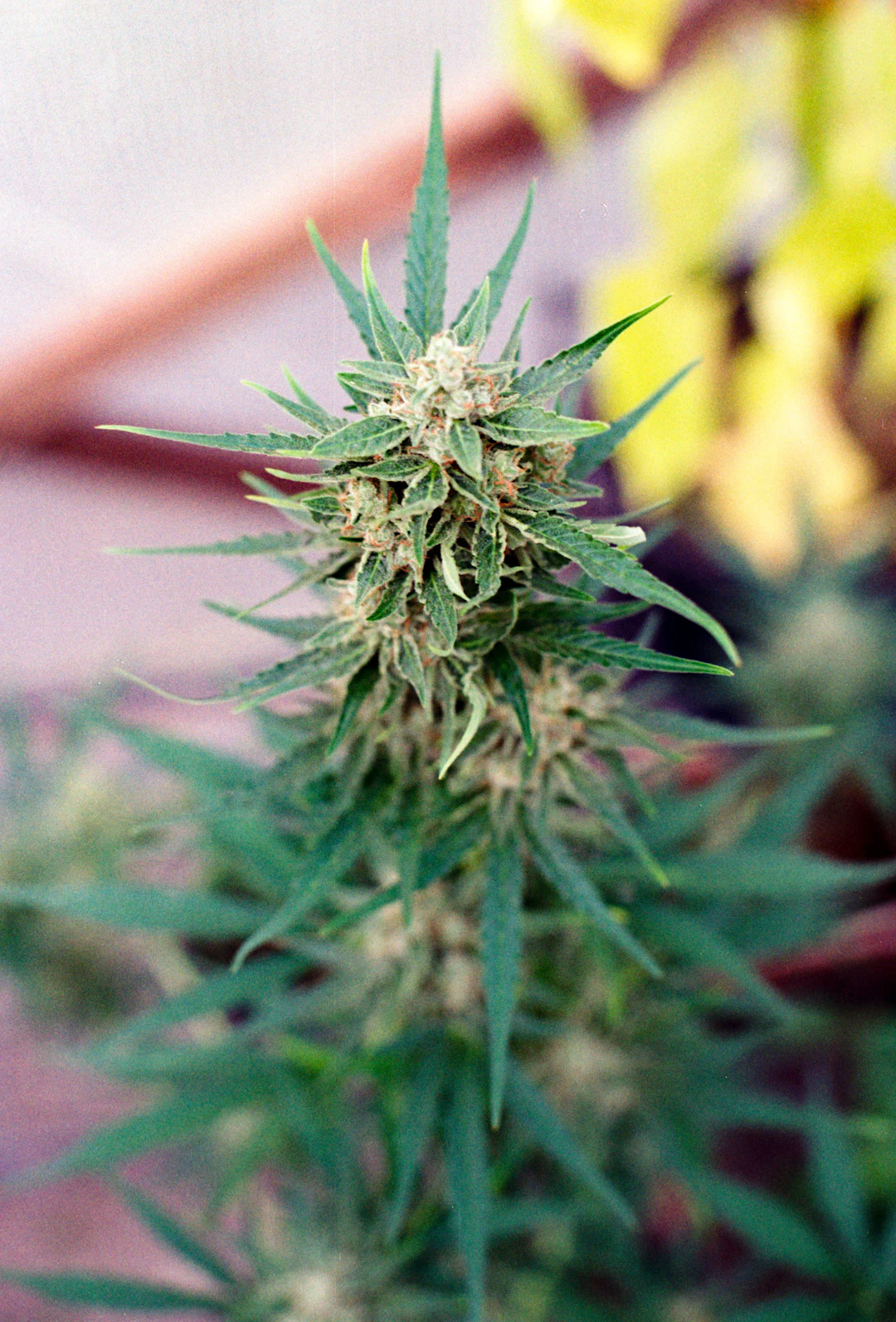
Before diving into safe practices, it’s essential to understand the basic components of cannabis. The two most well-known cannabinoids are THC (tetrahydrocannabinol) and CBD (cannabidiol). THC is the psychoactive compound responsible for the "high" associated with cannabis, while CBD is non-psychoactive and is often touted for its therapeutic benefits.
THC: Well-known for its euphoric effects, THC can also help with pain relief, nausea, and appetite stimulation.
CBD: With its rapid rise in popularity, CBD is recognized for its potential benefits in reducing anxiety, inflammation, and seizures.
Another vital aspect of cannabis that deserves attention is terpenes. Terpenes are aromatic compounds found in cannabis and many other plants, contributing to the unique flavors and scents of different strains. They also possess potential therapeutic benefits, depending on their chemical profiles. This diverse array of compounds makes cannabis a complex plant with various potential health impacts.
Responsible Use of Cannabis
Integrating cannabis into your health regimen can be beneficial, but it must be done responsibly. Here are several key practices to consider when using cannabis for health:
1. Start with Education
The first step in responsible cannabis use is education. Learn about different strains, cannabinoid profiles, and the therapeutic benefits associated with each. Understanding the effects of THC and CBD can empower you to make informed decisions tailored to your needs. For further insights, consider reading this essential guide on safe cannabis use.
2. Consult a Healthcare Professional
Always consult with a healthcare professional before starting any new health regimen involving cannabis, especially if you're currently taking medications or have existing health conditions. Healthcare providers can provide personalized recommendations based on your medical history and health goals.
3. Know Your Dose
When it comes to cannabis, less is often more. Begin with a low dose and gradually increase it until you find what works best for you. Both THC and CBD have unique effects, and the optimal dosage can vary based on individual tolerance levels.
4. Choose Quality over Quantity
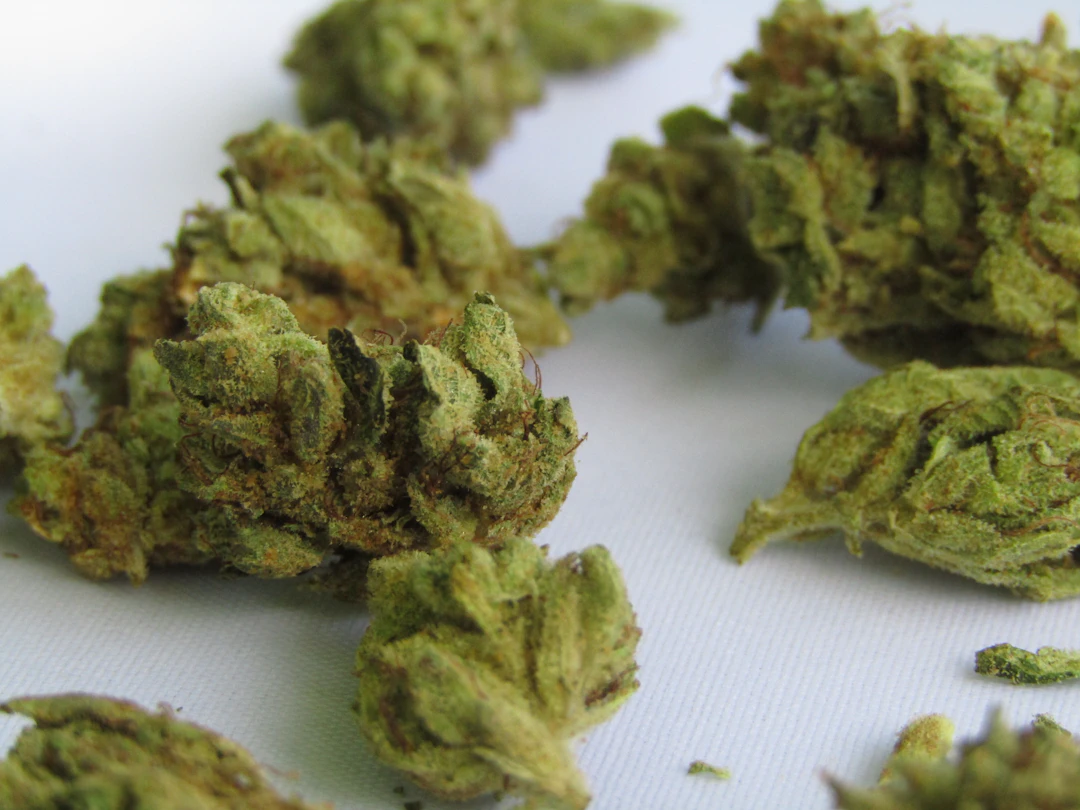
For optimal results, select high-quality cannabis products from reputable sources. Understand the source and strain of the cannabis you are using; look for third-party tested products that provide lab results showcasing the cannabinoid and terpene profiles.
5. Consume Mindfully
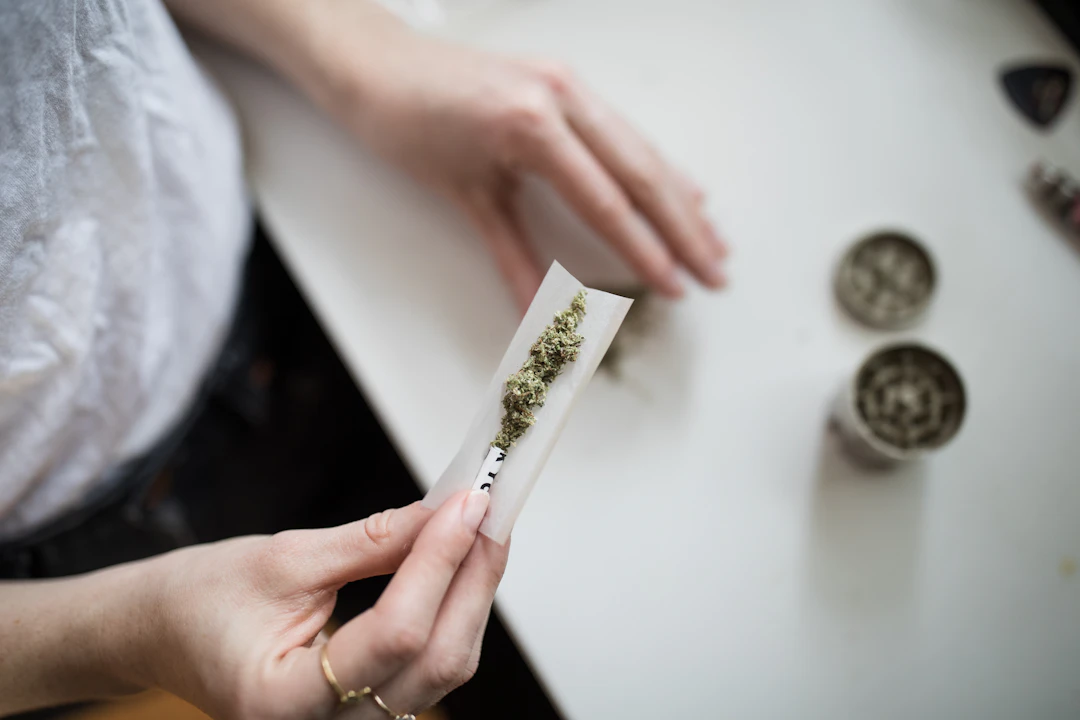
Pay attention to how cannabis consumption affects you. Whether you choose to smoke, vape, or use edibles, being mindful of your physical and emotional responses will help you gauge the effectiveness of cannabis in your health regimen.
6. Respect Local Laws
Each state or region has its laws concerning the use of cannabis. Make sure you are aware of these regulations to remain compliant and responsible in your use. This is particularly important for users who may be traveling.
Exploring the Health Benefits of Cannabis
Cannabis has shown promise in alleviating various health conditions. Some of the notable benefits include:
Pain Management: Patients often turn to cannabis as an alternative or complement to traditional pain medications.
Reducing Anxiety: CBD, in particular, has been studied for its potential to reduce anxiety without the intoxicating effects commonly associated with THC.
Improving Sleep: Cannabis may help treat insomnia and other sleep disorders due to its relaxing effects.
Appetite Stimulation: THC is known to increase appetite, which can be particularly helpful for patients undergoing treatments like chemotherapy.
To delve deeper into the healing properties of cannabis, you may explore this comprehensive article on cannabis and wellness.
The Role of Terpenes in Enhancing Cannabis Effects
Beyond cannabinoids, terpenes play a crucial role in the therapeutic potentials of cannabis. Each terpene has unique qualities that can enhance the effects of cannabinoids through a phenomenon known as the "entourage effect." Here are some well-known terpenes and their potential benefits:
Limonene: Often found in citrus fruits, it may aid in stress relief and mood elevation.
Myrcene: Known for its sedative effects, it could provide relaxation and pain relief.
Pinene: Can help with alertness, and may act as an anti-inflammatory.
Caryophyllene: Unique as it interacts with cannabinoid receptors, it may assist in pain relief and inflammation.
The study of terpenes and their interactions with cannabinoids is still evolving. For a deeper understanding, we invite you to read this insightful exploration of terpenes.
Sharing Experiences and Building Community
The cannabis community is rich with personal stories and experiences. Real-life testimonials can provide valuable insights into how different individuals have found relief and benefits through responsible cannabis use. Engaging with these narratives can help normalize discourse surrounding cannabis and lead to better understanding and practices within your own health regimen. To be inspired, check out these transformative testimonials.
Creating a Personal Wellness Plan with Cannabis
Crafting a personal wellness plan that incorporates cannabis requires balance and self-awareness. Here are steps to consider when developing your personalized plan:
1. Identify Your Goals
Consider what health concerns you want to address with cannabis. Whether it’s managing chronic pain, alleviating anxiety, improving sleep, or simply enhancing your wellness routine, having a clear goal can help guide your cannabis use.
2. Choose the Right Strain
Research different cannabis strains to find those that align with your health objectives. Whether you prefer a high-THC or high-CBD strain, understanding the differences can significantly impact your experience and results.
3. Set a Routine
Incorporate cannabis into a regular routine to help monitor its effects on your health. Keeping a journal can help you record how you feel and any benefits you experience.
4. Evaluate and Adjust
Allow yourself space to evaluate the effectiveness of your cannabis routine. If you’re not achieving the desired results, don’t hesitate to adjust your approach.
Embracing the Future of Cannabis in Health
As research continues to evolve, the future of cannabis in health and wellness looks promising. Advances in understanding how cannabinoids and terpenes work together may lead to innovative treatments and therapies. It's essential for users to stay updated on emerging research and ethical practices in the cannabis space. The intersection of health and cannabis advocacy encourages a more informed and compassionate approach to responsible use.
With a thoughtful approach to cannabis, you can unlock its potential for enhancing your health and well-being while practicing responsible and safe consumption. The journey begins with knowledge, mindfulness, and community engagement, ensuring your use of cannabis contributes positively to your overall wellness.
FAQs
What are the main components of cannabis that impact health?
The main components of cannabis that impact health are cannabinoids, primarily THC (tetrahydrocannabinol) and CBD (cannabidiol), as well as terpenes, which are aromatic compounds that contribute to the unique effects and benefits of different cannabis strains.
Why is it important to consult a healthcare professional before using cannabis?
Consulting a healthcare professional is crucial because they can provide personalized recommendations based on your medical history, existing health conditions, and any medications you may be taking, helping you to use cannabis safely.
How should someone determine the right dose of cannabis for their needs?
To determine the right dose of cannabis, it's recommended to start with a low dose and gradually increase it while monitoring how it affects you. Individual tolerance can vary, so finding the optimal dosage may take time.
What should be considered when selecting cannabis products?
When selecting cannabis products, prioritize quality over quantity by choosing high-quality products from reputable sources. Look for third-party tested items that provide lab results showcasing the cannabinoid and terpene profiles.
What steps can be taken to create a personal wellness plan with cannabis?
To create a personal wellness plan with cannabis, identify your health goals, choose the right strain that aligns with those objectives, set a routine for use, and regularly evaluate and adjust your approach based on your experiences and results.
Comments