
Harnessing Nature's Relief: How Cannabis Can Help with Chronic Pain Conditions

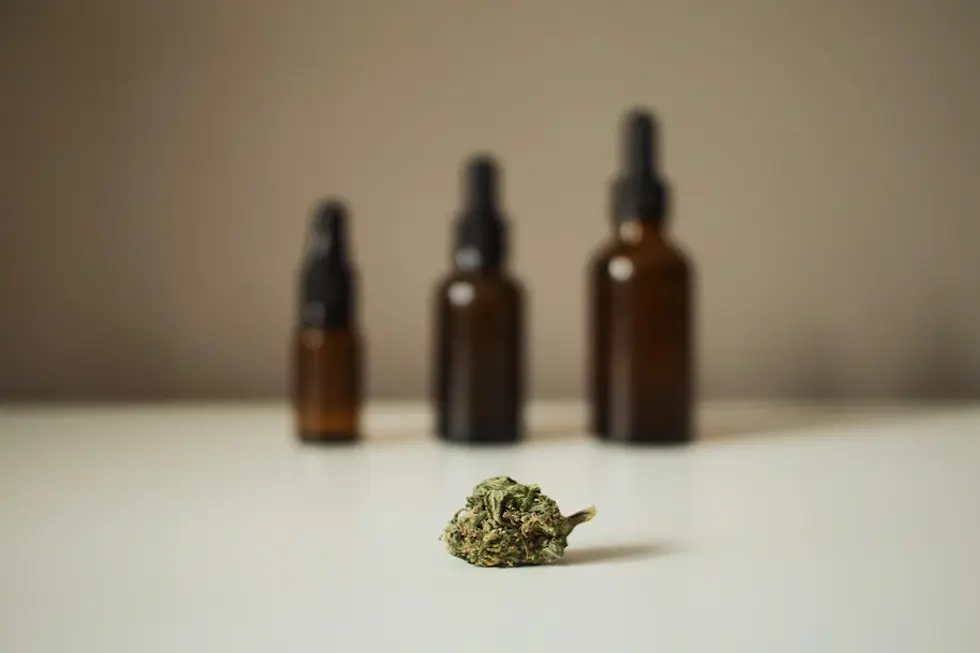
Chronic pain is one of the most prevalent health issues affecting millions of individuals around the globe. From arthritis to fibromyalgia, the discomfort can often diminish your quality of life. Traditional pain management options may not always be effective, and many individuals are seeking alternative treatments. This is where cannabis comes into play as a potential solution. This article explores how cannabis, including its compounds like cannabinoids and terpenes, can address chronic pain conditions.
The Science Behind Cannabis and Pain Relief
Cannabis is a plant that contains over 100 different compounds known as cannabinoids, with the two most well-known being THC (tetrahydrocannabinol) and CBD (cannabidiol). These compounds interact with the body's endocannabinoid system (ECS), which plays a crucial role in regulating pain, mood, and various other physiological processes.
The ECS comprises receptors (CB1 and CB2) that when activated by cannabinoids, can alleviate pain signals in the brain and body. This interaction can particularly benefit patients suffering from chronic pain, providing an alternative to traditional pain relievers that often come with unwanted side effects.
Benefits of THC in Chronic Pain Management
THC is well-known for its psychoactive effects, but it also possesses significant analgesic properties. Research has shown that THC can help reduce pain by:
Modulating pain pathways in the brain
Reducing inflammation
Enhancing the release of other endogenous pain-relieving compounds in the body
Patients with conditions such as multiple sclerosis, cancer, and neuropathic pain often report significant relief when using THC-rich cannabis products. Some clinical studies suggest that THC can effectively manage conditions that typically resist common over-the-counter and prescription medications.
The Role of CBD in Pain Relief
CBD has surged in popularity, thanks in part to its non-psychoactive nature and diverse therapeutic properties. It offers various benefits for chronic pain management, including:
Reducing inflammation: CBD has anti-inflammatory properties that can help diminish pain-causing inflammation.
Decreasing joint pain: Studies have shown that CBD can effectively relieve symptoms of arthritis and related conditions.
Improving sleep: Chronic pain often leads to sleep disturbances. CBD has shown promise in enhancing sleep quality, thereby helping individuals cope better with pain.
Some patients prefer CBD for pain relief due to its minimal side effects compared to traditional pharmaceuticals. As a result, many wellness enthusiasts are exploring CBD oils, capsules, and topical creams as viable alternatives for their chronic pain conditions.
The Power of Terpenes in Enhancing Efficacy
Terpenes are aromatic compounds found not only in cannabis but also in various plants, flowers, and even fruits. They contribute to the unique scents and flavors of different cannabis strains and play a crucial role in enhancing the therapeutic effects of cannabinoids through a phenomenon known as the "entourage effect."
Some terpenes that show promise in relieving pain include:
Caryophyllene: Known for its peppery scent, caryophyllene has anti-inflammatory properties and can directly interact with cannabinoid receptors.
Limonene: This citrus-scented terpene is believed to boost mood and alleviate stress, which can, in turn, help reduce pain levels.
Myrcene: Exhibiting sedative effects, myrcene can help relax muscles and ease tension, making it ideal for those suffering from chronic pain conditions.
By using full-spectrum cannabis products that contain a variety of terpenes, users may enhance the efficacy of cannabinoids, leading to improved pain relief outcomes.
Methods of Consumption: How to Use Cannabis for Chronic Pain
When seeking relief from chronic pain, there are several methods to consume cannabis. The best method often depends on personal preference and the nature of the pain. Below are popular consumption methods:
1. Inhalation
Smoking or vaporizing cannabis allows for rapid absorption into the bloodstream, delivering immediate relief. This method is particularly useful for breakthrough pain — sudden flare-ups requiring quick relief.
2. Edibles
Cannabis-infused edibles, such as gummies or baked goods, offer longer-lasting effects. However, the onset time is slower, typically ranging from 30 minutes to 2 hours. Edibles can be beneficial for consistent pain management throughout the day.
3. Topicals
For localized pain, cannabis-infused topicals like creams and balms can be applied directly to the skin. This method avoids psychoactive effects while allowing cannabinoids to penetrate the skin and interact with receptors in the underlying tissue.
4. Tinctures
Cannabis tinctures are concentrated extracts that can be taken sublingually (under the tongue) for fast absorption. They provide a discreet consumption option with easily adjustable dosing capabilities.
Legal Considerations and Getting Started
Before incorporating cannabis into a chronic pain management regimen, it’s essential to consider the legal status of cannabis in your state or country. Cannabis is legal in many areas for medical use, but regulations vary widely. Always research local laws to ensure compliance.
Consulting with a healthcare professional is also advisable, particularly if you have underlying health conditions or take other medications. A knowledgeable practitioner can help you navigate cannabis options, discuss appropriate dosing, and explore strain choices tailored to your specific chronic pain condition.
Crafting Your Own Wellness Journey
Embarking on a journey to utilize cannabis for chronic pain management can feel daunting. However, with a growing body of research and anecdotal evidence supporting its efficacy, many patients are discovering relief and improved quality of life. Here are some steps to help you on your wellness journey:
Educate Yourself: Learn about different strains, cannabinoid profiles, and consumption methods.
Start Low and Go Slow: Begin with a low dose and gradually increase until you find the optimal dose that works for you.
Keep a Journal: Document your experience, noting any changes in pain levels or side effects, to help you refine your approach.
Join Support Groups: Engage with communities where you can share experiences and gain insights from others who are navigating similar challenges.
Your Pathway to a Pain-Free Life
The exploration of cannabis for chronic pain management presents a unique opportunity for individuals seeking natural relief. Through understanding the roles of cannabinoids like THC and CBD, and the supportive properties of terpenes, you can make informed choices tailored to your personal needs. As research continues to unfold and dispel myths surrounding cannabis, the path toward holistic well-being and pain relief becomes clearer. Seize the moment and take charge of your health with nature’s remarkable relief—your journey to a pain-free life awaits!
FAQs
What is chronic pain?
Chronic pain is a persistent and often debilitating pain condition that affects millions of individuals worldwide, impacting their quality of life.
How does cannabis help with chronic pain?
Cannabis contains compounds called cannabinoids, such as THC and CBD, which interact with the body's endocannabinoid system to help alleviate pain and inflammation.
What are the benefits of THC for pain relief?
THC has analgesic properties that can reduce pain by modulating pain pathways in the brain, reducing inflammation, and enhancing the release of pain-relieving compounds.
What role does CBD play in pain management?
CBD is non-psychoactive and offers benefits such as reducing inflammation, decreasing joint pain, and improving sleep quality, making it a popular choice for pain relief.
What are the different methods of consuming cannabis for pain relief?
Popular methods include inhalation (smoking or vaporizing), edibles, topicals (creams or balms), and tinctures, each offering different onset times and effects.


Comments