
Gardening for Wellness: Growing Your Own Medicinal Cannabis


Overview
Gardening is a therapeutic activity that promotes well-being, and growing medicinal cannabis offers unique health benefits. Cannabis contains cannabinoids like THC and CBD, and terpenes that enhance its therapeutic effects. To start a personal wellness garden, choose the right strains, select a growing method, create an ideal environment, and care for your plants. After harvesting, you can integrate cannabis into your health routine through oils, edibles, or teas. Embrace the journey of gardening for wellness and enjoy the connection to nature.
Contents
In recent years, gardening has been recognized not just as a hobby but as a therapeutic act promoting well-being. Among the various types of plants that can be cultivated for personal use, Cannabis stands out with its extensive medicinal properties, thanks to the multitude of cannabinoids and terpenes present in the plant. If you've ever considered developing a personal wellness garden that includes this powerful herb, you're on the brink of an enriching journey.
The Connection Between Gardening and Wellness
Gardening offers numerous benefits that extend beyond merely growing plants. Here's why engaging in this activity can contribute significantly to your wellness:
Physical Exercise: Tending to your garden improves physical health by promoting movement and enhancing strength, flexibility, and endurance.
Mental Health: Spend time outdoors, and you’ll reap the benefits of nature, helping reduce anxiety and depression.
Connection to Nature: Working with your hands encourages mindfulness, which can lead to stress reduction and greater emotional stability.
Access to Fresh Produce: Growing your own plants ensures you have access to fresh, organic options right at your fingertips.
Amid these benefits, cultivating medicinal cannabis provides you with a unique opportunity to regulate your health through natural means. Let's delve into the advantages of growing this remarkable plant and how to successfully undertake the journey.
Understanding Cannabinoids and Terpenes
The two primary compounds in cannabis that contribute to its therapeutic effects are cannabinoids and terpenes. Understanding these elements can enhance your appreciation for this plant.
Cannabinoids
Cannabinoids, such as THC (tetrahydrocannabinol) and CBD (cannabidiol), interact with the body’s endocannabinoid system (ECS). The ECS plays a vital role in regulating various physiological and cognitive processes including pain sensation, mood, and memory. Here's a brief overview of both:
THC: Known for its psychoactive properties, THC offers strong pain relief and may also help increase appetite and reduce nausea.
CBD: Unlike THC, CBD does not produce a high. It is celebrated for its anti-inflammatory, anti-anxiety, and anti-seizure properties.
Terpenes
Terpenes are organic compounds found in many plants, contributing to their aroma and flavor. They also have their own therapeutic benefits. For those growing cannabis, understanding terpenes may guide you in choosing strains that align with your wellness goals. Some key terpenes include:
Myrcene: Known for its sedative effects, ideal for relaxation.
Limonene: Offers uplifting effects and may elevate mood.
Caryophyllene: A potent anti-inflammatory that can assist with pain relief.
For a deeper dive, check out The Fascinating Role Of Terpenes In Unlocking Cannabis Health Benefits.
Getting Started with Your Medicinal Cannabis Garden
Before starting your gardening journey, it's crucial to understand its legality in your region. Depending on local laws, you may be allowed to grow your own cannabis for personal use or may require a medical license. Once you've done your research, follow these steps to cultivate your wellness garden.
1. Choosing the Right Strains
Your first step in growing cannabis is selecting the appropriate strains that will meet your health needs. Factors such as THC and CBD content, desired effects, and flavor profiles should be considered. Here are some popular strains to consider:
Blue Dream: A hybrid strain offering balanced effects of relaxation and euphoria.
Harlequin: A CBD-rich strain ideal for those seeking the therapeutic benefits without the high.
Girl Scout Cookies: This strain provides a potent combination of THC and CDB, effective for pain relief.
For more insights on various strains and their benefits, you can visit The Ultimate Guide To Cannabis Strains Unveiling The World Of Terpenes And Cannabinoids.
2. Selecting Your Growing Method
Once you've decided on your strains, consider how you want to grow your plants. Here are some common methods:
Soil: Provides a natural growing environment, rich in nutrients.
Hydroponics: Focuses on growing plants in a nutrient-rich water solution, often resulting in quicker growth rates.
Aeroponics: This system uses mist to feed the roots, promoting substantial growth.
Each method has its advantages, so choose one that fits your lifestyle and gardening expertise.
3. Creating the Ideal Growing Environment
Planting cannabis requires attention to environmental factors. Consider factors such as:
Light: Ensure your plants receive adequate light. Indoor growers may benefit from high-quality grow lights.
Temperature: Aim to maintain an ideal temperature range of 68°F to 77°F (20°C to 25°C).
Humidity: Keep humidity levels between 40%-60% during the vegetative stage, and reduce it during flowering.
4. Caring for Your Plants
Regular care involves watering, feeding, and inspecting for pests. Here are some tips:
Watering: Ensure your plants receive adequate water, allowing the top layer of soil to dry out between waterings.
Fertilizing: Use organic fertilizers to promote healthy growth and avoid chemical residues.
Pruning: Trim leaves and branches to enhance air circulation and light exposure.
Harvesting and Utilizing Your Medicinal Cannabis
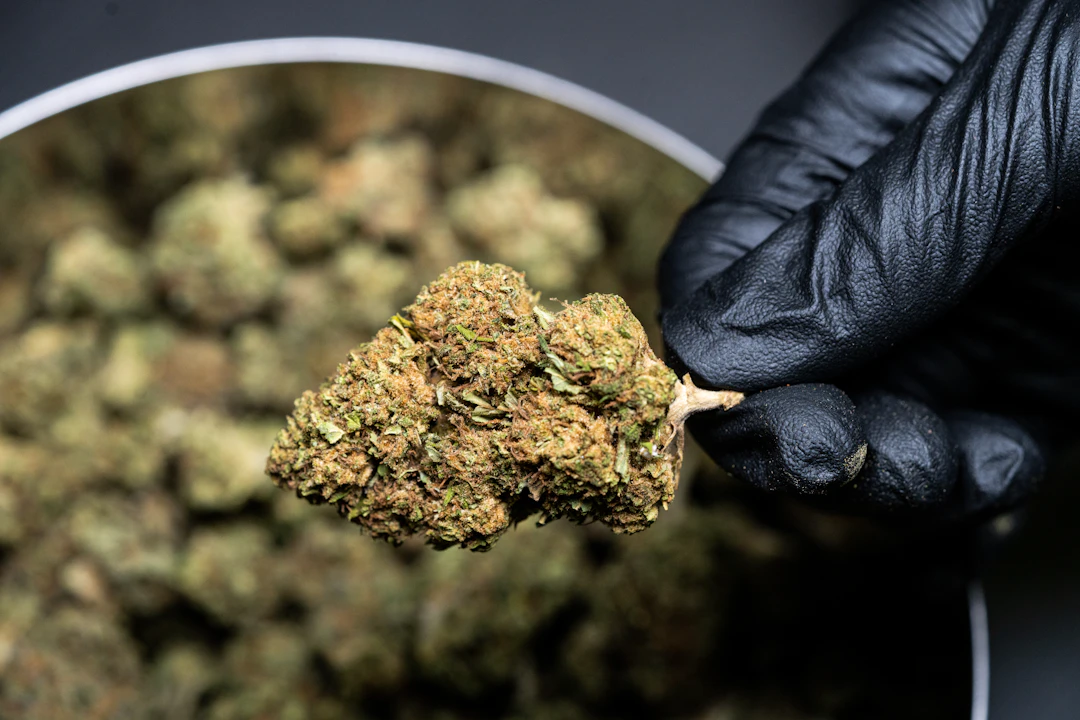
Your hard work will eventually pay off with the ability to harvest your plants. Knowing when to harvest is critical—cannabis is ready when the trichomes become cloudy and some amber. After harvesting, the drying and curing processes are essential to enhance flavor and potency:
Drying: Hang your buds upside-down in a dark, humid environment for 7-14 days.
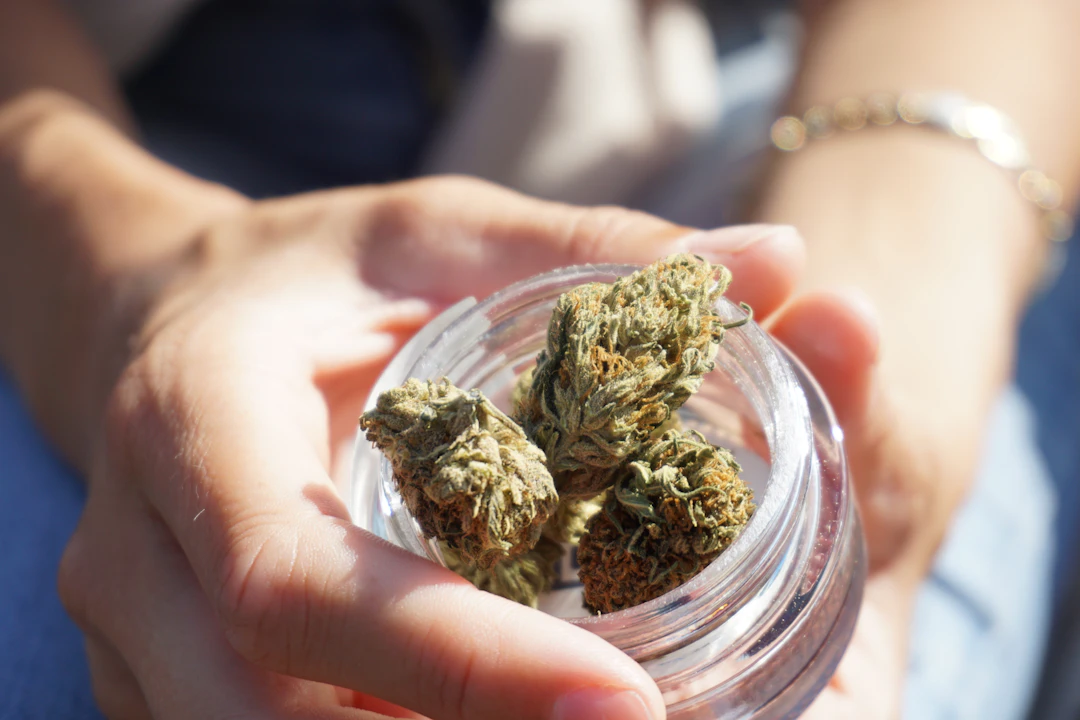
Curing: Place dried buds in airtight jars, opening them daily to release moisture for the first few weeks.
Integrating Cannabis into Your Health Routine
Cultivating your own medicinal cannabis paves the way for utilizing it effectively within your wellness regime. Depending on what you’ve cultivated, you can:
Use CBD oil: Excellent for anxiety relief and promoting overall tranquility.
Make edibles: Infuse butter or oils for tasty cannabis-infused dishes.
Opt for teas: Soothing beverages can provide the medicinal benefits without ingesting high levels of THC.
For a deeper understanding of how you can elevate wellness with cannabis, I encourage you to explore Elevate Your Health: Crafting A Personal Wellness Plan With Cannabis.
Embracing the Future of Your Gardening Journey
As you embark on your journey into gardening for wellness through medicinal cannabis, remain committed to continual learning. The world of cannabis is rapidly evolving, with ongoing research illuminating new benefits and applications—including the remarkable effects of terpenes and cannabinoids in health management.
By nurturing your plants and integrating them into your health practices, you are not only cultivating a sustainable lifestyle but also fostering personal well-being. Remember, the most crucial part of this journey is enjoying the process, connecting with nature, and reaping the rewards of your labor. Embrace the therapeutic potential that lies within your garden, and transform your wellness journey one leaf at a time.
FAQs
What are the benefits of gardening for wellness?
Gardening promotes physical exercise, mental health, a connection to nature, and access to fresh produce, contributing significantly to overall wellness.
What are cannabinoids and terpenes in cannabis?
Cannabinoids, like THC and CBD, interact with the body's endocannabinoid system to impact various processes, while terpenes are organic compounds that offer therapeutic benefits and contribute to the plant's aroma and flavor.
How do I choose the right cannabis strains for my wellness needs?
Consider factors such as THC and CBD content, desired effects, and flavor profiles when selecting strains like Blue Dream, Harlequin, or Girl Scout Cookies.
What are some common methods for growing cannabis?
Common methods include soil for natural growth, hydroponics for quicker growth in nutrient-rich water, and aeroponics for substantial growth using mist to feed the roots.
How can I utilize my harvested cannabis for health benefits?
You can use CBD oil for anxiety relief, make edibles by infusing butter or oils, or create soothing teas to enjoy the medicinal benefits of cannabis.
Comments