
Embracing Wellness: A Comprehensive Guide to Senior Health and Cannabis


Overview
As the population ages, many seniors are turning to cannabis for improved health and wellness. This guide highlights the benefits of cannabinoids like THC and CBD, including pain management, anxiety reduction, improved sleep quality, and appetite stimulation. Safe usage involves consulting healthcare providers, starting with low doses, selecting appropriate strains, and being aware of legal considerations. Ongoing research promises to uncover more ways cannabis can enhance the quality of life for older adults.
Contents
As the population ages, the conversation around health and wellness for seniors has evolved dramatically. Many older adults are seeking alternative therapies to improve their quality of life, with Cannabis emerging as a prominent option. This guide explores the relationship between senior health and cannabis, shedding light on the various benefits of cannabinoids, THC, CBD, and terpenes in an aging population.
Understanding Cannabis and Its Components
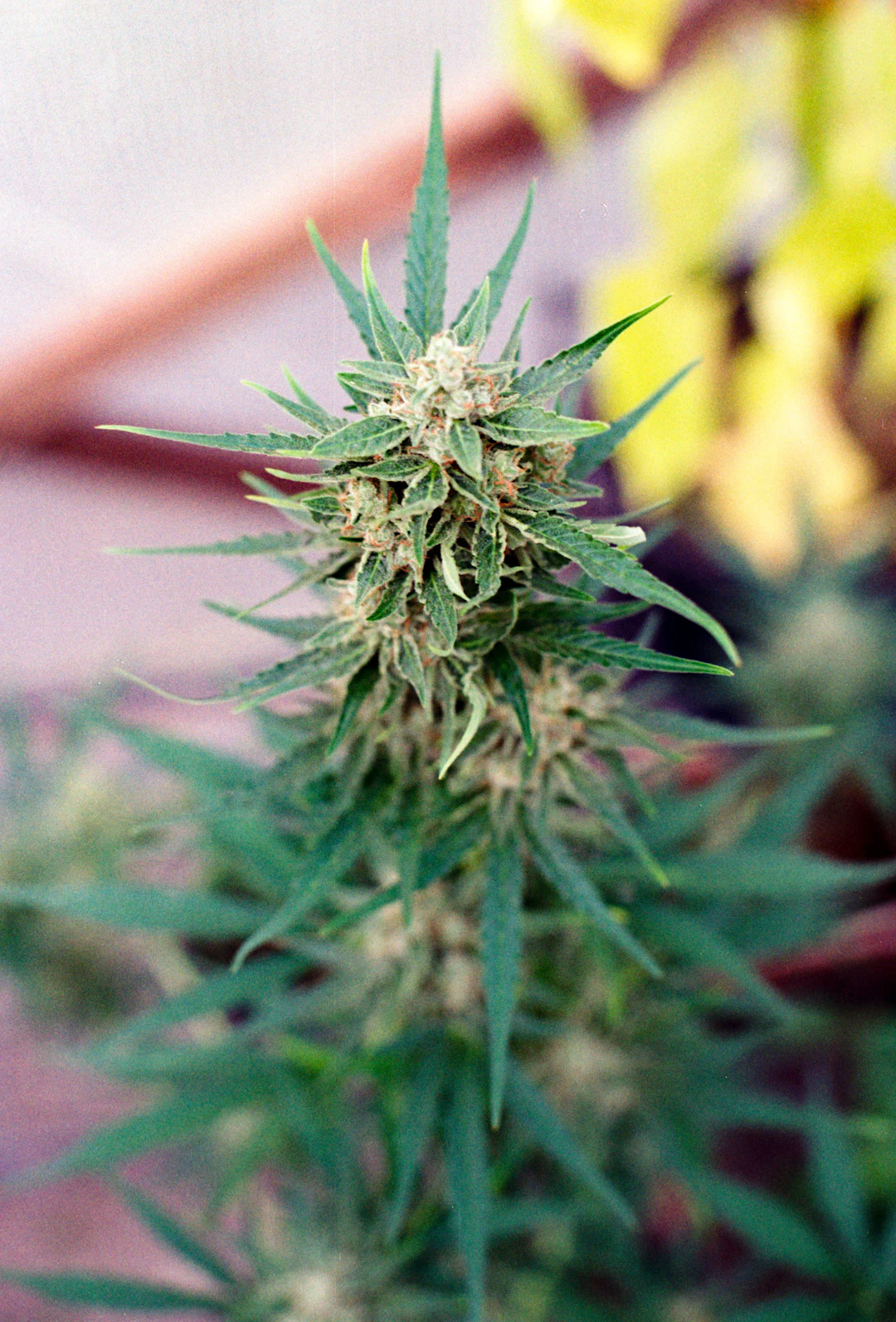
Cannabis is a plant that contains over a hundred different chemical compounds known as cannabinoids. The most well-known cannabinoids include THC (tetrahydrocannabinol) and CBD (cannabidiol). Each of these components interacts differently with the body's endocannabinoid system, offering unique health benefits.
What are Cannabinoids?
THC: This compound is primarily responsible for the psychoactive effects of cannabis. It can help alleviate pain, reduce nausea, and stimulate appetite, which can be crucial for seniors struggling with chronic conditions.
CBD: Unlike THC, CBD does not produce a high. It is celebrated for its therapeutic properties that include anti-inflammatory effects, anxiety relief, and potential neuroprotective qualities.
The Role of Terpenes
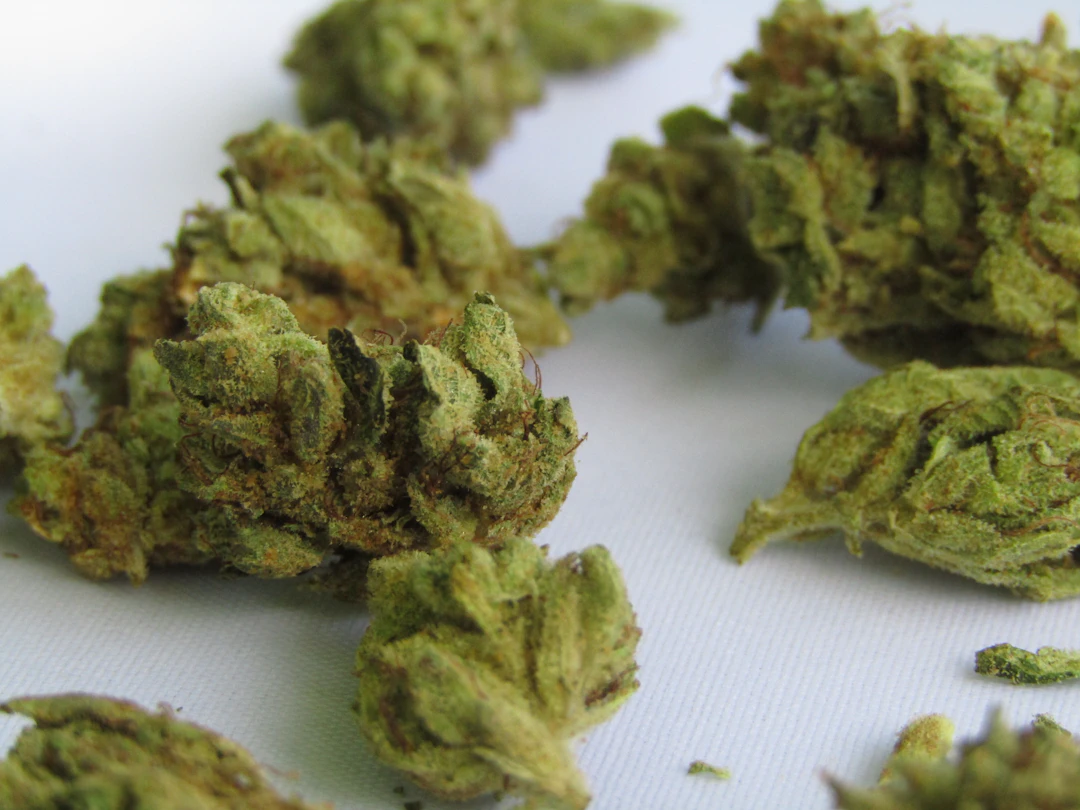
Another essential component of cannabis are terpenes, aromatic compounds that contribute to the scent and flavor of cannabis strains. Beyond their sensory benefits, terpenes also have therapeutic properties. For example, myrcene may promote sleep, while limonene can enhance mood. By understanding terpenes, seniors can choose cannabis strains that align with their specific health needs.
Potential Benefits of Cannabis for Seniors
The adoption of cannabis for medical purposes has shown promise in treating various health issues that are common among older adults. Here's a closer look at the potential benefits:
1. Pain Management
Chronic pain is a significant issue faced by many seniors, often stemming from conditions like arthritis or neuropathy. Cannabis, particularly strains high in THC, may provide effective analgesic effects, helping to reduce pain levels and improve mobility.
2. Managing Chronic Conditions
Seniors often live with multiple chronic conditions, including diabetes, cardiovascular diseases, and neurodegenerative disorders. Research indicates that cannabinoids, specifically CBD, may play a role in managing symptoms and improving overall health in individuals with these conditions. You can explore more about these management techniques at Unlocking The Benefits Of Cannabis For Health And Wellness.
3. Reducing Anxiety and Depression
Many seniors face mental health challenges, including anxiety and depression. Cannabis, particularly CBD and specific terpenes, has been noted for its potential to reduce feelings of anxiety, paving the way for enhanced emotional well-being.
4. Improving Sleep Quality
Insomnia and poor sleep quality are common concerns among the elderly. Cannabis may assist in promoting relaxation and a better quality of sleep, particularly with strains that are high in myrcene. This can lead to significant improvements in daily functioning and overall quality of life.
5. Appetite Stimulation
Loss of appetite is a widespread issue that can lead to malnutrition. THC is well-known for its ability to increase appetite, which can be a boon for seniors needing to maintain a healthy weight. The potential benefits of cannabis in elevating appetite are further detailed in various studies.
Safe Usage of Cannabis for Seniors
While the benefits of cannabis for seniors are promising, it is essential to use it safely and wisely. As with any therapeutic regimen, seniors should consult with healthcare providers before introducing cannabis into their wellness plan. Key considerations include:
Start Slow: Seniors are advised to begin with lower doses to assess tolerance and effects before gradually increasing the intake.
Choose the Right Strain: Different strains offer varying effects. Understanding the unique composition of cannabis strains can help seniors select those that best address their health needs. A great resource for finding the right strain is Finding Your Perfect Match.
Be Aware of Legal Considerations: Laws surrounding cannabis usage vary by state. Seniors should stay informed about the regulations in their locality to ensure compliance.
Monitor Effects: Keeping track of how cannabis affects both physical and mental health can help in adjusting dosages and strains effectively.
Navigating the World of Cannabis Research
The future of cannabis research is vibrant, especially concerning its application in senior health. Ongoing studies are delving into understanding how different cannabinoids and terpenes interact with the human body, potentially unveiling new treatments and modalities beneficial for the aging population. This exciting frontier is explored in-depth in articles like The Future Of Cannabis Research In Health And Wellness 1, and the insights collected from these studies can shape future cannabis products tailored for seniors.
The Adventure Ahead: A Healthier Tomorrow with Cannabis
As we embrace a deeper understanding of cannabis and its potential benefits for senior health, it's crucial for older adults and caregivers to navigate this landscape with knowledge and caution. As research continues to reveal the myriad ways that cannabis can enhance health, seniors can look forward to exploring new avenues for wellness. With the right guidance and effective use, cannabis could become a pivotal element in promoting longevity and enhancing the quality of life for older adults.
In the context of personalized health, exploring cannabis is not merely about engagement with a new treatment; it's about acknowledging a holistic approach to well-being. The journey of integrating cannabis into health and wellness practices is not just grounded in science but is also a step towards embracing a revitalized and enriched life.
FAQs
What is cannabis and what are its components?
Cannabis is a plant that contains over a hundred different chemical compounds known as cannabinoids, the most well-known being THC (tetrahydrocannabinol) and CBD (cannabidiol). Each of these components interacts differently with the body's endocannabinoid system, offering various health benefits.
What are the potential benefits of cannabis for seniors?
Cannabis has shown promise in treating various health issues common among older adults, including pain management, anxiety and depression relief, improved sleep quality, appetite stimulation, and management of chronic conditions.
How should seniors use cannabis safely?
Seniors should consult with healthcare providers before using cannabis, start with lower doses to assess tolerance, choose the right strain that aligns with their health needs, be aware of legal considerations, and monitor the effects on their health.
What are cannabinoids and how do they work?
Cannabinoids are chemical compounds found in cannabis that interact with the body's endocannabinoid system. THC is known for its psychoactive effects and pain relief, while CBD is praised for its therapeutic properties, including anti-inflammatory effects and anxiety relief.
Why is research on cannabis important for senior health?
Ongoing research into cannabis is crucial as it helps to understand how different cannabinoids and terpenes affect the human body, potentially unveiling new treatments and modalities beneficial for the aging population.

Comments