
Discover the Benefits of Incorporating Cannabis into Your Wellness Routine


Overview
Cannabis is increasingly recognized for its wellness benefits beyond recreation, particularly through cannabinoids like THC and CBD, and terpenes that enhance their effects. Incorporating cannabis into your health routine can provide pain relief, stress reduction, and improved sleep. Start slowly, choose the right delivery method, and find strains that suit your needs. However, be mindful of legal status and potential health risks. Embrace cannabis as a holistic wellness tool for enhanced self-care.
Contents
In recent years, there has been a significant shift in the perception of cannabis, elevating it beyond its recreational use to a recognized component of holistic wellness. With an abundance of research highlighting the benefits of cannabinoids and terpenes, many are now looking to harness these natural compounds to enhance their wellness routines. In this article, we delve deep into how cannabis can be a valuable addition to your health and wellness practices.
The Intriguing World of Cannabinoids
Cannabis contains over a hundred different cannabinoids, each with its own unique properties and potential health benefits. The most well-known of these are THC (tetrahydrocannabinol) and CBD (cannabidiol). Understanding these compounds is essential for anyone looking to incorporate cannabis into their wellness routine.
THC: The Psychoactive Cannabinoid
THC is often the center of attention when it comes to cannabis. This cannabinoid is responsible for the psychoactive effects commonly associated with cannabis use. However, it also possesses various therapeutic properties:
Pain Relief: THC can bind to cannabinoid receptors in the brain, helping to alleviate acute and chronic pain conditions.
Appetite Stimulation: Often referred to as the "munchies," THC can enhance appetite, making it beneficial for individuals undergoing treatments that reduce appetite, such as chemotherapy.
Mood Enhancement: THC may provide relaxation and euphoria, potentially helping individuals manage anxiety and depression.
CBD: The Non-Psychoactive Alternative
CBD has gained popularity as a wellness ingredient due to its non-psychoactive nature. This means that it can provide numerous health benefits without the high. Some notable benefits of incorporating CBD include:
Stress Reduction: Many individuals use CBD to manage stress and promote a sense of calm without feeling intoxicated.
Anti-Inflammatory Properties: CBD can help reduce inflammation in the body, which can benefit those with chronic pain conditions, arthritis, and autoimmune disorders.
Sleep Aid: For those struggling with insomnia or disrupted sleep patterns, CBD may help in achieving a deeper, more restful sleep.
The Power of Terpenes in Cannabis
Beyond cannabinoids, cannabis is rich in terpenes, the fragrant compounds that give cannabis its unique smell and flavor. While often overlooked, terpenes have their own set of benefits and can greatly enhance your wellness experience.
Understanding Terpenes
Some of the most common terpenes found in cannabis include:
Myrcene: Known for its relaxing sedative effects, myrcene can promote better sleep and relaxation.
Limonene: This uplifting terpene is believed to help reduce anxiety and elevate mood.
Pinene: Found in pine trees, pinene has potential anti-inflammatory and bronchodilator effects, which may help improve respiratory function.
When combined with cannabinoids, terpenes can create what is known as the "entourage effect," where the overall therapeutic effect is enhanced, making the use of cannabis for wellness more potent than isolated forms of cannabinoids.
Incorporating Cannabis into Your Daily Wellness Routine
So how can you start to incorporate cannabis into your wellness routine? Here are some practical tips:
1. Start Slow
If you’re new to cannabis, it’s essential to start with low doses and gradually increase as needed. Pay attention to how your body reacts to THC and CBD, as everyone’s response to cannabinoids can vary widely.
2. Choose the Right Delivery Method
There are several ways to consume cannabis, including:
Edibles: Infused foods and beverages provide a longer-lasting effect, but the onset may take time.
Tinctures: Liquid extracts allow for easy dosage management and quick absorption when taken sublingually.
Vaping: This method provides instant effects, making it easier to control dosages precisely.
Topicals: Cannabis-infused creams and balms can be applied directly to the skin for localized relief without psychoactive effects.
3. Find Your Perfect Strain
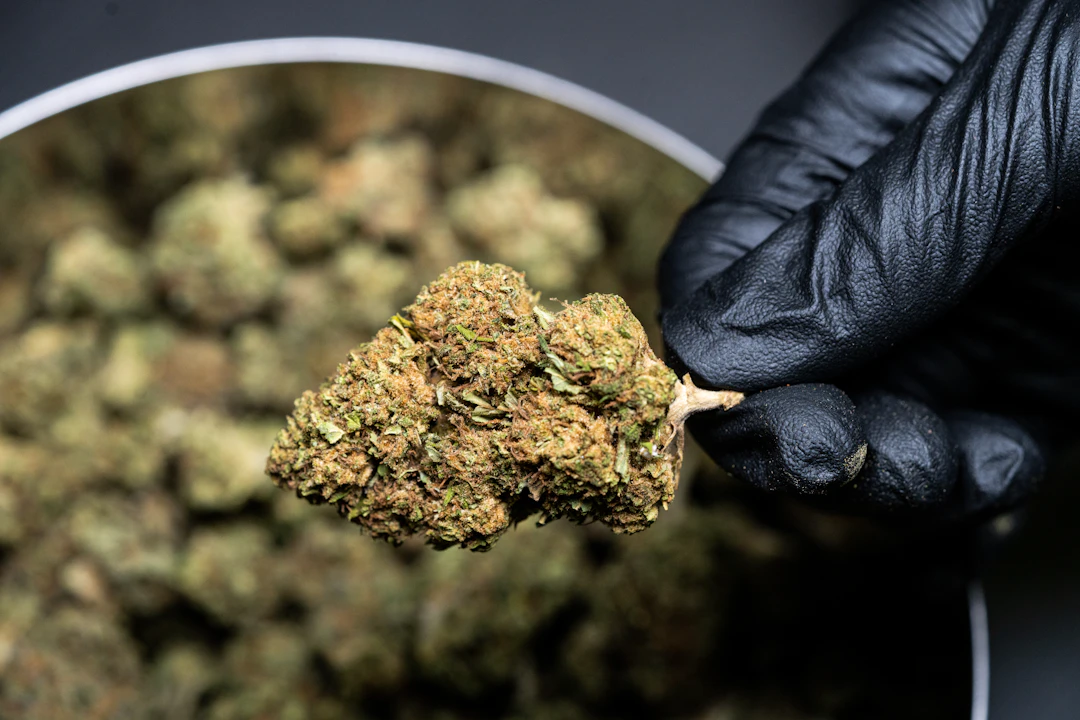
Cannabis strains vary widely and can produce different effects. Sativa strains are often uplifting and energizing, while Indica strains tend to be more calming and relaxing. Hybrid strains can offer a mix of both. Experimenting with different strains can help you discover which best complements your wellness routine.
4. Incorporate Into Meditation or Yoga
Consider using cannabis as part of your meditation or yoga routine. Many people find that it enhances their focus, helping them connect more deeply with their practice. Whether you're using CBD oil to calm your mind or a THC strain to relax your body, incorporating these practices can elevate your experience.
5. Pair Cannabis with Nutritional Wellness
Integrating cannabis with healthy eating can also amplify its wellness benefits. For example, consider creating healthy, cannabis-infused snacks that will nourish your body while helping you relax. The combination of nutrients paired with cannabinoids can lead to improved overall health.
Potential Risks and Considerations
While the benefits of incorporating cannabis into your wellness routine are multiple, it’s also crucial to be aware of potential risks. Here are some considerations:
Legal Status: Ensure that cannabis use is legal in your jurisdiction and that you are adhering to local laws regarding possession and use.
Individual Health Conditions: Cannabis may not be suitable for everyone, especially those with certain health conditions or who are pregnant. Always consult a healthcare professional before starting any new wellness regimen.
Possible Interactions: Cannabis can interact with certain medications. Be sure to speak with your doctor if you are on medication and considering cannabis products.
Your Journey to Enhanced Wellness Awaits
Integrating cannabis into your wellness routine presents numerous opportunities for enhancing health and well-being. By understanding the different cannabinoids and terpenes, experimenting with various strains and consumption methods, and being aware of potential risks, you can make informed decisions that work best for you.
Whether you are seeking relief from pain, reduction of stress, or simply a new way to elevate your self-care practices, cannabis offers an array of options. So why not take the plunge? Embrace the holistic approach to wellness and see how cannabis can transform your routine into a more balanced and enjoyable lifestyle.
FAQs
What are the main benefits of incorporating cannabis into a wellness routine?
Incorporating cannabis into a wellness routine can provide benefits such as pain relief, stress reduction, improved sleep, and mood enhancement, thanks to its cannabinoids and terpenes.
What is the difference between THC and CBD?
THC is the psychoactive compound that can produce a high, while CBD is non-psychoactive and offers health benefits without intoxication, making it suitable for relaxation and stress management.
How can I start using cannabis for wellness?
To start using cannabis for wellness, begin with low doses, choose a delivery method that suits you, experiment with different strains, and consider integrating it into activities like yoga or healthy cooking.
What are terpenes and how do they contribute to cannabis benefits?
Terpenes are aromatic compounds in cannabis that enhance its flavor and aroma. They also provide potential benefits such as stress relief and anti-inflammatory properties, contributing to the overall therapeutic effect.
Are there any risks associated with using cannabis for wellness?
Yes, there are potential risks, including legal issues, individual health contraindications, and possible interactions with medications. It's important to consult a healthcare professional before starting any cannabis regimen.


Comments