
Cannabis for Sleep: Can It Really Help You Rest Better?


Overview
Cannabis, particularly its components THC and CBD, may help improve sleep quality by promoting relaxation, managing pain, and regulating sleep cycles. Terpenes like myrcene and linalool also contribute to sleep enhancement. While research shows potential benefits, individual responses vary, and caution is advised regarding long-term use. Consider starting with low doses, choosing appropriate strains, and consulting a healthcare professional before use.
Contents
In today’s fast-paced world, achieving a good night's sleep has become a challenge for many. With the rise of stress and anxiety levels, finding effective solutions for better sleep is more important than ever. That's where Cannabis comes into play. Many are turning to cannabis as a natural remedy for sleep issues. But can cannabis really help you rest better? In this article, we will explore cannabinoids, the role of THC and CBD, and how terpenes influence sleep.
Understanding the Basics of Cannabis
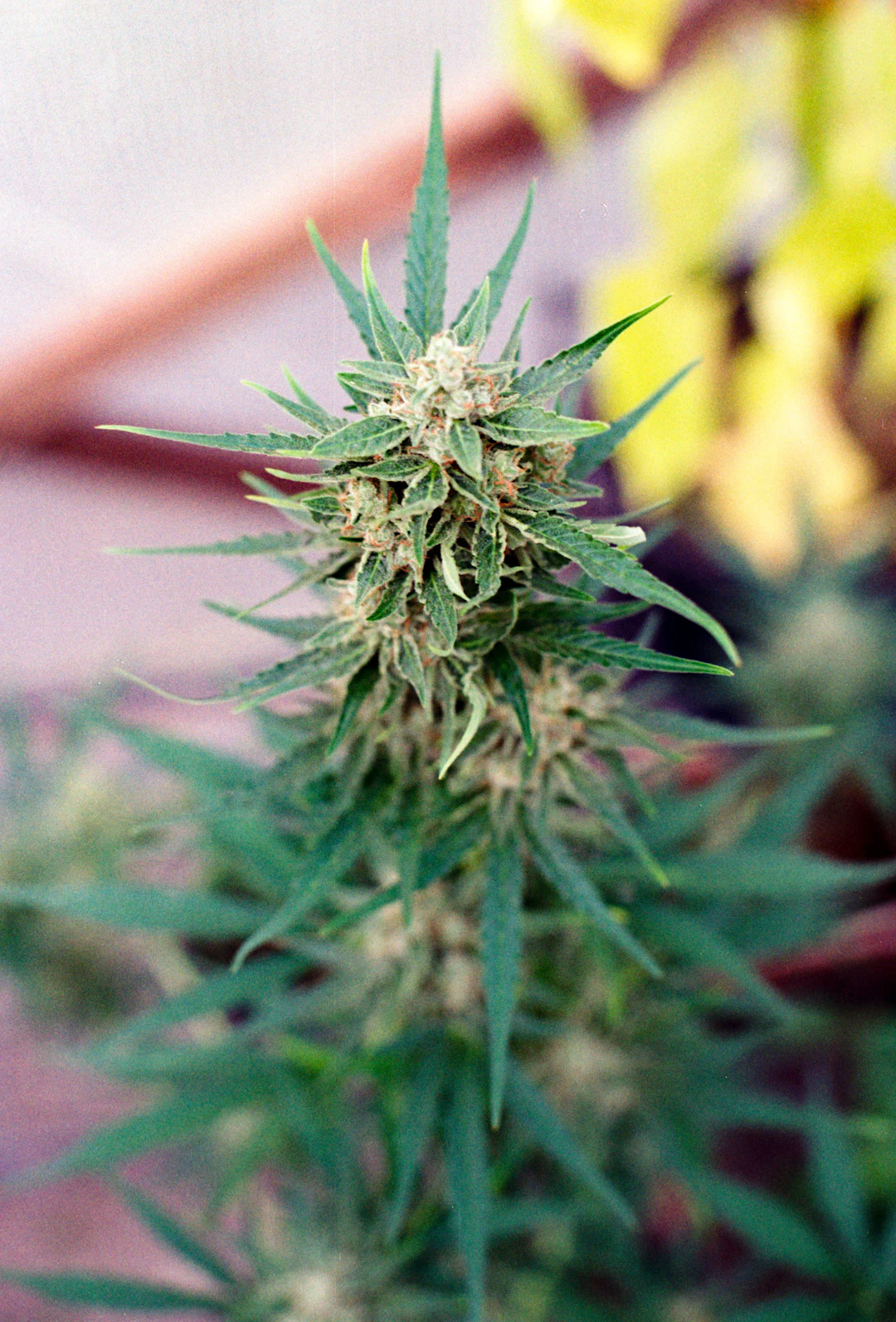
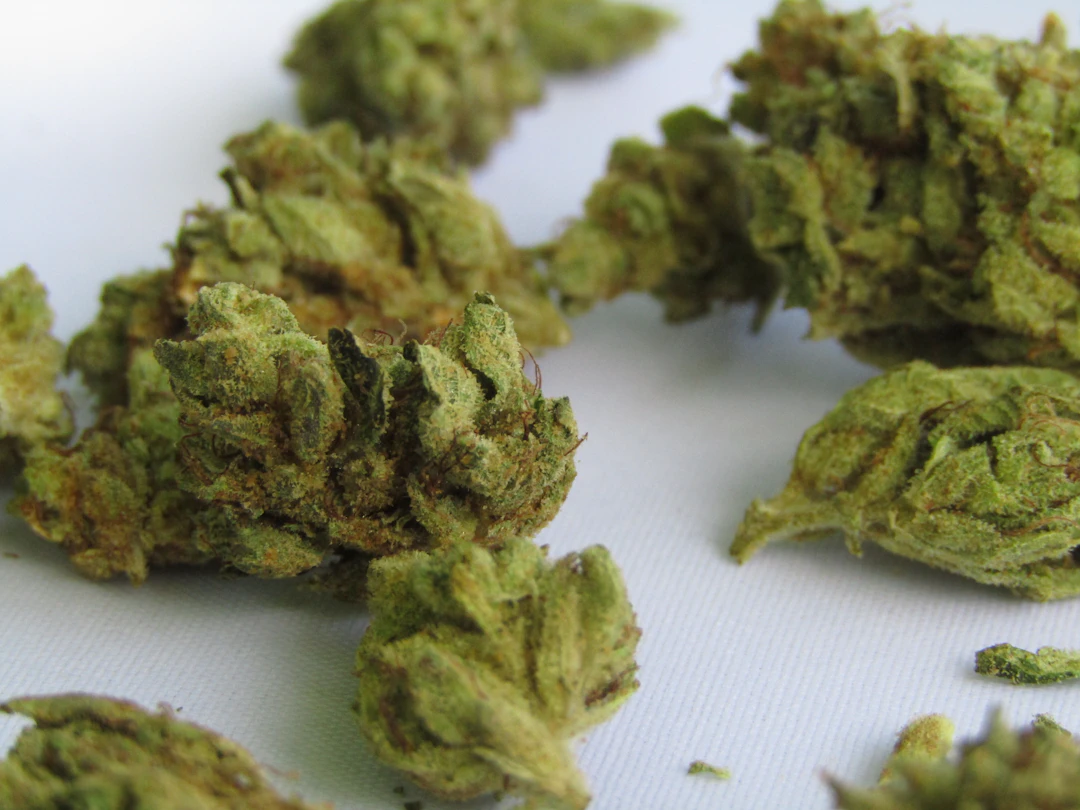
Cannabis is a complex plant that contains hundreds of compounds. The main classes of compounds are cannabinoids and terpenes. Cannabinoids are the active chemical compounds in cannabis that interact with the body’s endocannabinoid system. The two most well-known cannabinoids are THC and CBD.
THC (Tetrahydrocannabinol): This is the psychoactive component of cannabis, responsible for the "high" sensation. It is often associated with sleep induction and relaxation.
CBD (Cannabidiol): Unlike THC, CBD is non-psychoactive. It has gained popularity for its potential therapeutic properties, particularly in reducing anxiety and promoting relaxation, which can indirectly benefit sleep.
How Can Cannabis Help You Sleep?
Research suggests that cannabis may help with various sleep disorders, including insomnia, sleep apnea, and restless leg syndrome. Below are several ways cannabis can contribute to improved sleep quality:
1. Relaxation and Stress Relief
Many individuals report that consuming cannabis before bed helps them unwind and alleviate stress. THC has been found to possess properties that can promote relaxation and reduce anxiety levels, making it easier for users to fall asleep.
2. Pain Management
For those suffering from chronic pain, finding effective relief is crucial. Cannabis has analgesic properties that can help manage pain, allowing for a more restful sleep. Whether it’s conditions like arthritis or fibromyalgia, incorporating cannabis may lead to a reduction in pain, enhancing sleep quality.
3. Sleep Cycle Improvement
Some studies indicate that THC may reduce the time it takes to fall asleep while also increasing overall sleep duration. However, it’s worth noting that high doses of THC can also negatively impact REM sleep, which is essential for cognitive function and overall health.
Role of CBD in Sleep Enhancement
CBD has gathered attention for its potential to facilitate sleep through its calming effects. Unlike THC, CBD does not cause intoxication and can be used in a variety of forms, such as oils, capsules, and edibles. A growing body of evidence has suggested that CBD may contribute to:
Reducing anxiety and promoting a sense of calm
Regulating sleep-wake cycles
Mitigating the impact of pain and discomfort on sleep
An increasing number of people are implementing CBD into their nightly routines, leading to better sleep and overall wellness. This has sparked interest in learning more about the health benefits of cannabis as a natural alternative to over-the-counter sleep aids.
Terpenes and Their Sleep-Inducing Properties
Aside from cannabinoids, the terpenes found in cannabis are also essential to consider. These aromatic compounds contribute to the plant's smell and flavor while also providing therapeutic benefits. Some terpenes often linked to sleep improvement include:
Myrcene: Known for its sedative effects, myrcene is often found in indica strains. This terpene can help induce sleepiness and relaxation.
Linalool: With a floral scent, linalool is recognized for its soothing properties. Its calming effects can help ease anxiety, making it easier to drift into sleep.
Beta-Caryophyllene: This terpene has anti-inflammatory properties and may contribute to pain relief, further aiding in sleep induction.
Although terpenes have not been as thoroughly studied as cannabinoids, their potential impact on sleep is intriguing. This highlights the importance of considering the full spectrum of compounds present in cannabis when seeking solutions for sleep enhancements.
The Science Behind Cannabis and Sleep
While anecdotal evidence abounds regarding cannabis' effects on sleep, scientific research is ongoing. A study published in the Journal of Clinical Psychology found that individuals with insomnia reported improvements in sleep quality when using cannabis as a treatment option. Another study indicated that CBD could help decrease sleep disturbances caused by anxiety or stress.
However, the response to cannabis varies from person to person. What works for one individual may not work for another, making personalized approaches essential. Moreover, long-term effects of cannabis use on sleep are still being examined, urging caution for those who consider making cannabis a nightly routine.
Best Practices for Using Cannabis for Sleep
If you're contemplating cannabis as a sleep aid, consider the following best practices to optimize its benefits:
Start Low and Go Slow: Begin with a low dose to determine how cannabis affects your sleep. Gradually increase the dosage based on your body's response.
Choose the Right Strain: Varieties high in myrcene and linalool are often preferred for their tranquilizing effects. Experimenting with different strains can lead you to find what works best for you.
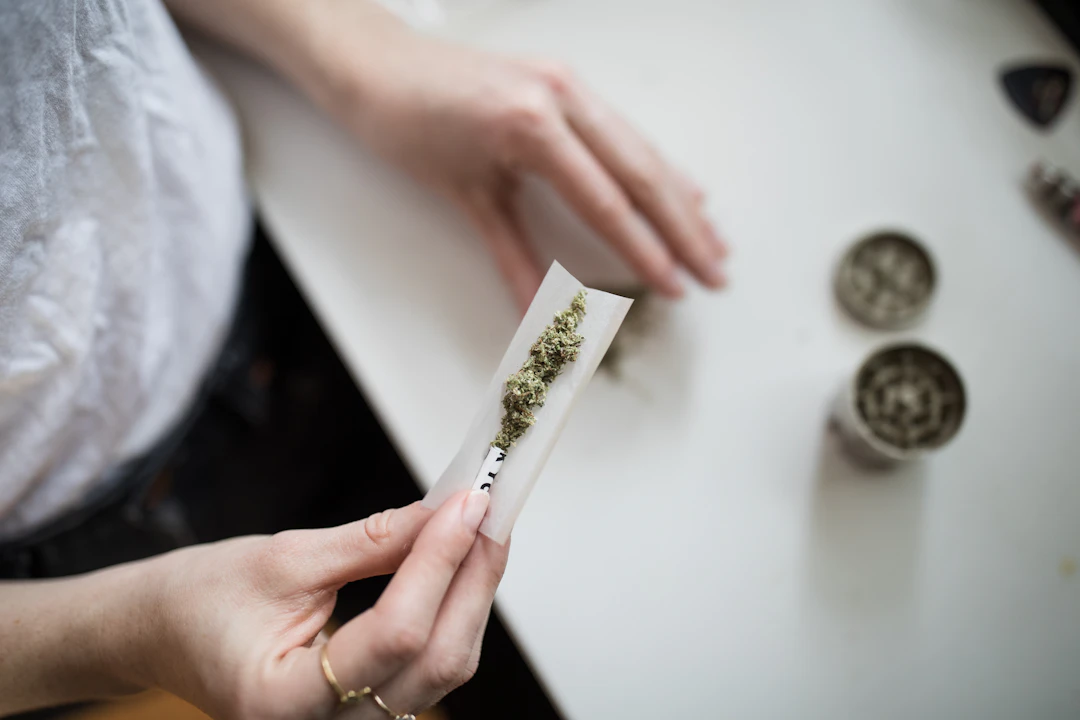
Consider Delivery Methods: The method of consumption plays a role in how quickly and intensely cannabis affects you. Inhalation methods typically work faster, while edibles may take longer to kick in but provide longer-lasting effects.
Timing Matters: Consuming cannabis about 30-60 minutes before bed may allow for its effects to take hold when you’re ready to sleep.
Understanding the Legalities and Safety of Cannabis Use
Before using cannabis for sleep, be aware of the legal landscape in your region. Cannabis laws vary widely across states and countries, so understanding local legislation is crucial. Additionally, safety should be a priority: consult a healthcare professional if you have any pre-existing medical conditions or are taking medications, as cannabis may interact with them.
In your quest for sleep solutions, don't disregard the potential of cannabis as a natural alternative. Discovering its unique effects and how it can manage sleep disturbances can be incredibly rewarding. For those curious about the broader health benefits of cannabis, dive deeper into this topic with exploratory articles on cannabis and wellness.
Embrace Your Journey to Better Sleep
While cannabis may not be the magic bullet for sleep troubles, many find it to be a helpful tool in their overall sleep strategy. Whether you opt for THC, CBD, or specific terpenes, understanding how these elements interact with your body can empower you. As research advances and societal perceptions shift, the dialogue around cannabis as a sleep aid will likely continue to evolve. Explore the possibilities and embrace a natural approach to achieving a restful night—your sleep journey may just find its perfect companion in cannabis!
FAQs
Can cannabis really help improve sleep quality?
Yes, research suggests that cannabis may aid in improving sleep quality, particularly for conditions like insomnia, sleep apnea, and restless leg syndrome.
What are the main cannabinoids in cannabis that affect sleep?
The two main cannabinoids linked to sleep are THC (Tetrahydrocannabinol), which is psychoactive and can promote relaxation, and CBD (Cannabidiol), which is non-psychoactive and may help reduce anxiety.
How do terpenes contribute to sleep enhancement?
Terpenes such as myrcene, linalool, and beta-caryophyllene are associated with sleep improvement due to their sedative and calming properties.
What are some best practices for using cannabis for sleep?
Best practices include starting with a low dose, choosing the right strain, considering delivery methods, and timing your consumption appropriately.
Is it safe to use cannabis for sleep?
While many find it helpful, it's important to consult a healthcare professional, especially if you have medical conditions or take medications that may interact with cannabis.
Comments