
Cannabis and Sleep: A Natural Remedy for Insomnia


Overview
Cannabis, particularly its cannabinoids THC and CBD, may offer a natural remedy for insomnia by improving sleep quality. Terpenes also play a role in enhancing the sedative effects of cannabis. Understanding dosage, consumption methods, and product quality is crucial, as well as integrating cannabis into a broader sleep routine. While promising, users should be aware of potential side effects and consult professionals when needed. Future research will continue to explore cannabis's role in sleep management.
Contents
In today’s fast-paced world, getting a good night's sleep can feel like an impossible task. With stress, anxiety, and a plethora of distractions, many individuals find themselves wrestling with insomnia. However, a growing number of studies suggest that cannabis might provide a natural remedy for sleep-related issues. This blog seeks to explore the relationship between cannabis, sleep, terpenes, cannabinoids, THC, and CBD in the context of insomnia management.
The Basics of Sleep and Insomnia
Sleep is a critical biological function that allows the body to recover, repair, and rejuvenate. Adults typically require 7-9 hours of quality sleep each night for optimal health. Insomnia, on the other hand, is characterized by difficulty falling asleep, staying asleep, or waking up too early. The consequences of insomnia extend beyond fatigue; prolonged sleep deprivation can affect mood, cognitive function, and overall health.
The Role of Cannabis in Sleep
Cannabis has been used for centuries as a remedy for various ailments, including sleep disorders. Research suggests that certain cannabinoids found in cannabis, particularly THC and CBD, may help to improve sleep quality. Understanding these components is essential to recognizing how cannabis can be leveraged to manage insomnia.
What Are Cannabinoids?
Cannabinoids are natural compounds present in the cannabis plant. They interact with the body’s endocannabinoid system (ECS), which plays a crucial role in regulating various physiological processes, including sleep. The two most well-known cannabinoids, THC (tetrahydrocannabinol) and CBD (cannabidiol), offer distinct therapeutic effects:
THC: Known for its psychoactive properties, THC can promote sleepiness and has been shown to shorten the time it takes to fall asleep.
CBD: While non-psychoactive, CBD has gained popularity for its calming effects. It’s thought to alleviate anxiety, which can be a significant contributor to sleep disturbances.
Terpenes: The Unsung Heroes of Cannabis
In addition to cannabinoids, terpenes play a vital role in the therapeutic effects of cannabis. Terpenes are aromatic compounds that give cannabis its unique scent and flavor profile. They also contribute to the overall effects of different strains, potentially influencing sleep quality. Some notable terpenes with sedative properties include:
Myrcene: Often found in indica strains, myrcene is believed to promote relaxation and facilitate sleep.
Linalool: Known for its floral aroma, linalool has calming effects and may help in reducing anxiety, leading to improved sleep.
Beta-Caryophyllene: This terpene has anti-inflammatory properties and may aid in stress reduction, further supporting better sleep quality.
By understanding terpenes, users can select cannabis strains tailored to their sleep needs, maximizing their calming effects.
How Cannabis Affects Sleep Architecture
The influence of cannabis on sleep isn't merely about helping people fall asleep; it also affects various sleep stages, particularly REM (Rapid Eye Movement) sleep. Research indicates that THC can reduce the duration of REM sleep, which might be beneficial for those who experience distressing dreams or PTSD-related sleep issues. However, it’s essential to note that while reduced REM sleep may be advantageous for some, it could also lead to a less restorative sleep experience if relied upon excessively.
Personal Experiences: Real Stories and Transformative Testimonials
Many individuals have turned to cannabis as a solution for insomnia and sleep disturbances. Real-life testimonials highlight how cannabis has played a transformative role in their sleep hygiene. People report achieving deeper sleep, waking up feeling more refreshed, and a significant reduction in nighttime awakenings. You can read inspiring accounts of personal experiences with cannabis in improving health on this blog.
Understanding Dosage and Consumption Methods
When considering cannabis for sleep, it's paramount to understand the importance of dosage and consumption methods. The effects of cannabis can vary significantly based on how it's consumed:
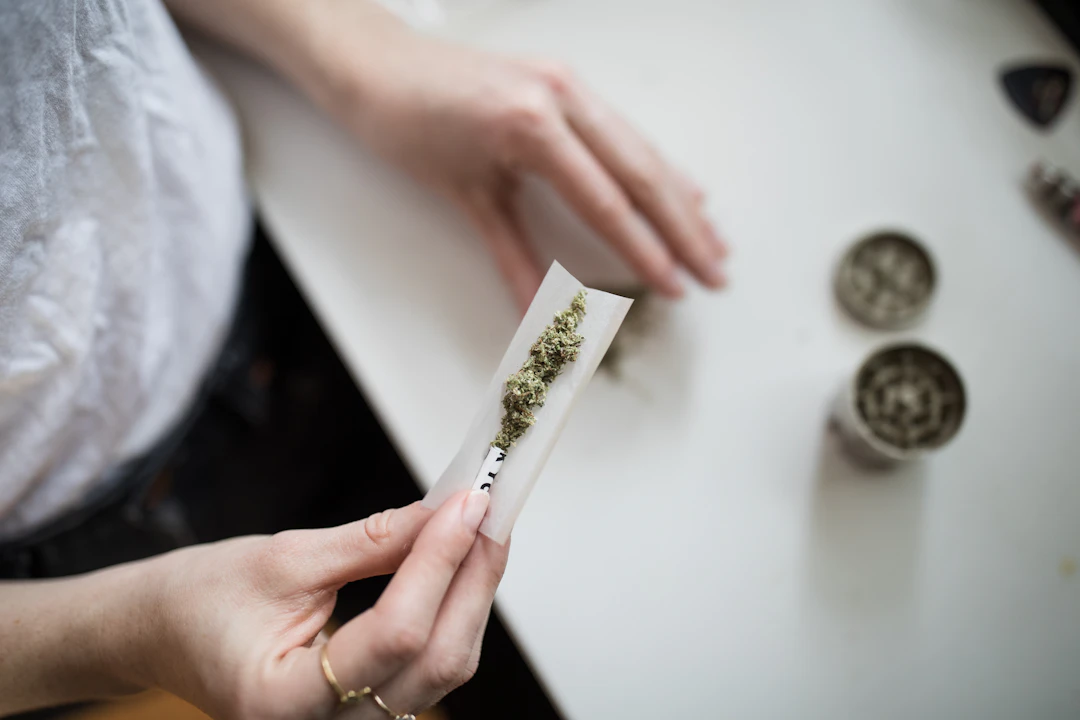
Smoking or Vaping: Offers quick onset, making it easier to manage just prior to bedtime.
Edibles: Provides a slower onset and longer-lasting effects, which can be beneficial for those who experience frequent nighttime awakenings.
Tinctures and Oils: Allow for precise dosing and can be administered sublingually for faster absorption.
For those just starting, beginning with low doses of THC and gradually increasing until the desired effects are achieved is advisable. Consulting with a healthcare professional or a knowledgeable budtender can also help tailor the best approach to individual sleep needs.
The Importance of Product Quality
The quality of cannabis products can significantly impact their effects. Opting for lab-tested products from reputable sources ensures that they are free from contaminants and contain the advertised levels of cannabinoids and terpenes. Always look for products that provide transparency regarding their sourcing and production practices.
Potential Side Effects of Cannabis for Sleep
While cannabis holds promise for improving sleep, it’s crucial to be aware of potential side effects. Common side effects associated with THC include:
Dry Mouth
Increased Heart Rate
Dizziness
Short-Term Memory Issues
Not everyone experiences these effects, and some individuals may find CBD to be a more suitable option since it usually presents fewer side effects. However, it’s important to monitor your reaction and adjust your approach if negative side effects occur.
Integrating Cannabis into Your Sleep Routine
To maximize the benefits of cannabis for sleep, consider integrating it into a broader sleep routine. This may include:
Establishing a consistent sleep schedule.
Creating a relaxing bedtime environment (cool, dark, and quiet).
Limiting screen time before bed to minimize blue light exposure.
Engaging in relaxing activities such as reading, meditating, or taking a warm bath before sleep.
By combining the use of cannabis with healthy sleep practices, individuals can optimize their chances of achieving a restful night’s sleep.
Looking Towards the Future of Cannabis and Sleep Research
The growing interest in cannabis as a natural remedy for sleep has prompted extensive research into its efficacy and safety. Future studies are critical in determining optimal dosing, potential long-term effects, and the best combinations of cannabinoids and terpenes to promote sleep. As the understanding of cannabis evolves, so too will the options available to those struggling with insomnia.
For those eager to learn more about the latest cannabis research impacting health and wellness, this article offers valuable insights into future trends and discoveries.
Your Path to Restful Nights Awaits
For many, the journey to a good night's sleep can seem daunting. However, cannabis presents a natural avenue worth exploring. With its unique blend of cannabinoids and terpenes, individuals may find that incorporating cannabis into their nightly routine alleviates insomnia and enhances sleep quality. As always, listening to your body, consulting healthcare professionals, and making informed choices will lead the way to restful nights. Here's to peaceful slumbers and brighter days ahead!
FAQs
How can cannabis help with sleep issues?
Cannabis may help improve sleep quality due to cannabinoids like THC, which can promote sleepiness, and CBD, which may alleviate anxiety that contributes to sleep disturbances.
What are cannabinoids, and what role do they play in sleep?
Cannabinoids are natural compounds found in cannabis that interact with the body's endocannabinoid system, influencing various physiological processes, including sleep.
What are terpenes, and how do they affect sleep?
Terpenes are aromatic compounds in cannabis that contribute to its scent and flavor profile; some terpenes like myrcene and linalool have sedative properties that may enhance sleep quality.
What consumption methods are best for using cannabis for sleep?
Methods include smoking or vaping for quick effects, edibles for longer-lasting impacts, and tinctures or oils for precise dosing, with effects varying by method.
What potential side effects should I be aware of when using cannabis for sleep?
Common side effects of THC can include dry mouth, increased heart rate, dizziness, and short-term memory issues, though CBD usually presents fewer side effects.
Comments