
Cannabis and Pain Management: What You Need to Know


Overview
Cannabis is increasingly recognized for its potential in pain management, offering natural alternatives to pharmaceuticals. Key components include cannabinoids like THC (psychoactive) and CBD (non-psychoactive), along with terpenes that enhance therapeutic effects. Different consumption methods (inhalation, edibles, tinctures, topicals) and careful strain selection are crucial. Consultation with healthcare professionals is essential for safe and effective use. Cannabis can improve quality of life for many, but understanding local regulations and starting with low doses is important.
Contents
In recent years, the conversation around Cannabis and its potential benefits for pain management has gained considerable traction. More individuals are turning to natural alternatives to relieve their pain instead of relying strictly on pharmaceuticals. While THC and CBD are the most well-known cannabinoids, there is a whole world of terpenes and other components that contribute to the therapeutic benefits of cannabis. This article explores the use of cannabis in pain management, its effects, and what you need to know to make informed decisions.
Understanding Cannabis and Its Components
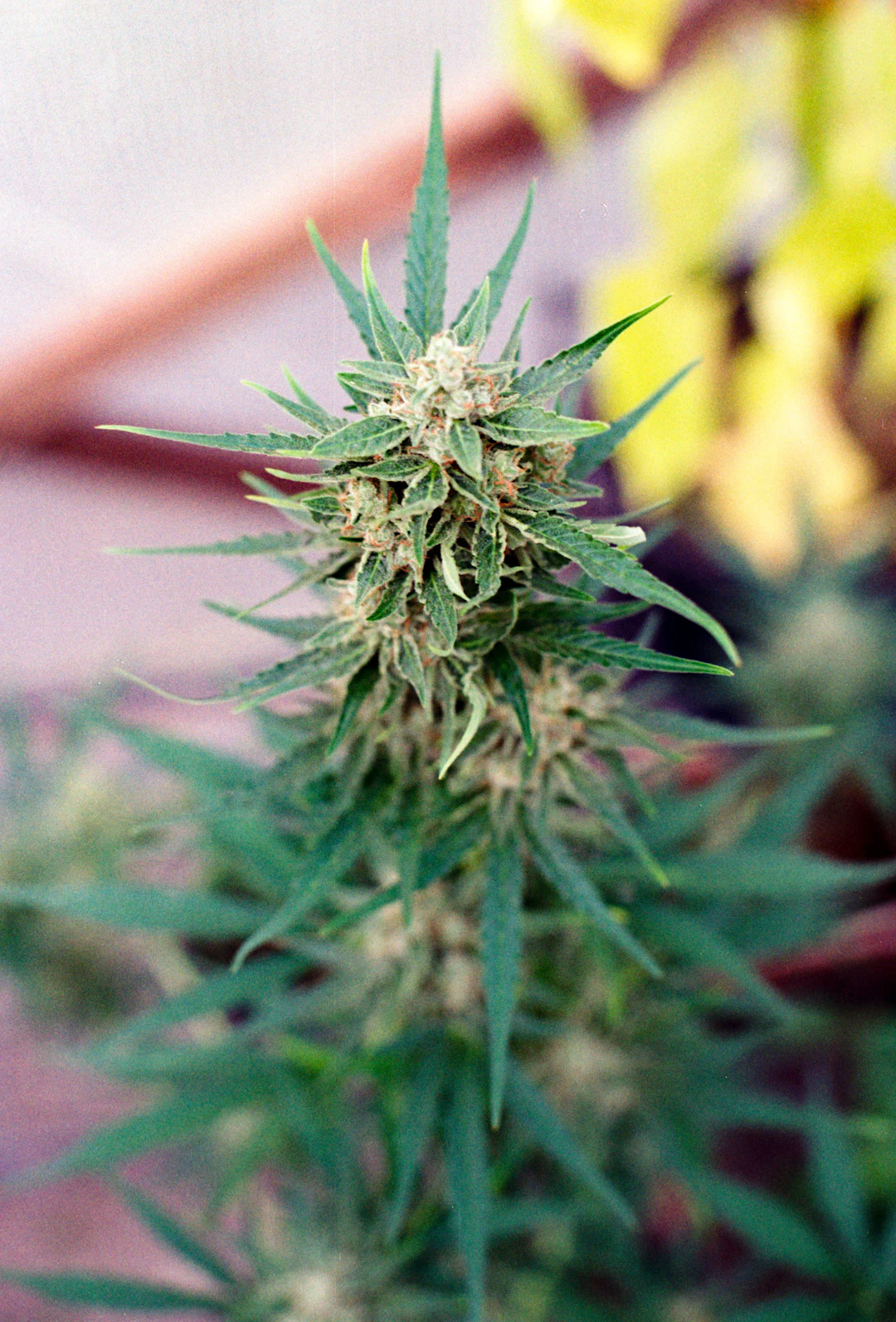
Cannabis is a flowering plant that contains numerous chemical compounds known as cannabinoids, the most notable being THC (tetrahydrocannabinol) and CBD (cannabidiol). These compounds interact with the body’s endocannabinoid system, which plays a significant role in regulating various physiological and cognitive processes such as pain, mood, and appetite.
In addition to cannabinoids, cannabis is rich in terpenes, aromatic compounds that provide various strains with their unique scents and flavors. Terpenes can also have therapeutic effects, potentially enhancing the benefits of cannabinoids. For instance, certain terpenes may exhibit anti-inflammatory or analgesic properties, making them invaluable in pain management.
The Science Behind Cannabis and Pain Relief
Clinical research suggests that cannabis can be effective in managing different types of pain, such as:
Chronic Pain
Neuropathic Pain
Arthritis Pain
Multiple Sclerosis Pain
Cancer Pain
THC is known for its psychoactive effects, which can lead to pain relief by altering the perception of pain. Meanwhile, CBD is non-psychoactive and has gained popularity due to its anti-inflammatory properties, making it attractive for individuals who want to avoid the high typically associated with THC.
How to Use Cannabis for Pain Management
There are several methods of consuming cannabis, each offering different effects and durations. Consider the following methods for pain management:
1. Inhalation
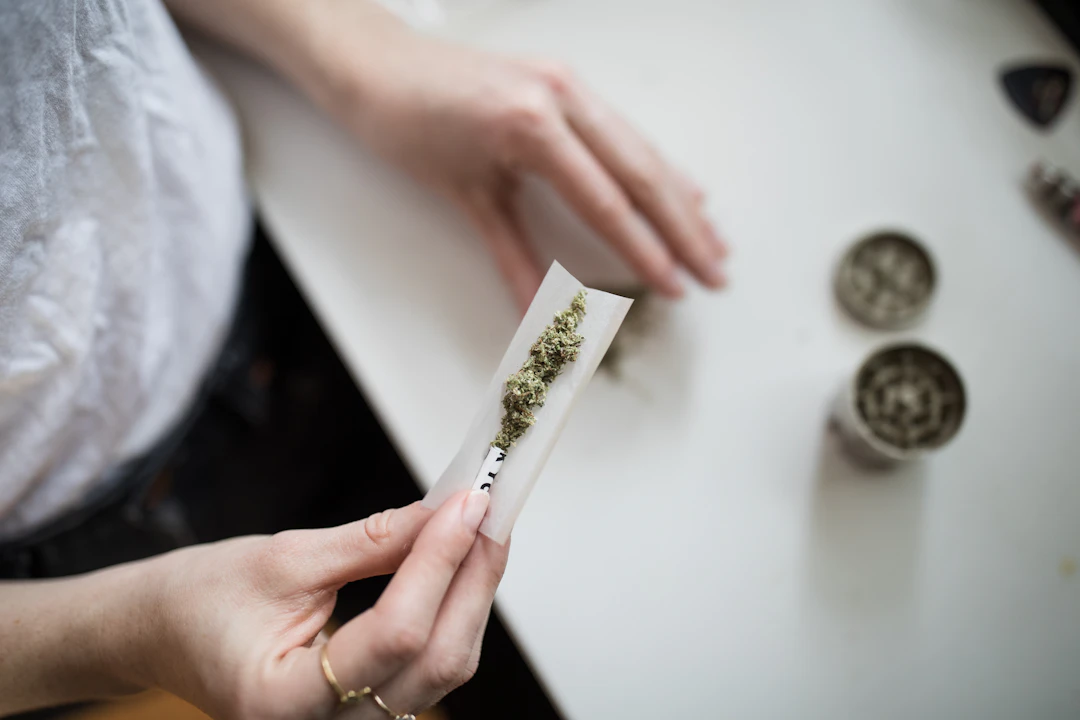
Smoking or vaporizing cannabis allows for quick absorption into the bloodstream, providing almost immediate relief. This method is effective for sudden pain or flare-ups.
2. Edibles
Cannabis-infused edibles can provide longer-lasting relief, making them an excellent choice for chronic pain sufferers. However, the onset of effects is delayed, so patience is essential.
3. Tinctures and Oils
Tinctures and oils offer precise dosing and can be taken sublingually for faster effects. They also allow for tailored ratios of THC and CBD according to individual needs.
4. Topicals
Topical applications, such as creams and balms infused with cannabinoids, can be applied directly to the skin. They can provide localized pain relief without psychoactive effects.
Understanding Dosage and Strain Selection
When considering cannabis for pain management, it's crucial to pay attention to dosage and strain selection. Start with a low dose, especially if you are new to cannabis. Gradually increase the dosage until you find what works best for you.
Different cannabis strains have varying ratios of THC, CBD, and terpenes, which can impact the type of relief you experience:
Indica Strains typically promote relaxation and are beneficial for evening use, providing relief from pain and insomnia.
Sativa Strains generally offer energizing effects that may help those with chronic pain who still want to maintain productivity during the day.
Hybrid Strains offer a balance of both indica and sativa benefits, suitable for a more tailored approach to pain management.
The Importance of Consulting with Healthcare Professionals
Before integrating cannabis into your pain management plan, consulting with a healthcare professional is vital. They can help guide you based on your medical history, current medications, and specific pain conditions. A knowledgeable provider can advise on the appropriate strains, dosages, and consumption methods tailored to your needs.
For more insights into the health benefits of cannabis, consider reading Unlocking The Benefits Of Cannabis For Health And Wellness.
Real-Life Testimonials and Experiences
Many individuals have reported transformative experiences with cannabis for pain management. Stories of improved quality of life, reduced reliance on pharmaceuticals, and enhanced overall well-being highlight the potential of cannabis as a natural alternative. For genuine narratives, check out Real Stories Transformative Testimonials Of Cannabis Use For Health And Wellness.
Exploring the Healing Power of Terpenes
As mentioned earlier, terpenes play a crucial role in cannabis beyond their aromatic qualities. For instance, myrcene has been shown to have anti-inflammatory effects, while limonene may elevate mood. Understanding terpenes and how they complement cannabinoids can maximize the therapeutic effects of cannabis.
For a deeper dive, consider the article titled The Healing Power Of Terpenes Unlocking The Secrets For Health And Wellness.
Regulatory Considerations
It is essential to note that the legal status of cannabis varies across states and countries. Research and stay informed about the laws in your area regarding medical and recreational cannabis use. Understanding local regulations will ensure safe and legal access to cannabis for pain management.
Final Thoughts on Embracing a Natural Approach to Pain
Incorporating cannabis into your pain management routine can open new doors toward a healthier, more balanced life. With its diverse components, including cannabinoids and terpenes, cannabis offers a natural alternative for those seeking relief from chronic pain. Always approach this journey with patience, consult with healthcare professionals, and explore the strains and methods that best suit your needs. By embracing this natural approach, you're taking a step toward reclaiming your well-being and enhancing your quality of life.
FAQs
What are the main components of cannabis that help with pain management?
The main components of cannabis that help with pain management are cannabinoids, primarily THC (tetrahydrocannabinol) and CBD (cannabidiol), as well as terpenes, which can enhance the therapeutic effects.
What types of pain can cannabis be effective in managing?
Cannabis can be effective in managing various types of pain, including chronic pain, neuropathic pain, arthritis pain, multiple sclerosis pain, and cancer pain.
What methods can be used to consume cannabis for pain relief?
Cannabis can be consumed for pain relief through various methods including inhalation (smoking or vaporizing), edibles, tinctures and oils, and topicals.
Why is it important to consult with healthcare professionals before using cannabis for pain management?
Consulting with healthcare professionals is important because they can provide guidance based on your medical history, current medications, and specific pain conditions, ensuring a safe and effective approach.
How do cannabis strains differ in their effects for pain management?
Cannabis strains differ in their effects; indica strains typically promote relaxation, sativa strains offer energizing effects, and hybrid strains provide a balance of both, allowing for tailored pain management.
Comments