
Cannabis and Inflammation: A Natural Approach


Overview
Cannabis is gaining attention for its potential to reduce inflammation linked to chronic diseases. Key compounds, including cannabinoids like CBD and THC, along with terpenes, interact with the body's endocannabinoid system to provide anti-inflammatory benefits. Research supports the effectiveness of cannabis in managing conditions like arthritis and heart disease, and various consumption methods exist, such as oils, topicals, and edibles. Combining cannabis with other natural therapies can enhance its effects, making it a promising option for holistic wellness.
Contents
In recent years, the conversation surrounding Cannabis has expanded beyond recreational use, branching into the realm of health and wellness. A primary focus of this research is cannabis’s role in reducing inflammation, a condition linked to various chronic diseases including arthritis, heart disease, and even certain types of cancer. Among the numerous natural remedies for inflammation, cannabis stands out due to its complex interaction with the body’s endocannabinoid system. This post delves into the relationship between cannabis, inflammation, and the various cannabinoids and terpenes involved in this process.
Understanding Inflammation
Inflammation is the body’s natural response to injury or infection. It manifests itself as redness, swelling, and pain, signaling that the body is fighting off invaders or healing damaged tissue. However, chronic inflammation can lead to serious health problems. Common conditions associated with chronic inflammation include:
Arthritis
Heart Disease
Diabetes
Autoimmune Disorders
Certain Cancers
Understanding the root causes of inflammation is crucial in managing and treating these conditions. Lifestyle choices, such as diet and exercise, play a significant role in inflammation levels, but many people are now exploring cannabis as a valuable component for inflammation relief.
The Cannabis Plant
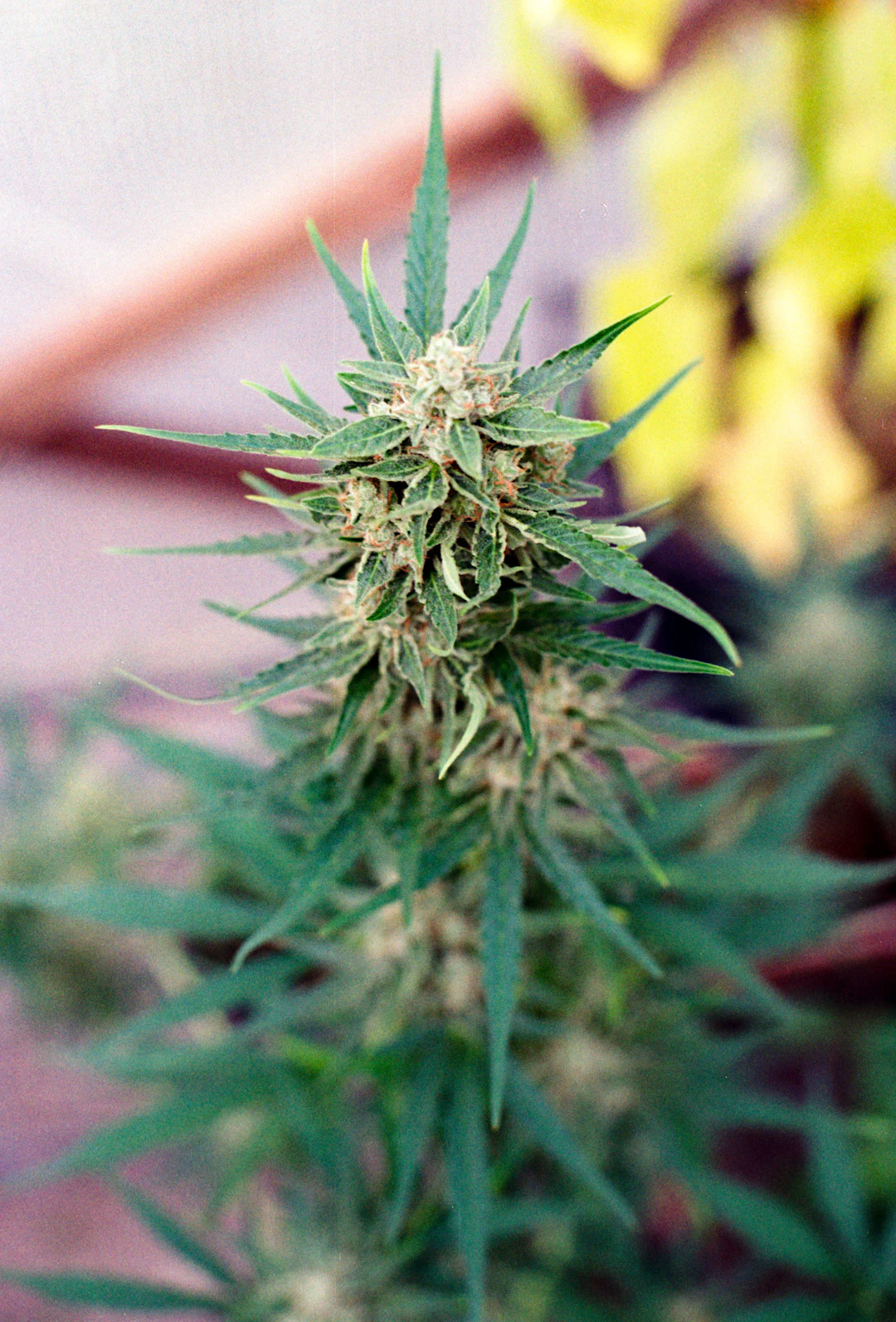
The cannabis plant contains over 100 different compounds known as cannabinoids. The most well-known among these are THC (tetrahydrocannabinol) and CBD (cannabidiol). Each cannabinoid has its unique properties, but they all interact with the body’s endocannabinoid system to modulate inflammatory responses.
Cannabinoids and Inflammation
CBD has garnered significant attention for its anti-inflammatory properties. Research indicates that CBD can inhibit the production of pro-inflammatory cytokines, thereby reducing inflammation and pain. Moreover, CBD does not produce the psychoactive effects associated with THC, making it an appealing option for patients seeking relief without the 'high'.
On the other hand, THC can bind with CB1 receptors in the brain to create a euphoric sensation while also offering anti-inflammatory benefits. Some studies suggest that THC may work synergistically with CBD to enhance therapeutic effects, making them a potent duo in the fight against inflammation.
The Power of Terpenes
Beyond cannabinoids, cannabis also contains numerous terpenes, aromatic compounds that contribute to the plant’s smell and flavor and may enhance its therapeutic effects. Some of the most promising terpenes for inflammation include:
Myrcene: Known for its sedative effects, myrcene also has anti-inflammatory properties.
Limonene: This terpene, often found in citrus fruits, has been shown to reduce inflammation and improve mood.
Caryophyllene: Unique among terpenes, it interacts with cannabinoid receptors and has anti-inflammatory capabilities.
The synergistic effect of cannabinoids and terpenes, often referred to as the "entourage effect," enhances the overall benefits of cannabis in treating inflammation. For those interested in exploring these effects further, consider reading about The Healing Power Of Terpenes.
Research and Evidence
Scientific studies have increasingly provided evidence supporting the anti-inflammatory effects of cannabis components. For example, a 2016 study published in the journal Molecular Pharmacology discovered that CBD could inhibit the release of glutamate, reducing neuroinflammation in the brain. Further clinical trials have indicated significant improvements in pain and mobility for arthritis patients using CBD oil.
Another study published in the Journal of Experimental Medicine demonstrated that THC could effectively reduce pain and inflammation in animal models. These findings are crucial in paving the way for more focused research on human subjects, exploring various strains and compositions of cannabis for optimal anti-inflammatory effects.
How to Use Cannabis for Inflammation
There are several methods to incorporate cannabis into your routine to combat inflammation. It is vital to consult with healthcare professionals knowledgeable in cannabis therapies before starting. Here are some popular methods:
Oils and Tinctures: Concentrated forms of cannabis that can be taken sublingually for quick absorption.
Topicals: Creams or balms infused with cannabis can be applied directly to areas of inflammation or pain.
Edibles: Infused foods provide long-lasting effects; however, the onset of relief may take longer.
Vaping: A method that provides quick relief by delivering cannabinoids directly into the bloodstream.
Always consider the appropriate dosage and delivery method based on your personal needs and consult your healthcare provider for guidance tailored to you.
Combining Cannabis with Other Natural Therapies
Cannabis is often most effective when used in conjunction with other natural therapies. Integrating dietary changes, physical therapy, and mindfulness practices can create a comprehensive approach to managing inflammation. For more information on blending cannabis with other natural therapies, check out Integrating Cannabis With Other Natural Therapies For Holistic Wellness.
Personal Testimonials and Experiences
A growing number of individuals have turned to cannabis as a natural alternative for inflammation relief. Personal stories often reveal transformative experiences. Many report significant improvements in daily functioning and reduced reliance on conventional medications with side effects. These testimonials underscore the potential cannabis has in mitigating inflammatory conditions and enhancing quality of life.
To gain more insights into the experiences of others, consider reading about Real Stories: Transformative Testimonials Of Cannabis Use For Health And Wellness.
A Bright Future for Cannabis Research
The rise of interest in cannabis for its therapeutic properties has sparked extensive research and discussions about its role in health and wellness. As more studies emerge, they pave the way for a deeper understanding of cannabis, its components, and their effects on inflammation and other health challenges. The future looks promising as scientists work to unlock the full potential of cannabis and its role in holistic healing.
A Natural Path to Wellness
In summary, cannabis presents a natural, compelling approach to addressing inflammation. With its diverse cannabinoids, beneficial terpenes, and growing body of research, it is clear that cannabis has a rightful place in discussions about health and wellness. Whether paired with traditional treatments or used as a standalone remedy, cannabis offers hope for those suffering from chronic inflammatory conditions. As always, make informed decisions and consult with professionals to navigate your path to wellness effectively.
FAQs
What is the role of cannabis in reducing inflammation?
Cannabis has been studied for its potential to reduce inflammation through its interaction with the body's endocannabinoid system, primarily via cannabinoids like CBD and THC.
What are cannabinoids and terpenes?
Cannabinoids are compounds found in the cannabis plant, with CBD and THC being the most well-known. Terpenes are aromatic compounds that can enhance the therapeutic effects of cannabinoids.
How does CBD help with inflammation?
CBD has anti-inflammatory properties and can inhibit the production of pro-inflammatory cytokines, helping to reduce inflammation and pain without producing psychoactive effects.
What methods can be used to consume cannabis for inflammation relief?
Cannabis can be consumed through oils and tinctures, topicals, edibles, and vaping, with the choice depending on individual needs and preferences.
What is the 'entourage effect' in cannabis?
The 'entourage effect' refers to the synergistic interaction of cannabinoids and terpenes in cannabis, which enhances its overall therapeutic benefits for conditions like inflammation.

Comments