
Can Cannabis Help with Sleep Disorders? Unlocking the Secrets to Restful Nights


Overview
Cannabis may help improve sleep disorders through its cannabinoids (like THC and CBD) and terpenes, which can promote relaxation and enhance sleep quality. While research shows potential benefits, individual responses vary, and it's essential to consult a healthcare professional before use. A holistic approach, including lifestyle changes, can further support better sleep.
Contents
In today's fast-paced world, getting a good night's sleep can be more challenging than ever. Many individuals find themselves tossing and turning, struggling to fall asleep or stay asleep for a full night. Sleep disorders, ranging from insomnia to sleep apnea, affect millions globally. As people seek natural remedies, the question arises: can cannabis help with sleep disorders? In this article, we'll explore the relationship between cannabis, cannabinoids, terpenes, and their potential to improve sleep quality.
Understanding Sleep Disorders and Their Impact
Sleep disorders manifest in various forms, including difficulty falling asleep, remaining asleep, or experiencing restful sleep. Common sleep disorders include:
Insomnia: The inability to fall asleep or stay asleep, affecting daily functioning.
Sleep Apnea: A condition where breathing repeatedly stops and starts during sleep.
Restless Legs Syndrome: An overwhelming urge to move the legs, causing discomfort and sleep disturbances.
Narcolepsy: A chronic disorder characterized by overwhelming daytime drowsiness and sudden sleep attacks.
These disorders can lead to significant health consequences, including mood disorders, decreased productivity, and chronic health issues. The quest for effective treatment options has led many to consider alternative therapies, such as cannabis.
The Science of Cannabis and Sleep
Cannabis contains over 100 chemical compounds known as cannabinoids, with two of the most well-known being THC (tetrahydrocannabinol) and CBD (cannabidiol). Each cannabinoid interacts with the body's endocannabinoid system, which plays a role in regulating various bodily functions, including sleep.
THC and Sleep
THC, the psychoactive component of cannabis, has been studied for its potential sedative effects. Some studies suggest that THC may help reduce the time it takes to fall asleep and increase the duration of sleep. It can lead to a deeper sleep, which is beneficial for individuals suffering from insomnia or other sleep disorders.
CBD and Its Role in Sleep
On the other hand, CBD, a non-psychoactive cannabinoid, has garnered attention for its therapeutic potential without the high associated with THC. Research indicates that CBD may have anxiolytic properties, reducing anxiety and stress that can interfere with sleep. By addressing these underlying issues, CBD may contribute to improved sleep quality.
Terpenes: The Aromatic Allies
In addition to cannabinoids, cannabis contains terpenes—aromatic compounds that contribute to the plant's scent and flavor. Terpenes also offer potential therapeutic benefits, enhancing the effects of cannabinoids. Some key terpenes associated with relaxation and sleep include:
Myrcene: Recognized for its earthy scent and sedative effects, myrcene has been linked to increased sleepiness.
Linalool: Known for its floral and spicy fragrance, linalool has calming properties, potentially easing anxiety.
Pinene: This terpene provides a fresh scent, which may help combat the memory impairment sometimes associated with THC.
The combination of cannabinoids and terpenes creates an "entourage effect," enhancing the sleep-promoting properties of cannabis. For individuals seeking relief from sleep disorders, understanding the specific strains of cannabis that contain beneficial terpenes can be valuable.
Research on Cannabis and Sleep Disorders
While anecdotal evidence supporting cannabis use for sleep improvement abounds, scientific research is gradually catching up. Various studies have explored how cannabis affects sleep:
Some clinical trials show that THC can shorten sleep latency (the time it takes to fall asleep) and lengthen total sleep time.
Other research indicates that CBD might improve sleep quality by reducing nighttime awakenings and promoting a more restful sleep.
However, it's important to note that results can vary significantly among individuals due to factors such as dosage, strain, and individual body chemistry. Furthermore, long-term effects have not been extensively studied, necessitating caution among potential users.
Using Cannabis for Sleep Disorders: A Guide
If you're considering cannabis as a remedy for sleep disorders, here’s a practical approach:
Consult a Healthcare Professional: It's vital to discuss your sleep issues and any potential cannabis use with a healthcare provider.
Choose the Right Strain: Different strains have unique combinations of cannabinoids and terpenes. Opt for strains known to promote relaxation and sleep.
Start Low and Go Slow: If you decide to try cannabis, start with a low dose and gradually increase it to find the optimal level for your needs.
Monitor Your Response: Keep track of how cannabis affects your sleep quality, duration, and any side effects. This will inform future use and help you communicate your experience to healthcare providers.
Exploring different consumption methods can also make a difference. Options include:
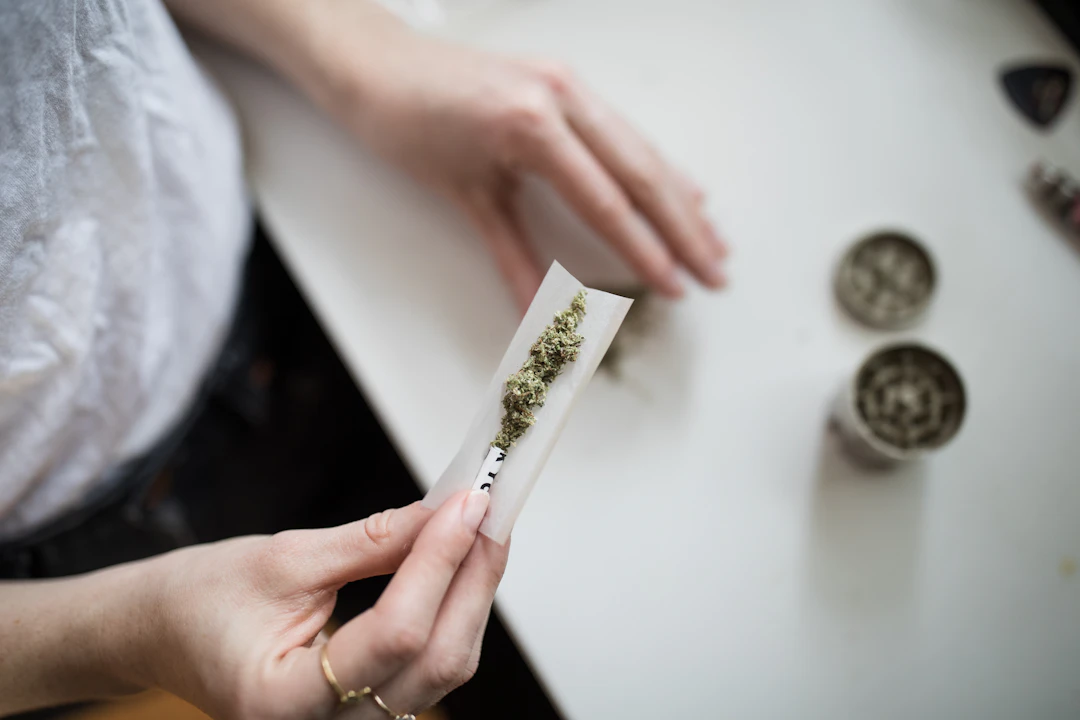
Smoking or Vaping: Provides quick effects but may not be ideal for long-term use due to respiratory concerns.
Edibles: Offer longer-lasting effects but may take longer to kick in, requiring careful dosage management.
Tinctures or Oils: Allow for flexible dosing and can be taken sublingually for quicker absorption.
Real Stories: Transformative Experiences with Cannabis
Individuals with sleep disorders have shared transformative experiences with cannabis, illustrating its potential benefits. You may find inspiration in these experiences, as they provide insight into how cannabis has changed lives. For more details, check out Real Stories Transformative Testimonials Of Cannabis Use For Health And Wellness.
The Holistic Approach to Sleep Wellness
While cannabis shows promise, it is essential to approach sleep health holistically. Incorporating lifestyle changes can enhance your overall sleep quality, including:
Establishing a Sleep Routine: Going to bed and waking up at the same time daily reinforces your body’s sleep-wake cycle.
Creating a Relaxing Environment: Ensure your sleep space is dark, quiet, and comfortable to promote relaxation.
Limiting Screen Time: Reducing exposure to blue light at night can improve melatonin production and sleep onset.
Mindfulness and Relaxation Techniques: Incorporate practices such as meditation or gentle yoga to reduce stress and prepare your body for sleep.
The Road Ahead: Future Research in Cannabis and Sleep
As interest in cannabis research grows, more studies are expected to outline its full potential and limitations as a treatment for sleep disorders. Understanding how various cannabinoids work, their optimal dosages, and their interaction with other sleep aids will pave the way for a more comprehensive understanding of cannabis in promoting sleep. Researchers are also looking into the long-term effects of cannabis use on sleep health, which is crucial for informed decision-making.
In the meantime, for those considering cannabis as a sleep aid, being mindful of individual responses and preferences plays an integral role in their journey toward better sleep. Whether you decide to incorporate cannabis into your routine or explore other therapies, understanding the options available can empower you to make informed decisions.
Embrace the Night with Confidence!
As you navigate the world of sleep disorders, consider the potential role of cannabis in your wellness journey. With careful consideration, personalized approaches, and a holistic mindset, achieving restful nights may be within your reach. Whether it's understanding the science behind cannabinoids, exploring the potential of terpenes, or embracing lifestyle changes, the journey towards improved sleep is multifaceted. Remember, continual research and anecdotal insights contribute to our understanding, so stay informed and engaged in your path to sleep wellness. For further insights into cannabis and its healing properties, visit Unlocking The Benefits Of Cannabis For Health And Wellness.
FAQs
Can cannabis help with sleep disorders?
Yes, cannabis may help improve sleep disorders by potentially reducing the time it takes to fall asleep and increasing the duration of sleep.
What are the common types of sleep disorders?
Common types of sleep disorders include insomnia, sleep apnea, restless legs syndrome, and narcolepsy.
What is the difference between THC and CBD in relation to sleep?
THC is the psychoactive component that may induce sedation and help with sleep onset, while CBD is non-psychoactive and may reduce anxiety, promoting better sleep quality.
How should one start using cannabis for sleep disorders?
Consult a healthcare professional, choose the right strain, start with a low dose, and monitor your response to find optimal use.
What other methods can improve sleep quality besides cannabis?
Establishing a sleep routine, creating a relaxing environment, limiting screen time, and incorporating mindfulness techniques can all enhance sleep quality.
Comments