
The Healing Power of Cannabis: Unveiling Its Role in Alternative Medicine


Overview
Cannabis is gaining recognition in alternative medicine for its therapeutic properties, particularly through cannabinoids like THC and CBD and aromatic terpenes. THC provides pain relief and psychoactive effects, while CBD offers anti-inflammatory and anti-anxiety benefits without intoxication. Terpenes enhance these effects and contribute to overall health benefits. With increasing accessibility and various consumption forms, Cannabis presents a viable option for managing chronic pain and anxiety. However, users should be mindful of potential risks and consult healthcare professionals before use. Continued research promises to expand its medicinal applications.
Contents
The world of alternative medicine is vast and continually evolving, with numerous practitioners exploring natural remedies and herbal solutions to common ailments. Among the myriad of options available, Cannabis stands out as a powerful player, boasting an impressive history of use dating back thousands of years. Today, as research proliferates, the role of Cannabis in alternative medicine is garnering increased attention, particularly concerning its active components: cannabinoids like THC and CBD, and aromatic compounds known as terpenes.
The Basics of Cannabis in Medicine
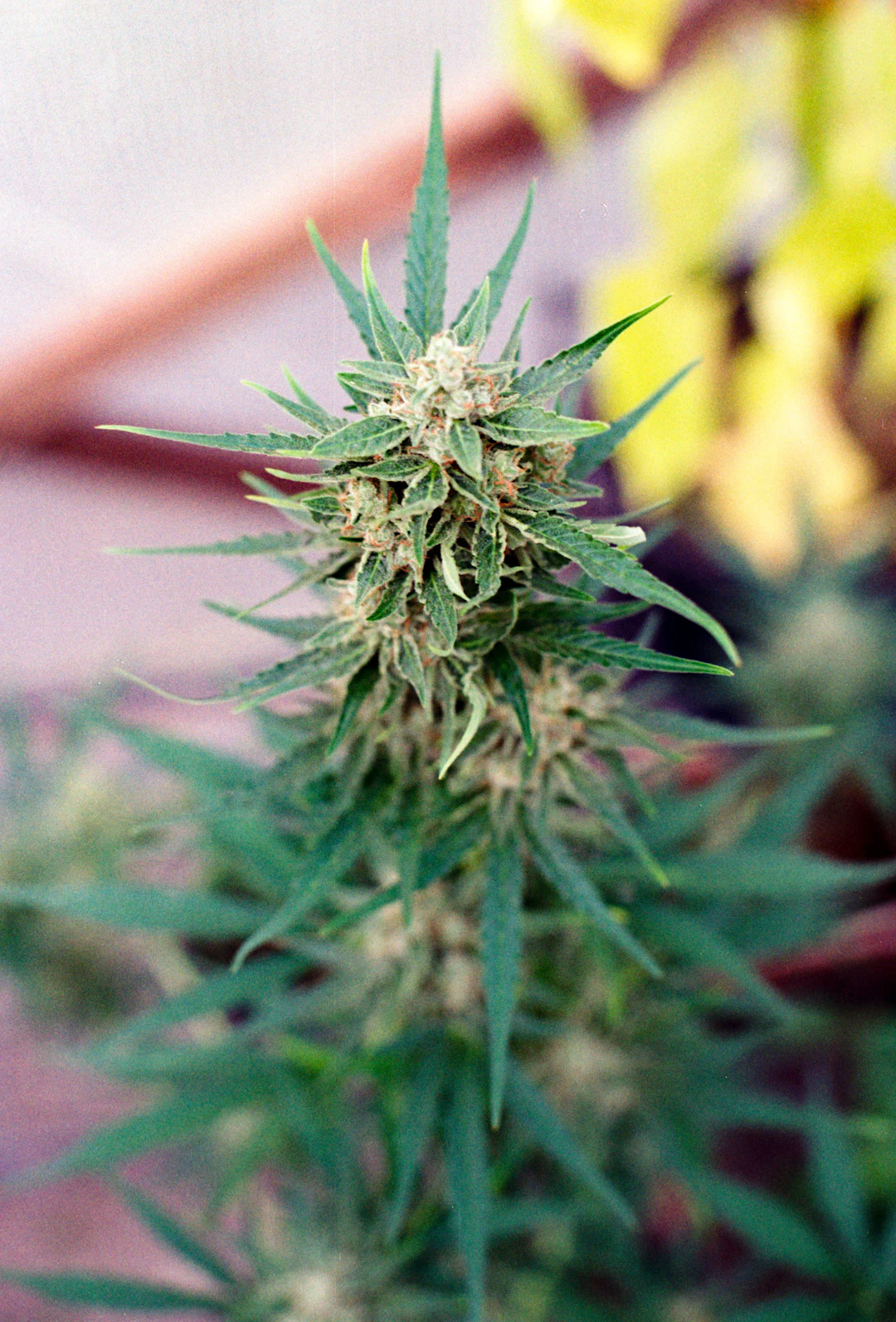
Cannabis, commonly referred to as marijuana, contains over 100 chemical compounds known as cannabinoids. The most well-known of these are THC (tetrahydrocannabinol) and CBD (cannabidiol). As researchers delve deeper into these compounds, they uncover remarkable therapeutic properties that make Cannabis a valuable asset in alternative medicine.
Understanding Cannabinoids
Cannabinoids are the active ingredients in Cannabis that interact with the body’s endocannabinoid system, a complex network of receptors and neurotransmitters influencing various physiological processes. This interaction can lead to a wide array of health benefits, making Cannabis a compelling subject of study within the medicinal field.
THC is primarily responsible for the psychoactive effects of Cannabis, allowing users to experience a "high". However, it also provides significant relief for conditions like chronic pain, muscle spasticity, and nausea.
CBD, on the other hand, is non-psychoactive and renowned for its potential anti-inflammatory, analgesic, and anxiolytic properties, helping to reduce anxiety and promote relaxation.
The Role of THC and CBD in Relief Treatment
Cannabis for Pain Management
Chronic pain is one of the most common reasons individuals turn to alternative medicine, and Cannabis proves to be an effective option. Numerous studies indicate that both THC and CBD contribute to pain relief by modifying pain perception pathways in the brain. Patients with conditions such as arthritis, fibromyalgia, and multiple sclerosis have reported significant improvements in their symptoms when integrating Cannabis into their treatment plans.
Anxiety and Stress Relief: A Natural Prescription
Anxiety disorders plague millions of individuals, often leading them to seek alternative treatments. Research suggests that CBD demonstrates promising anxiolytic effects, offering a sense of calm without the intoxicating effects of THC. Users frequently turn to Cannabis as a natural remedy, seeking its ability to alleviate symptoms of anxiety and stress.
The Therapeutic Potential of Terpenes
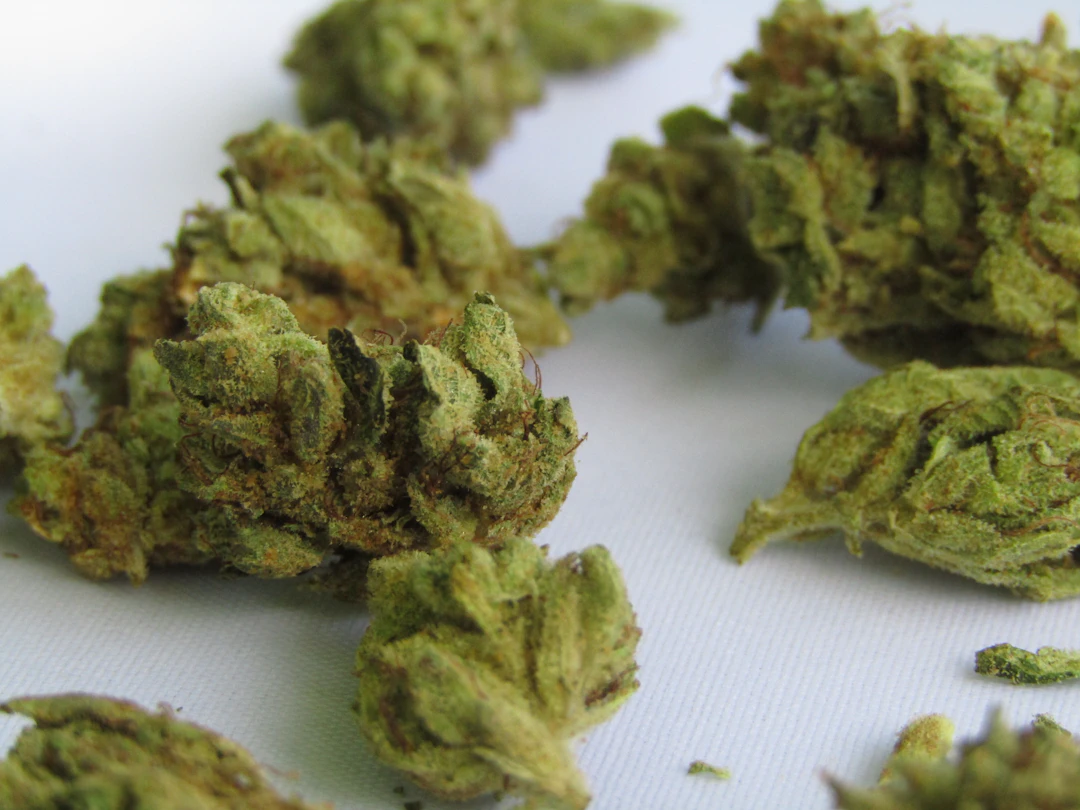
While cannabinoids draw most of the spotlight, another crucial component of Cannabis is terpenes. These aromatic compounds are responsible for the distinct smells and flavors of various cannabis strains, but they also offer potential health benefits.
Common Terpenes and Their Effects
Myrcene: Known for its sedative effects, this terpene may help with pain relief and decrease inflammation.
Limonene: Often associated with uplifting and mood-enhancing effects, limonene may reduce anxiety and stress.
Pinene: This terpene may assist in memory retention and has anti-inflammatory properties, presenting a unique advantage.
By leveraging the combined effects of cannabinoids and terpenes, Cannabis can foster an entourage effect—where the collective effects of both components provide more significant therapeutic benefits than either would alone.
Affordability and Accessibility of Cannabis
The evolving legal landscape surrounding Cannabis across various states and countries has led to increased accessibility for patients. This improvement allows individuals suffering from a variety of ailments to consider Cannabis as a viable alternative or complement to conventional treatment methods. Additionally, the growing number of dispensaries and online retailers provides consumers with more choices to find the right products tailored to their needs.
Forms of Cannabis for Alternative Medicine
As Cannabis continues to gain traction in alternative medicine, a variety of forms and consumption methods have emerged:
Oils and tinctures: Providing precise dosing and rapid absorption, these products have become popular for both THC and CBD delivery.
Edibles: Gummies, chocolates, and beverages infused with Cannabis offer an enjoyable way to medicate while providing longer-lasting effects.
Topicals: Creams and balms infused with CBD may provide localized relief from pain and inflammation without the psychoactive effects of THC.
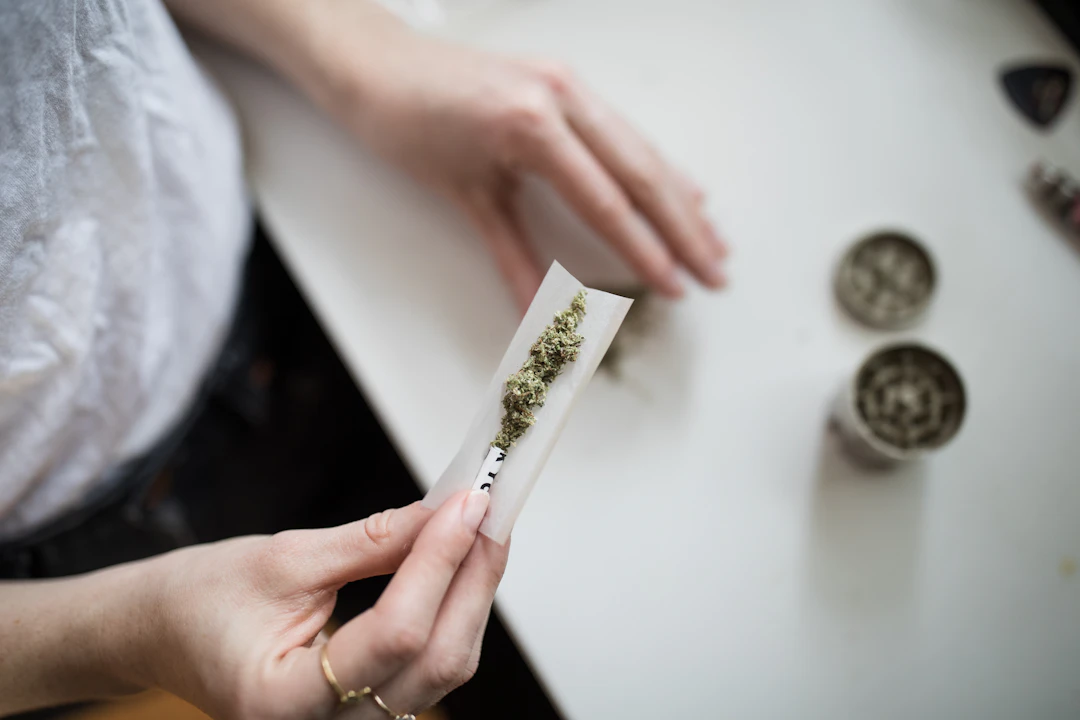
Vaping: Inhalation methods allow for quick onset of effects, making them a preferred choice for those experiencing acute symptoms.
Potential Risks and Considerations
While the therapeutic advantages of Cannabis in alternative medicine are widely acknowledged, it is crucial to approach its use with awareness. Potential risks and side effects exist, primarily associated with THC. These can include dizziness, fatigue, and impaired cognitive function, especially in individuals with a history of mental health issues. As such, consulting with healthcare professionals before integrating Cannabis into any treatment plan is highly recommended.
The Importance of Dosage and Regulation
Finding the right dosage can be challenging, as individuals may react differently to Cannabis products. Those interested in harnessing its benefits should start with low doses and gradually adjust until the desired effects are achieved. Furthermore, ensuring your product comes from a reputable source is imperative for quality assurance and safety. Keep an eye out for lab-test results and transparent ingredient lists when purchasing.
A Glimpse into the Future of Cannabis in Medicine
The ongoing research into the potential benefits of Cannabis solidifies its status as a critical component of alternative medicine. With continued studies validating the wellness properties of various cannabinoids and terpenes, we can expect novel applications to emerge, further extending the healing reach of Cannabis.
As authorities and advocates work towards increased acceptance and understanding of Cannabis, more patients will gain access to alternative treatments that can improve their quality of life. The future of Cannabis in alternative medicine holds promise, with endless possibilities awaiting discovery.
Embrace the Change: Exploring Cannabis as a Path to Healing
The resurgence of Cannabis in medicinal practices signals a shift towards acknowledging natural remedies as effective health solutions. By considering its potential to alleviate pain, reduce anxiety, and improve overall well-being, individuals have an opportunity to integrate Cannabis into their lives for holistic healing. Whether through THC, CBD, or the vibrant array of terpenes, the journey towards finding relief might be both enlightening and liberating.
As more individuals begin to explore the soothing embrace of nature through Cannabis, it becomes evident that we are witnessing the dawn of a new era in alternative medicine. The exploration of Cannabis offers hope, healing, and a pathway to wellness that deserves attention and respect.
FAQs
What is Cannabis and how is it used in alternative medicine?
Cannabis, commonly known as marijuana, contains over 100 chemical compounds called cannabinoids. It is used in alternative medicine for its therapeutic properties, especially those of THC and CBD, providing potential relief for various health issues.
What are the main cannabinoids in Cannabis and their effects?
The most well-known cannabinoids in Cannabis are THC (tetrahydrocannabinol) and CBD (cannabidiol). THC is psychoactive and can relieve chronic pain and nausea, while CBD is non-psychoactive and known for its anti-inflammatory and anxiety-reducing properties.
How can Cannabis assist with pain management?
Cannabis can assist with pain management by affecting the brain's pain perception pathways. Patients with conditions like arthritis and fibromyalgia have reported significant symptom improvements when using Cannabis for pain relief.
What are terpenes and how do they contribute to the healing effects of Cannabis?
Terpenes are aromatic compounds in Cannabis that can offer health benefits. They work alongside cannabinoids to create an entourage effect, enhancing the overall therapeutic benefits of Cannabis.
Are there any risks associated with using Cannabis for medical purposes?
Yes, potential risks include dizziness, fatigue, and impaired cognitive function, particularly with THC. It is important to consult with healthcare professionals before using Cannabis as part of a treatment plan.
Comments