
The Future of Cannabis Research in Health and Wellness: Unlocking Nature's Secrets


Overview
The blog discusses the evolving perception and research of cannabis, highlighting its potential health benefits through cannabinoids like THC and CBD, and terpenes. Key areas of focus include medical applications, terpene synergy, personalized medicine, and the importance of ongoing research. The future of cannabis research looks promising, with possibilities for integration with traditional medicine and technological advancements enhancing personalized treatments.
Contents
The cannabis plant has been the focus of research for decades, and in recent years, the world has witnessed a significant shift in its perception. As more people embrace cannabis as a viable option for health and wellness, understanding its benefits becomes essential. The future of cannabis research looks promising, particularly in the realms of cannabinoids, terpenes, THC, and CBD. This article explores the evolving landscape of cannabis research and how it could potentially reshape our approach to health and wellness.
1. Understanding Cannabis: A Brief Overview
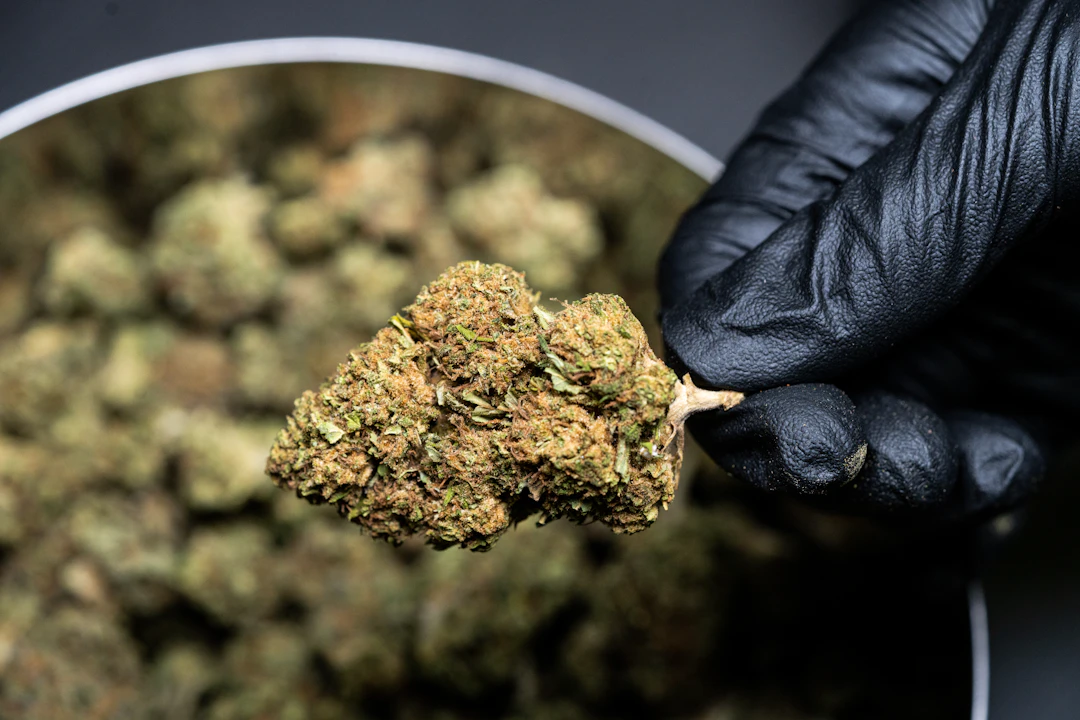
Cannabis, often referred to as marijuana, is a plant that has been used for centuries for various medicinal and recreational purposes. It contains over 100 different cannabinoids, with the most notable being THC (tetrahydrocannabinol) and CBD (cannabidiol). THC is known for its psychoactive effects, while CBD has gained popularity for its therapeutic potential without the high. The diversity of cannabinoids and terpenes in cannabis is what makes this plant so unique.
Terpenes are aromatic compounds found in many plants, including cannabis, and they play a crucial role in the plant’s characteristics. These compounds not only produce the distinct smells and flavors associated with different cannabis strains but also interact with cannabinoids, influencing their effects and therapeutic properties. Understanding the complex interactions between cannabinoids and terpenes is a key area of research for future cannabis studies.
2. Current Trends in Cannabis Research
As the legality of cannabis continues to evolve worldwide, researchers are becoming increasingly interested in exploring its potential benefits. Current trends in cannabis research include:
Medical Applications: Cannabis is being studied for its potential to treat chronic pain, inflammation, anxiety, and even certain cancers. Research indicates that cannabinoids like THC and CBD can provide therapeutic effects without the side effects typically associated with conventional medications.
Terpene Synergy: The entourage effect, a theory suggesting that cannabinoids and terpenes work synergistically, is gaining traction in scientific circles. Researchers are investigating the specific roles of terpenes in enhancing the effects of cannabinoids, opening new avenues for tailored treatments.
Personalized Medicine: As we delve deeper into the genetic and biological factors that influence how individuals respond to cannabis, personalized treatment plans can be developed for varying conditions. This could revolutionize how patients use cannabis for health and wellness.
Safety and Regulations: With the rise of cannabis strains marketed for specific effects, there's a growing need for research into product safety and efficacy. Establishing clear regulations will help to ensure consumers benefit from effective and safe products.
3. The Role of Cannabinoids in Health and Wellness
Cannabinoids are at the center of cannabis research, particularly THC and CBD. Understanding their roles in health and how they can be harnessed for wellness benefits is vital for future studies.
3.1 The Benefits of THC
THC is primarily known for its psychoactive effects, but its medicinal properties are also significant. Some potential benefits of THC include:
Pain Relief: THC has been shown to alleviate chronic pain by altering the perception of pain in the brain.
Appetite Stimulation: For patients undergoing treatments such as chemotherapy, THC can help stimulate appetite, making it easier for them to maintain their health.
Sleep Aid: THC may assist those struggling with insomnia by promoting sleep and reducing sleep disturbances.
3.2 The Benefits of CBD
CBD has been heralded for its wide range of health benefits without causing the high associated with THC. Some of its therapeutic properties include:
Anti-inflammatory: CBD has been shown to reduce inflammation, making it a potential treatment for conditions like arthritis.
Anxiety Reduction: Many studies indicate that CBD can help alleviate symptoms of anxiety and stress.
Neuroprotective Properties: Research suggests that CBD may protect against neurodegenerative diseases, enhancing brain health over time.
4. Terpenes: The Unsung Heroes of Cannabis
As cannabis research progresses, terpenes are being recognized for their potential contributions to health and wellness. These compounds enrich the user experience and may enhance the therapeutic effects of cannabinoids. Some notable terpenes include:
Myrcene: Known for its relaxing effects, myrcene may help reduce pain and enhance sleep quality.
Pinene: Often associated with improved focus and memory retention, pinene may counteract some of the short-term memory effects of THC.
Limonene: This citrus-scented terpene is celebrated for its mood-enhancing properties, potentially alleviating stress and anxiety.
5. The Importance of Ongoing Research
Continued research into cannabis and its components is crucial for several reasons:
Expanding Knowledge Base: Each study adds depth to our understanding of how cannabinoids and terpenes interact with the human body.
Informed Healthcare Decisions: As knowledge grows, healthcare providers can make more informed choices in recommending cannabis products to patients.
Reducing Stigma: Research helps to demystify cannabis and its use, encouraging more individuals to consider its therapeutic potential without stigma.
6. The Future: What Lies Ahead?
As we look to the future of cannabis research in health and wellness, several exciting pathways present themselves:
6.1 Integration with Traditional Medicine
One promising direction is the integration of cannabis-based therapies with traditional medical practices. As more healthcare professionals become educated about the benefits of cannabis, we may witness innovative treatment plans that involve both cannabis and conventional treatments.
6.2 Technology and Innovation
The rise of technology in research is also paving the way for new discoveries. Advancements in genetic testing and artificial intelligence could aid in creating personalized cannabis regimens that are tailored to an individual’s health needs. Additionally, innovative delivery systems, such as transdermal patches and edibles, are being explored to maximize the efficacy of cannabinoids.
6.3 Global Collaborative Research
Given the global nature of cannabis research, collaborative efforts will play a significant role in uncovering its potential. By pooling resources, researchers from different parts of the world can work together to ensure a comprehensive evaluation of cannabis and its health benefits.
7. Embracing a Holistic Approach to Health and Wellness
The exploration of cannabis, cannabinoids, and terpenes is transforming the health and wellness landscape. With deeper insights into how these compounds influence our bodies, we are poised to move toward a more holistic approach to health care. By embracing the therapeutic potential of cannabis while integrating traditional medical practices, a future abundant with health possibilities awaits.
With every new study that emerges, we approach a better understanding of cannabis's role in health and wellness. This growing body of knowledge may lead to a paradigm shift in how we perceive and utilize natural remedies, including cannabinoids and terpenes. The future of cannabis research holds promise not just for therapeutic breakthroughs, but for reshaping the entire healthcare landscape, paving the way for innovative treatments that prioritize patient well-being.
FAQs
What is the main focus of cannabis research in health and wellness?
The main focus of cannabis research in health and wellness is to understand the benefits of cannabinoids, terpenes, THC, and CBD and how they can reshape our approach to health.
What are cannabinoids and why are they important?
Cannabinoids are active compounds found in cannabis, with THC and CBD being the most notable. They are important due to their potential medicinal properties and health benefits.
How do terpenes contribute to cannabis effects?
Terpenes are aromatic compounds in cannabis that not only give distinct smells and flavors but also interact with cannabinoids, potentially enhancing their therapeutic effects.
What are some current trends in cannabis research?
Current trends include exploring medical applications for conditions such as chronic pain and anxiety, studying terpene synergy, personalized medicine, and establishing safety regulations.
What does the future hold for cannabis research?
The future of cannabis research may involve integrating cannabis therapies with traditional medicine, leveraging technology for personalized treatments, and fostering global collaborative research for comprehensive evaluation.


Comments