


The Fascinating Journey of Cannabis in Medicine: A Historic Perspective

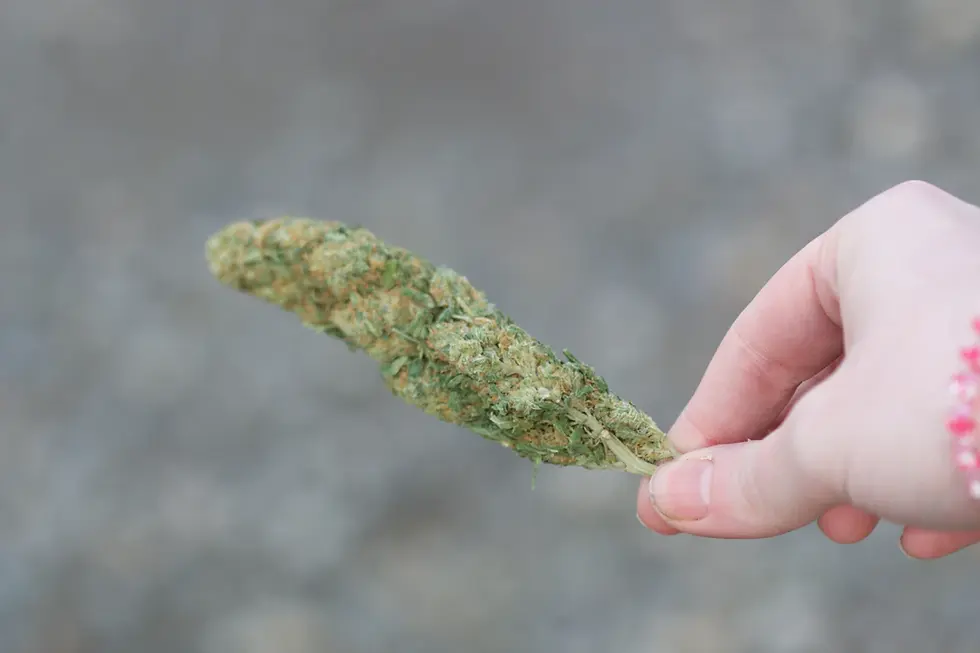
Cannabis has an illustrious history that intertwines deeply with human civilization's progress in the realm of medicine. What was once considered a forbidden plant has now become a focal point of scientific research and medical applications. This post aims to delve into the rich tapestry of cannabis in medicine from antiquity to modern-day practices, showcasing its evolution and significance.
The Ancient Roots of Cannabis Medicine
Historians trace the medicinal use of cannabis back to ancient civilizations. One of the earliest recorded uses can be attributed to the Chinese Emperor Shen Nong, around 2737 BC. Renowned for his contributions to herbal medicine, Shen Nong documented the therapeutic properties of cannabis in the ancient Chinese pharmacopoeia.
In ancient Egypt, cannabis was utilized for a multitude of ailments including inflammation and pain relief. The Ebers Papyrus, dating back to 1550 BC, mentions the use of cannabis in treating various medical conditions. Similarly, the Assyrians generously used cannabis to alleviate their ailments and even in spiritual rituals, reinforcing the plant's importance in historical contexts.
Cannabis in the Middle Ages
As time marched on, the use of cannabis in medicine matured and spread across different cultures. During the Middle Ages, cannabis found its way into various medical compendiums. In the 9th century, Persian physician Ahmad ibn al-Bunni wrote about its ability to treat ailments such as pain, sleep disorders, and even epilepsy.
The cultivation and usage of cannabis were not limited to the Eastern world. In Europe, hemp plants, a variety of cannabis, were grown extensively for their fibers. However, the medicinal qualities of cannabis were also noted, particularly by herbalists. The plant was commonly used to ease conditions like gout, migraines, and even as an anesthetic during surgical procedures.
The Rise of Cannabinoids: From Folklore to Science
As history progressed into the 19th century, the understanding of cannabis began to evolve scientifically. The isolation of THC and CBD, the primary cannabinoids in cannabis, marked a pivotal moment in the medicinal narrative of the plant.
In the early 1800s, Irish doctor William Brooke O'Shaughnessy reintroduced cannabis to Western medicine after observing its efficacy in India. Through his studies, he demonstrated its ability to treat a myriad of conditions, from muscle spasms to nausea. This sparked a wave of interest in cannabinoids and their potential benefits.
The Reformation Era: Legalities and Social Perceptions
The early 20th century, however, presented a dramatic shift for cannabis. Amidst a changing social landscape, misconceptions about the plant grew, leading to the criminalization of cannabis throughout the USA and many parts of the world. This resulted in the substantial decline of cannabis as a medicinal option, despite its proven benefits.
The Modern Paradigm Shift: Rediscovery of Cannabis
Fast forward to the late 20th century and into the 21st century, where a renaissance in the acceptance of cannabis unfolds. New research has illuminated the complexity of the plant, revealing a fascinating world of cannabinoids and terpenes that contribute to its therapeutic effects.
Patients and medical professionals have gradually begun to recognize the effectiveness of cannabis in treating chronic pain, anxiety, and other disorders. States across the US started legalizing medical cannabis, allowing patients access to cannabinoid-rich therapies such as CBD oil, which is renowned for its anti-inflammatory properties without the psychoactive effects associated with THC.
The Science Behind Cannabis: Cannabinoids and Terpenes
Cannabis is not just a single entity but a complex plant teeming with various cannabinoids and terpenes. Cannabinoids, like THC and CBD, interact with receptors in the endocannabinoid system, an integral part of the human body that helps maintain homeostasis. The psychoactive compound THC produces effects that can alter perception, while CBD is noted for its calming, non-intoxicating effects.
Unpacking Terpenes
While cannabinoids are often the focus, terpenes—the aromatic compounds in cannabis—play a significant role in the plant's medicinal attributes. These compounds not only influence the plant's scent and flavor but also synergize with cannabinoids to enhance therapeutic effects, a phenomenon known as the "entourage effect." Common terpenes like myrcene and limonene are believed to contribute to the anti-inflammatory and mood-boosting properties of cannabis.
Current Applications and Research
Today, research into cannabis continues to expand, with scientists exploring its potential in treating a wide array of conditions. Studies have shown promising results for cannabis in the management of chronic pain, multiple sclerosis, epilepsy, and even certain cancers. The growing acceptance of cannabis is fueled by an ever-increasing body of evidence showcasing its benefits.
Moreover, CBD has garnered immense popularity for its application in treating anxiety, depression, and insomnia, paving the way for innovative products such as edibles, oils, and capsules. Patients seeking alternatives to traditional pharmaceuticals are increasingly turning to cannabis-derived therapies, leading to a healthcare revolution.
The Regulatory Landscape: Navigating Challenges
Despite the positive momentum, the road ahead is not without challenges. The legal landscape surrounding cannabis remains fragmented, with regulations varying drastically by region. Advocacy groups continue to push for more comprehensive legislation, paving the way for broader access and research opportunities.
Furthermore, misinformation about cannabis persists, leading to stigma and hesitance among some medical professionals. Education is key in overcoming these hurdles, as both practitioners and patients benefit from understanding the science behind cannabis and its role in modern medicine.
Embracing the Future of Cannabis in Medicine
While cannabis has traversed a long and tumultuous path, the future looks promising. With ongoing research and increasing acceptance, cannabis can potentially play a significant role in healthcare innovation. However, for its full potential to be realized, a cooperative effort between researchers, lawmakers, and advocates is essential.
The increasing popularity of cannabis also brings opportunities for formulation variations, enhancing efficacy through targeted cannabinoid and terpene profiles. As understanding deepens, patients may soon avail themselves of tailored cannabis therapies to meet their specific health needs.
Why Cannabis Matters Now More Than Ever
The history of cannabis in medicine illustrates not just the plant's medicinal value, but also how societal perceptions shape its acceptance. As we continue to peel back the layers of cannabis, we unveil its true potential to enhance well-being and improve lives.
Whether you're a patient exploring alternatives for chronic conditions or a curious enthusiast eager to understand the science behind cannabis, the journey of this remarkable plant is just beginning. With a renewed focus on research and education, the narrative surrounding cannabis is transitioning from one of stigma to acceptance, offering hope to millions in need. Embrace the evolution of cannabis in medicine; the future is bright and full of promise!
FAQs
What is the historical significance of cannabis in medicine?
Cannabis has a rich history in medicine, with its use documented as far back as ancient civilizations like China and Egypt, where it was employed for various ailments.
Who was one of the earliest figures to document the medicinal properties of cannabis?
The Chinese Emperor Shen Nong is credited with one of the earliest recorded uses of cannabis for medicinal purposes around 2737 BC.
How did the perception of cannabis change in the early 20th century?
In the early 20th century, misconceptions about cannabis emerged, leading to its criminalization in the USA and a decline in its acceptance as a medicinal option, despite its known benefits.
What are cannabinoids and terpenes, and why are they important in cannabis?
Cannabinoids, like THC and CBD, interact with the body's endocannabinoid system, while terpenes influence the plant's aroma and therapeutic effects, enhancing overall medicinal benefits.
What is the current status of cannabis research and its applications in medicine?
Research on cannabis is expanding, showing promising results for various conditions like chronic pain, anxiety, and epilepsy, with increasing acceptance and development of cannabis-derived therapies.


Comments