
Cannabis for Neuroprotection: What Science Reveals


Overview
Cannabis shows promise for neuroprotection, with THC and CBD exhibiting potential therapeutic benefits for neurological disorders like Alzheimer's, Parkinson's, and multiple sclerosis. Understanding the interaction of cannabinoids and terpenes can enhance health outcomes. As research progresses, cannabis may become a vital tool in neurological health, highlighting the importance of informed usage and professional guidance.
Contents
Cannabis has been a topic of discussion for centuries, but recent scientific advancements are shedding light on its potential therapeutic benefits, particularly in the realm of neuroprotection. With the growing interest in health and wellness, understanding how cannabis, terpenes, and cannabinoids interact with the human body is essential. In this blog, we'll delve into the science behind THC and CBD, their neuroprotective properties, and how they might change the future of neurological health.
The Basics of Cannabis
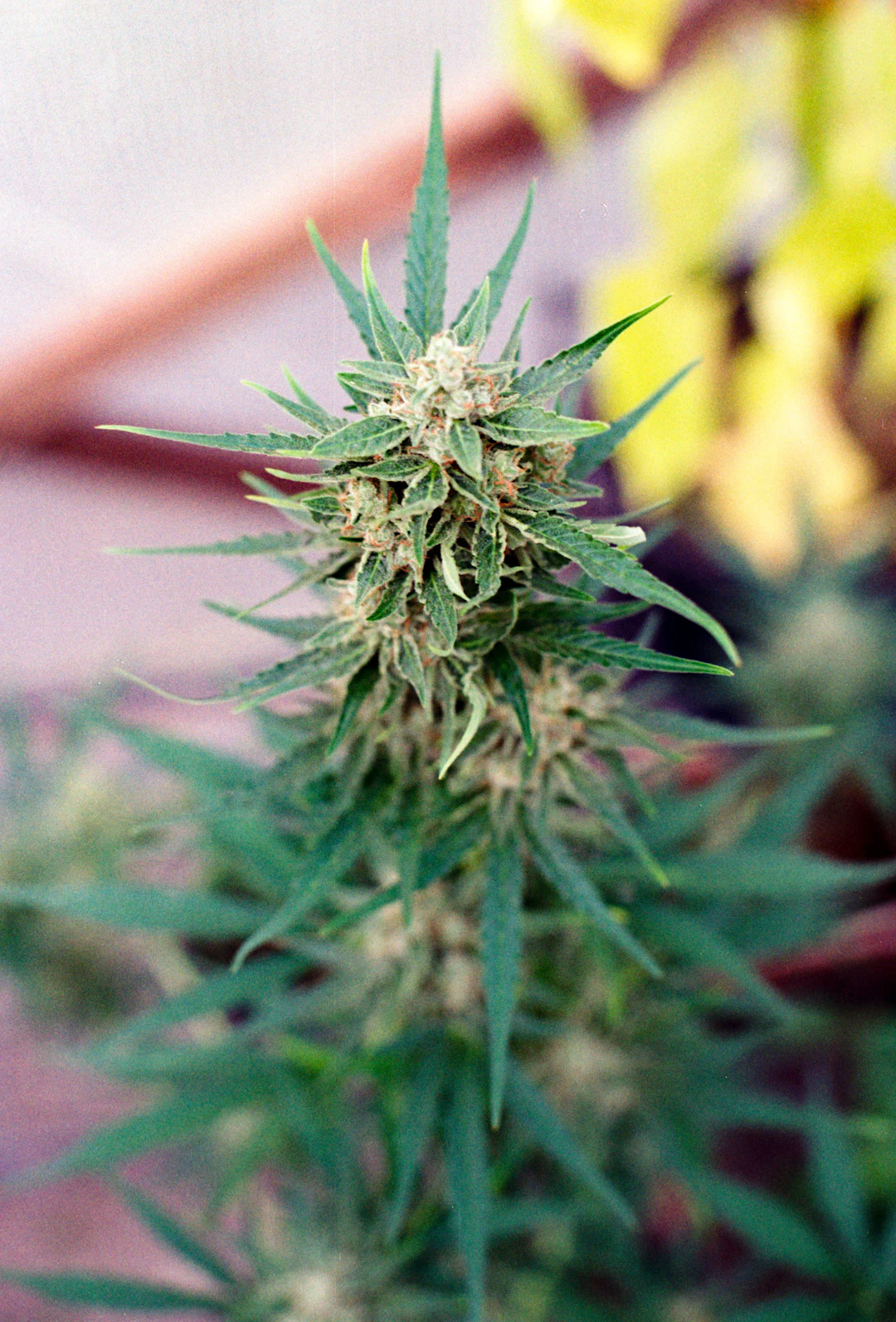
Cannabis is a plant that has been utilized for both recreational and medicinal purposes. At the core of its medicinal benefits are compounds known as cannabinoids. These substances mimic the naturally occurring compounds in our bodies called endocannabinoids, which are involved in various physiological processes including pain sensation, mood, appetite, and memory.
Understanding Cannabinoids
Among the many cannabinoids, two of the most studied are THC (tetrahydrocannabinol) and CBD (cannabidiol). Each of these compounds has distinct effects on the body:
THC: Known for its psychoactive properties, THC is responsible for the “high” that many users experience. However, beyond recreational use, THC also has potential therapeutic applications.
CBD: Unlike THC, CBD does not produce a high. It has gained popularity for its anti-inflammatory, anxiolytic, and neuroprotective properties, making it a promising candidate for treating various neurological disorders.
The Role of Terpenes
Cannabis is not just about cannabinoids; it also contains aromatic compounds known as terpenes. These compounds contribute to the plant's aroma and flavor and may also influence its therapeutic effects. Some of the most recognized terpenes include:
Myrcene: Often associated with sedative effects.
Linalool: Known for its potential anxiety-reducing properties.
Caryophyllene: Recognized for its anti-inflammatory benefits.
The synergy between cannabinoids and terpenes is known as the “entourage effect.” This concept suggests that the therapeutic benefits of cannabis are not solely reliant on individual compounds, but rather on the collective interaction of all its components.
The Science of Neuroprotection
Neuroprotection refers to the process of preserving neuronal structure and function in the face of potential damage. Several neurological conditions, such as Alzheimer’s disease, Parkinson’s disease, and multiple sclerosis, have prompted research into neuroprotective strategies, and cannabis has surfaced as a noteworthy candidate.
Cannabis and Neurodegenerative Disorders
Research indicates that both THC and CBD exhibit neuroprotective effects, which could lead to the development of new treatment strategies. Here’s how they may contribute:
THC: Studies have shown that THC can help reduce inflammation in the brain and manage symptoms associated with neurodegenerative diseases. It may aid in the stimulation of neurogenesis, the process by which new neurons are formed, which is vital for brain health.
CBD: CBD has gained attention for its ability to mitigate oxidative stress and inflammation, which are significant players in neurodegenerative diseases. Research points to CBD as a potential means to slow down the progression of conditions like Alzheimer’s by targeting amyloid plaques in the brain.
Clinical Evidence and Studies
While anecdotal evidence exists, numerous studies lend credibility to the potential neuroprotective properties of cannabis. Let’s take a look at some key findings:
1. Alzheimer's Disease
A 2016 study published in the journal “Nature” found that THC can bind to cannabinoid receptors and may help clear the amyloid beta peptide, a protein that accumulates in the brains of Alzheimer's patients. This suggests a potential role of THC in mitigating the risk of developing Alzheimer's disease.
2. Multiple Sclerosis
Clinical trials have highlighted the efficacy of CBD and THC in reducing spasticity and improving mobility in individuals suffering from multiple sclerosis. The combination of these cannabinoids may provide relief from the painful symptoms associated with this debilitating disease.
3. Parkinson’s Disease
A small-scale study indicated that CBD can help with sleep disturbances and the psychosocial aspects affecting patients with Parkinson’s. While more extensive research is needed, these initial findings offer hope toward therapeutic interventions involving cannabis.
Incorporating Cannabis for Your Health
The idea of using cannabis for neuroprotection has become increasingly appealing. As legalization spreads and research continues, individuals are now eager to understand how to incorporate THC and CBD into their wellness routines.
Dosage and Consumption Methods
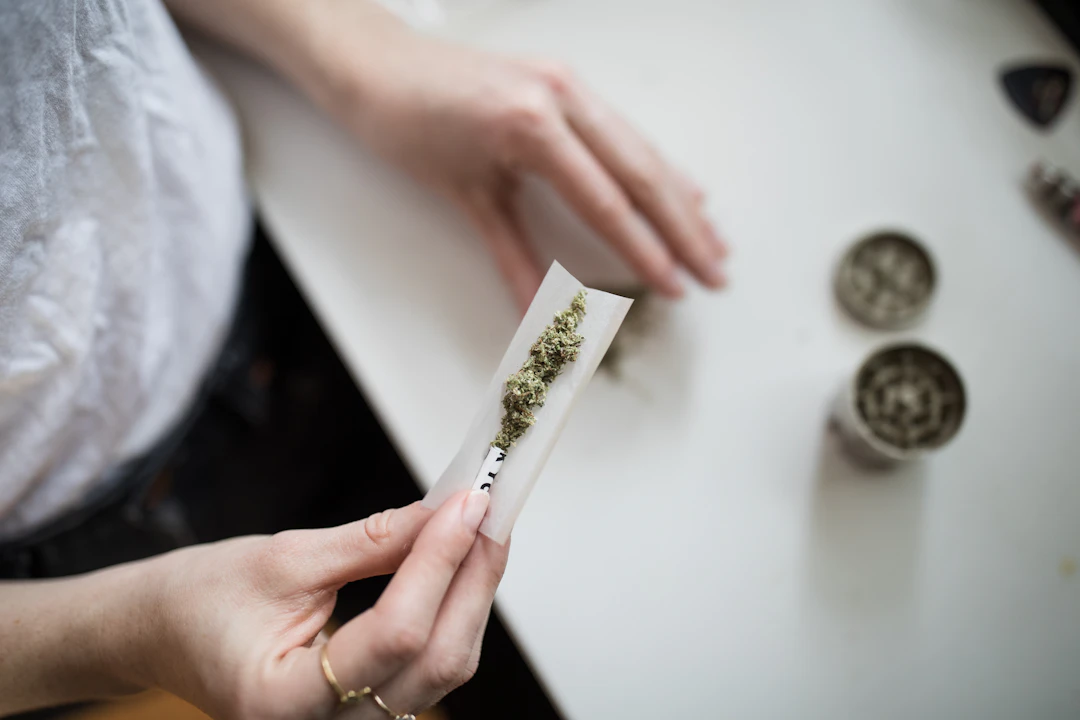
When considering cannabis for neuroprotection, choosing the right dosage and consumption method is crucial. Here are some common forms of consumption:
Oils and tinctures: These provide precise dosing and can be added to foods or taken sublingually.
Edibles: Food infused with CBD or THC can offer long-lasting effects but may take longer to feel.
Vaping: This method allows for quick onset but may not be suitable for everyone due to potential lung irritation.
Always consult with a healthcare professional before beginning any new supplement regimen, especially when it involves cannabis.
The Future of Cannabis in Neuroprotection
As we continue to unravel the complex relationship between cannabis and neural health, the potential applications in neuroprotection are vast and varied. Ongoing research promises to refine our understanding, pinpoint optimal dosages, and elucidate the specific mechanisms behind the protective effects of cannabinoids. Additionally, the development of tailored cannabinoid formulations considering individual variability is likely to emerge, paving the way for more personalized approaches in treatment.
Why You Should Be Paying Attention
The narrative around cannabis, especially concerning neuroprotection, is evolving. As more states and countries begin to embrace the therapeutic potentials of cannabis, greater exposure to science and findings will benefit both consumers and practitioners alike. For those interested in alternative therapies, understanding the implications of THC, CBD, and terpenes can empower informed decisions in health care.
Let's Take the Journey Together
Exploring the capabilities of cannabis for neuroprotection can be a transformative journey. As science continues to reveal insights into the synergy of cannabinoids and terpenes, it's vital to stay informed about how these compounds can improve health and well-being. Knowledge is power, and by integrating cannabis knowledge into your wellness routine, you could potentially optimize your neurological health. Stay curious, keep learning, and embrace the future of cannabis science!
FAQs
What is the main focus of the blog on cannabis for neuroprotection?
The blog discusses the potential therapeutic benefits of cannabis, particularly its neuroprotective properties, and how compounds like THC and CBD interact with the human body to influence neurological health.
What are cannabinoids and their role in cannabis?
Cannabinoids are compounds in cannabis that mimic the body's natural endocannabinoids. They play a role in various physiological processes, including pain sensation, mood regulation, appetite, and memory.
How do THC and CBD differ in their effects?
THC is psychoactive and is known for producing a 'high,' while CBD does not produce a high and is recognized for its anti-inflammatory, anxiolytic, and neuroprotective properties.
What is the entourage effect in cannabis?
The entourage effect refers to the synergistic interaction between cannabinoids and terpenes in cannabis, suggesting that the therapeutic benefits are enhanced when these compounds work together rather than in isolation.
What precautions should be taken when using cannabis for neuroprotection?
It is important to consult with a healthcare professional before starting any cannabis regimen, especially regarding the appropriate dosage and consumption method.
Comments