
A Beginner's Guide to Cannabis for Wellness: Unlocking Nature's Healing Potential

Overview
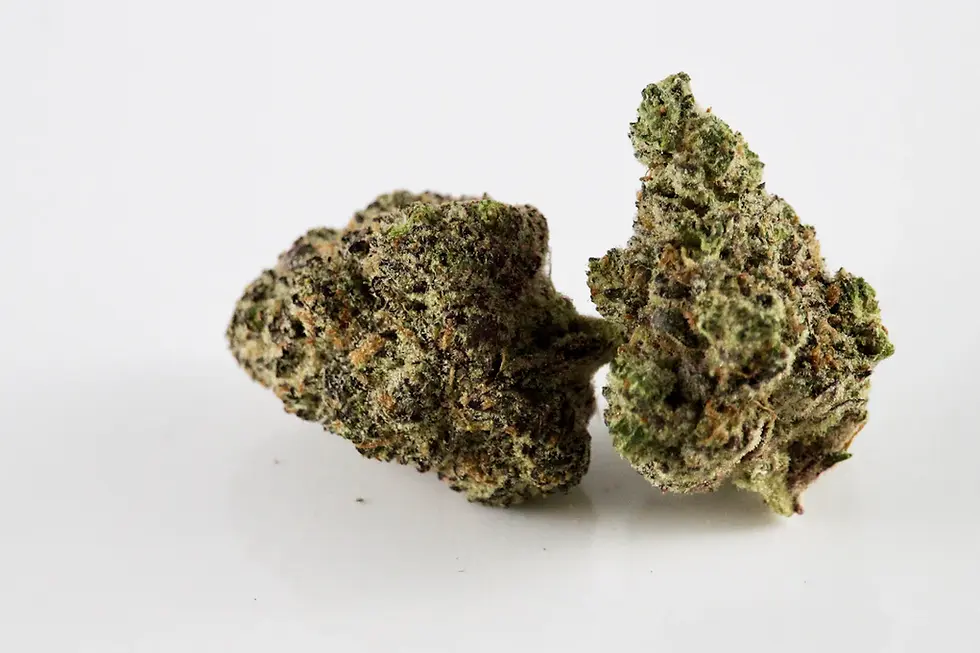
This guide offers a beginner-friendly overview of using cannabis for wellness, covering key components like cannabinoids (THC and CBD) and terpenes. It highlights the potential benefits of cannabis for chronic pain relief, anxiety and depression alleviation, improved sleep quality, and digestive health. The article emphasizes the importance of understanding different strains, consumption methods, and dosage, while also advising consultation with healthcare professionals and awareness of local cannabis laws.
Contents
In recent years, Cannabis has made significant strides in the wellness community, attracting attention from those seeking natural alternatives to conventional medicine. This guide aims to provide beginners with a comprehensive overview of how cannabis can be utilized for wellness, while exploring the key components like cannabinoids, terpenes, THC, and CBD. Whether you’re curious about its benefits or contemplating a cannabis-based wellness routine, this article is your starting point.
Understanding Cannabis
Cannabis is a flowering plant that has been used for thousands of years for its medicinal and recreational properties. The plant contains a rich variety of chemicals, primarily cannabinoids, that interact with the human body to produce a range of effects. The two most recognized cannabinoids are THC (tetrahydrocannabinol) and CBD (cannabidiol), each offering unique benefits and effects.
The Power of Cannabinoids
Cannabinoids are the chemical compounds found in cannabis that interact with the body’s endocannabinoid system, a complex cell-signaling system that plays a critical role in regulating various physiological processes such as pain, mood, and immune response. Here's a closer look at the most important cannabinoids:
THC: The psychoactive compound that induces a "high" sensation. THC is often used for pain relief, appetite stimulation, and alleviating nausea.
CBD: A non-psychoactive cannabinoid that has gained popularity for its calming and therapeutic properties. It is often used for managing anxiety, chronic pain, and inflammation without the high associated with THC.
Exploring Terpenes: The Unsung Heroes of Cannabis
While cannabinoids often steal the spotlight, terpenes play a crucial role in the cannabis experience. Terpenes are aromatic compounds found in many plants, including cannabis, and contribute to the distinctive smells and flavors of different strains. More importantly, they can also influence the therapeutic effects of cannabis. Here are a few well-known terpenes:
Limonene: Citrus-scented terpene that is thought to uplift mood and alleviate stress.
Myrcene: Earthy and musky, known for its calming effects, potentially aiding in sleep.
Pinene: Pine-scented, which may improve focus and alertness.
The Benefits of Cannabis for Wellness
Cannabis can offer a variety of health benefits, making it an appealing option for those seeking natural remedies. Below are some of the notable health benefits:
1. Relief from Chronic Pain
Chronic pain affects millions of individuals and can severely impact one’s quality of life. Research has indicated that cannabis can be effective in providing relief from discomfort, particularly when it comes to conditions like arthritis, fibromyalgia, and nerve pain. Both THC and CBD have shown promise in reducing pain via interaction with cannabinoid receptors in the brain.
2. Alleviation of Anxiety and Depression
With mental health issues on the rise worldwide, many individuals are turning to cannabis for its potential mood-stabilizing effects. While some people report relief from anxiety and depressive symptoms with CBD products due to their calming properties, others find that a balanced combination of THC and CBD can enhance their overall emotional well-being.
3. Enhancement of Sleep Quality
Struggling with insomnia? Cannabis has been touted for its potential to facilitate better sleep. Certain strains high in myrcene and THC may help users fall asleep faster and stay asleep longer. This can be especially beneficial for those who suffer from sleep disorders or simply need a little help winding down at the end of the day.
4. Support for Digestive Health
For some individuals, cannabis can serve as a useful ally in managing digestive issues, including nausea and appetite loss. The antiemetic properties of THC can help counteract nausea associated with conditions like chemotherapy, while cannabis may stimulate appetite in people facing eating disorders.
How to Get Started with Cannabis for Wellness
Embarking on your cannabis journey requires some due diligence and an open mind. Here are several considerations to keep in mind as you explore cannabis for wellness:
1. Research and Understand Different Strains
Cannabis is diverse, with countless strains available, each producing different effects and benefits. Strains are generally categorized into three main groups:
Sativa: Generally uplifting and cerebral, perfect for daytime use.
Indica: Often relaxing and sedative, ideal for nighttime.
Hybrids: A mix of both strains, offering varied effects depending on their genetic makeup.
2. Choose Your Consumption Method
How you use cannabis can greatly influence its effects. Common methods of consumption include:
Smoking: Quick absorption through inhalation, producing rapid effects.
Vaporizing: A healthier alternative to smoking that produces fewer toxins.
Edibles: Longer-lasting effects but longer onset time, as they must pass through the digestive system.
Tinctures and Oils: Convenient and discreet methods, often allowing for precise dosing.
3. Start Slow and Find Your Dosage
When beginning your cannabis journey, patience is crucial. Start with a low dosage and gradually increase until you find what works best for you. Every individual reacts differently; what may work for one person may not work for another.
4. Consult with a Healthcare Professional
Before making significant changes to your wellness routine, it is advisable to consult with a healthcare professional, particularly if you're taking other medications or have existing health conditions. They can guide you in understanding how cannabis may interact with your current treatments.
The Legal Landscape of Cannabis
As cannabis continues to grow in popularity, understanding its legal status in your jurisdiction is vital. While some areas have legalized cannabis for recreational and medical use, others enforce strict regulations or outright bans. Always verify local laws before purchasing or using cannabis products.
The Importance of Lab Testing
Quality and safety are paramount when it comes to cannabis consumption. Look for products that have undergone third-party lab testing, ensuring that they are free from harmful contaminants and have accurate cannabinoid profiles. This promotes confidence in your chosen products and provides a clearer understanding of what you’re consuming.
A Journey of Self-Discovery
Incorporating cannabis into your wellness routine can be an enlightening experience. As you explore the various cannabinoids, terpenes, and consumption methods, you may discover the natural avenue to improved health and well-being that you’ve been searching for. Remember to approach this journey with an open mind, allowing room for experimentation as you find what best meets your personal wellness goals.
So, as you embark on your adventure into the world of cannabis, let curiosity be your guide, and embrace the potential of this ancient plant!
FAQs
What is cannabis and how is it used for wellness?
Cannabis is a flowering plant used for thousands of years for its medicinal and recreational properties. It contains cannabinoids that can impact various health conditions, making it a natural alternative for wellness.
What are cannabinoids and what role do they play in wellness?
Cannabinoids are chemical compounds in cannabis that interact with the body's endocannabinoid system. THC and CBD are the most recognized cannabinoids, offering unique benefits such as pain relief and anxiety reduction.
What are terpenes and why are they important?
Terpenes are aromatic compounds in cannabis that contribute to its smell and flavor. They may also influence the therapeutic effects of cannabis, enhancing the overall experience.
How can one get started with cannabis for wellness?
To start with cannabis for wellness, research different strains, choose a consumption method, start with a low dosage, and consult a healthcare professional to ensure safe usage.
What should consumers know about the legal landscape of cannabis?
Understanding the legal status of cannabis in your area is important, as regulations vary widely. Always verify local laws before purchasing or using cannabis products.
Comments